

Rising diesel and gasoline prices put fresh pressure on U.S. voters in the closing weeks before the 2022 midterm elections, as the Biden administration tried to contain fuel costs and inflation stayed central to the campaign. President Joe Biden announced on Oct. 19, 2022, that the United States would sell 15 million barrels from the Strategic Petroleum Reserve, part of a larger 180 million barrel release that began in May, according to Reuters.
The timing mattered because Democrats were defending thin majorities in Congress ahead of the Nov. 8 midterms. Reuters reported that inflation was the top concern for 30% of registered voters in a poll completed Oct. 3, while another Reuters and Ipsos poll earlier in the year found that many Americans were already spending heavily on gasoline or diesel and had limited ways to cut back.
White House moved to blunt another rise at the pump
Biden said the administration’s plan would sell the remaining portion of the emergency release by year’s end and keep the option open for further action if prices climbed again, according to Reuters. He said 15 million barrels would be offered from the reserve, with delivery scheduled for December. Reuters reported that the reserve had fallen to its lowest level since 1984, though Biden said it still held more than 400 million barrels.
The White House framed the move as a response to volatility in oil markets after OPEC+ agreed to cut production targets. Reuters reported that Biden said the government was ready to move quickly to prevent oil price spikes and respond to international events. The administration also left open the possibility of limiting gasoline or diesel exports to protect domestic supply, according to a senior administration official quoted by Reuters.
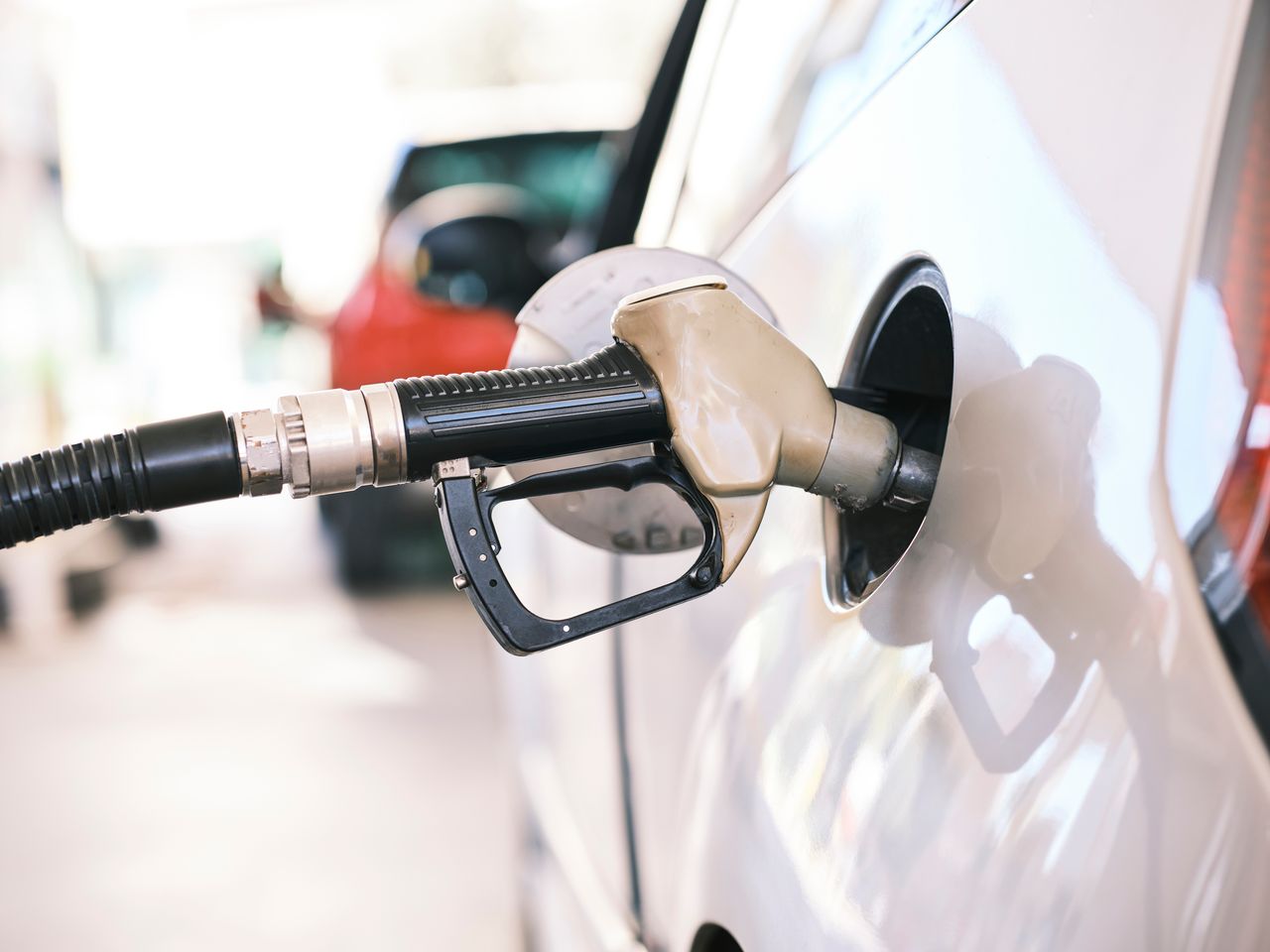
At the same time, gasoline and diesel were moving in different directions. Reuters reported that the national average gasoline price stood at $3.85 a gallon, while diesel had climbed 33 cents in a month to $5.32 a gallon, citing U.S. Energy Information Administration data.
For households and businesses, diesel was a separate strain. Reuters reported that U.S. diesel prices rose because of high global demand, low inventories and reduced output in Europe during refinery strikes in France. The United States uses about 3 million barrels of diesel a day, compared with about 9 million barrels of gasoline, according to federal data cited by Reuters.
Gasoline prices had started to retreat after refinery outages on the West Coast subsided and seasonal demand fell, Reuters reported. But that relief was uneven. Reuters said prices in California had risen by more than $1 a gallon in the prior month, while prices in Texas were lower than a month earlier. In the Midwest, Reuters reported, the BP-Cenovus Toledo refinery remained offline after a fatal explosion.
Earlier polling showed why fuel costs resonated so broadly. In a Reuters and Ipsos poll released March 11, 2022, 82% of Americans said they pay to fuel a vehicle, and 62% of those people said they had spent more than $51 on gasoline or diesel per week in the prior month. The poll found many people said alternatives such as public transportation, car-pooling or walking were not realistic options for them.
By early October, Reuters reported that inflation had become the No. 1 concern for voters, and 41% of registered voters said Republicans had the better approach to handling inflation, compared with 30% who chose Democrats. Political strategists quoted by Reuters from both parties said another jump in fuel prices could hurt Democratic candidates in the House and Senate.
Reuters reported that the OPEC+ production cut came less than five weeks before Election Day and pushed gasoline prices modestly higher after a period of decline. The national average price for gasoline reached $3.87 a gallon on Oct. 6, about six cents higher than two days earlier, according to AAA data cited by Reuters. Forecasters did not expect a return to summer highs, but Reuters said some Midwest and California markets were still dealing with refinery related disruptions.
What came next depended on global supply, refinery operations and the administration’s willingness to keep using federal tools to steady prices. Reuters reported that the 15 million barrel SPR sale would go out for bidding with December delivery, while Biden said more reserve releases remained possible if needed to stabilize the market before the winter heating season and after voters cast their ballots on Nov. 8.