

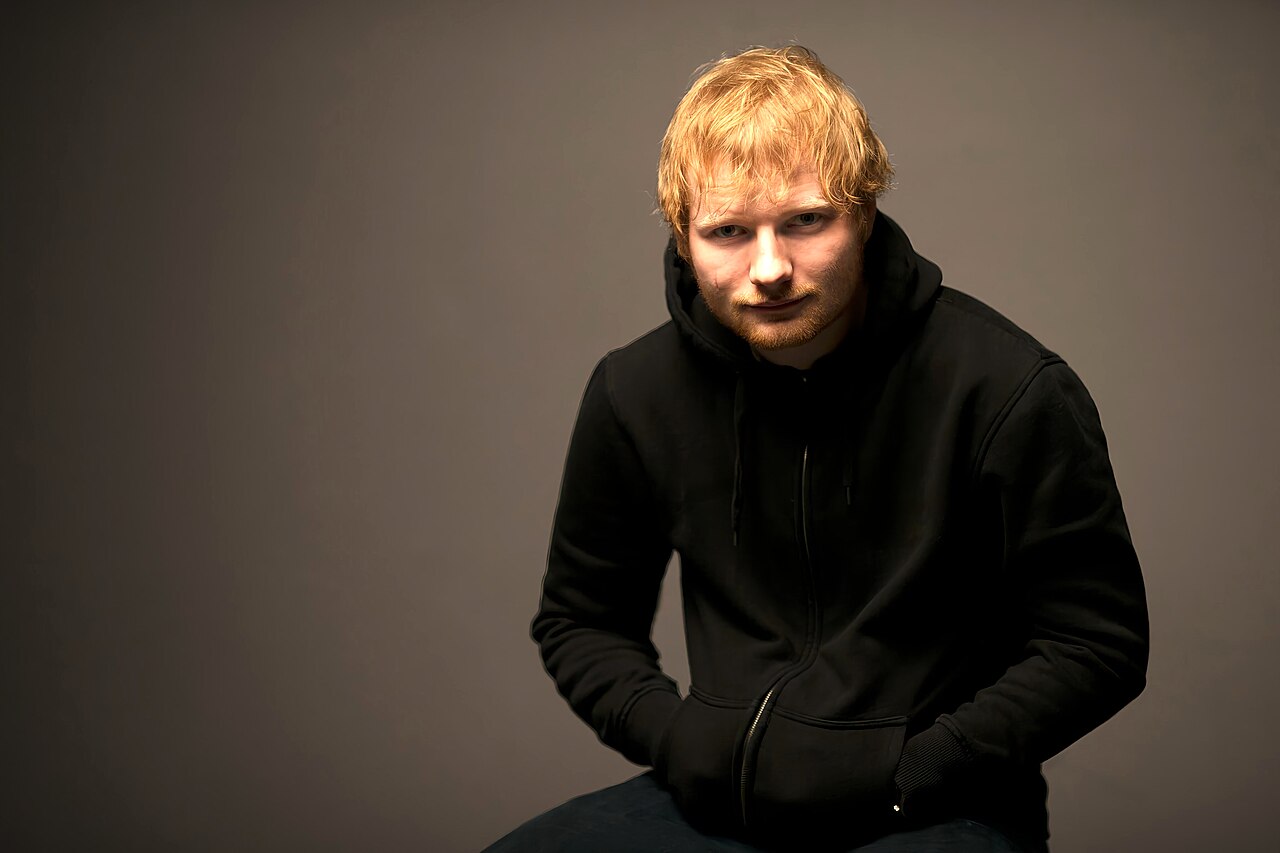
As music tours increasingly become flashpoints for political debate, artists and promoters are facing new scrutiny over what happens onstage and how they respond afterward. That dynamic sharpened around Ed Sheeran this week after his first public apology following the removal of Macklemore from the remaining U.S. dates of the Loop Tour. Fans focused not only on what Sheeran said in Philadelphia, but also on what he did not say.
Sheeran apologized onstage after Macklemore was dropped from eight remaining U.S. tour dates
Ed Sheeran addressed the controversy on Sept. 19 during his concert at Lincoln Financial Field in Philadelphia, according to Variety, marking his first performance since promoter Messina Touring Group removed Macklemore from the remaining dates of the U.S. Loop Tour. In remarks from the stage, Sheeran said he had made “difficult decisions,” that he was “making mistakes,” and that he was “so, so sorry.” He did not say Macklemore’s name during that apology, even though the dispute centered on the rapper’s exit from the tour.
The broader dispute had already been outlined earlier in the week. Variety reported that Macklemore was removed after his Sept. 4 and Sept. 5 performances at MetLife Stadium in New Jersey, where he used his opening set to speak about Gaza and the West Bank and said “Free Palestine.” Messina Touring Group stated that venues on upcoming dates had informed the promoter they would not allow shows with Macklemore on the lineup, and the company said cancellations could have affected hundreds of thousands of ticket holders.
Sheeran had previously issued a written statement on Sept. 16 saying Macklemore’s removal was “the promoter’s decision, it was not mine,” according to Variety. In that statement, he did mention Macklemore by name several times. The contrast between the written post and the later onstage apology became part of the public reaction, as fans noted that his Philadelphia remarks referred to the controversy in broader terms without naming the rapper directly.
The events that set off the dispute happened in East Rutherford, New Jersey, at MetLife Stadium, where Macklemore opened for Sheeran on Sept. 4 and 5, according to Variety. Those performances became the focal point because they were the shows where Macklemore delivered the political remarks that later triggered objections from some Jewish and pro-Israel groups and, ultimately, the promoter’s decision.
By the time Sheeran spoke again, the geography had shifted to Philadelphia. His Sept. 19 appearance at Lincoln Financial Field became the first live setting where he publicly apologized to concertgoers after the fallout. What is confirmed is that he addressed the audience directly and said he was sorry. What is not publicly known is whether the omission of Macklemore’s name was deliberate, advised by management, or simply part of a shorter stage statement. Sheeran has not publicly explained that specific choice.
The promoter has also not released a fuller account of which venues raised objections or whether each remaining stop took the same position. Variety reported only that upcoming venues communicated they would not allow Macklemore to remain on the bill. That left fans and industry observers parsing Sheeran’s language for clues about where responsibility rested and how much control he personally had.
Sheeran’s public comments show a consistent effort to separate his own role from the promoter’s decision while also apologizing for the fallout. In his Sept. 16 statement, reported by Variety, he said he had spent the week trying to “build bridges” with venues and activists on both sides. He also said he does not use his professional platform for politics because his concerts are meant to be about “unity, joy, escapism, love.”
That context helps explain why fans seized on the wording of the Philadelphia apology. Sheeran was speaking after a week in which Macklemore’s removal had expanded into a larger argument over free speech, artist responsibility and venue control. Variety also reported that Sheeran said he was “deeply worried” by the idea that venues could pre-approve performance content, even as he continued the tour without Macklemore.
For ticket holders, the immediate practical meaning was straightforward: the tour continued as scheduled, but without one of its announced support acts. For followers of the controversy, the larger takeaway was that Sheeran’s apology did not settle the issue. It instead opened a narrower debate over language, accountability and whether leaving out Macklemore’s name said something meaningful about how the singer wanted the episode understood.