

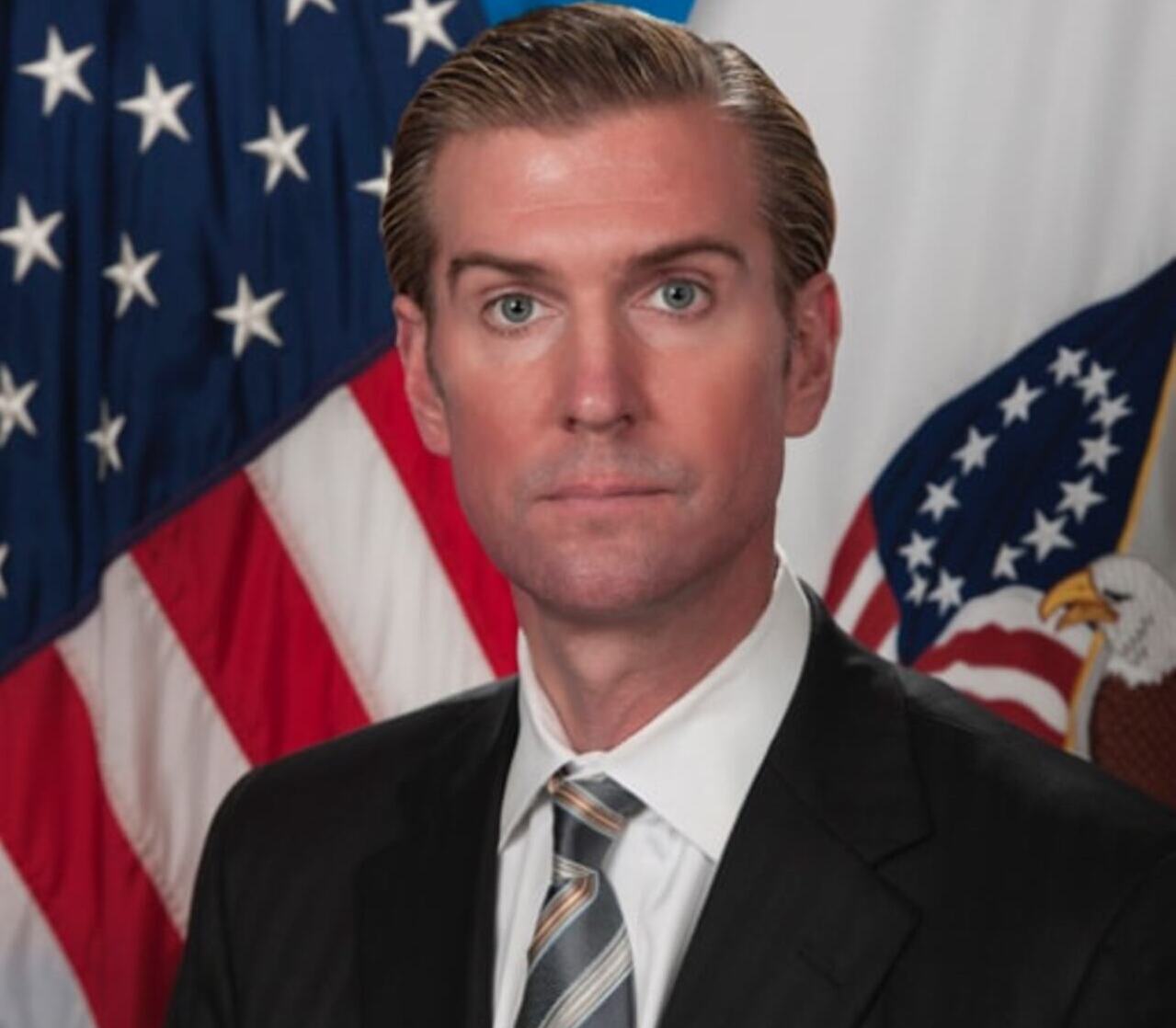
National security leadership has faced intense scrutiny in Washington in recent months as the Trump administration reshapes the federal government and military chain of command. That pressure sharpened on April 21, 2025, when former Pentagon spokesman John Ullyot, a onetime Trump-aligned communications adviser, publicly accused Defense Secretary Pete Hegseth of running a Pentagon consumed by dysfunction. His remarks landed as Hegseth confronted fallout from senior staff firings, leak inquiries and reporting about his use of Signal to discuss military operations.
Former Pentagon spokesman escalates criticism of Hegseth
John Ullyot, who had recently left his Pentagon post, said on April 20 in a Politico opinion article that the Defense Department was in “total chaos,” and Reuters reported the next day that he urged President Donald Trump to remove Hegseth. Reuters said Ullyot wrote that Hegseth was overseeing a “strange and baffling purge” that would leave him without two of his closest advisers, Dan Caldwell and Darin Selnick. The Reuters report also said the upheaval came less than 90 days after Hegseth was sworn in as defense secretary.
The criticism centered on a widening internal shakeup. Reuters reported that aides brought to the Pentagon by the Trump administration were dismissed after a leak investigation ordered by Hegseth’s chief of staff on March 21. Caldwell, described by Reuters as one of Hegseth’s most trusted advisers, was escorted out of the Pentagon and denied responsibility for leaks, while Selnick was also dismissed.
The same Reuters report said Hegseth had accused former aides of turning against him after revelations that sensitive U.S. military strike plans were texted from his personal phone to his wife, brother, attorney and others. CBS News separately reported that scrutiny over Signal intensified after reports that Hegseth shared details about impending U.S. airstrikes in Yemen in a private group chat that included family members and his personal attorney. Hegseth has denied wrongdoing and said criticism was coming from disgruntled former employees.
The immediate impact of the dispute is centered in Washington, D.C., where the Pentagon’s civilian leadership and military command structure are based. Reuters reported that the administration’s broader purge had reached top levels of military leadership, including the chairman of the Joint Chiefs of Staff, the top Navy admiral and senior military lawyers. That matters for the capital region because the Pentagon is not only the country’s defense headquarters but also one of the federal government’s largest and most influential institutions.
What remains unclear is how extensive the staffing disruption became across the department. Reuters cited unnamed U.S. officials who said the firings and leak-related removals had created a climate of uncertainty, but the Pentagon had not publicly released a full accounting of all personnel changes tied to the episode at that stage. The department also had not provided a comprehensive public explanation for how day-to-day management responsibilities were being reassigned.
Members of Congress added to the Washington fallout. CBS News reported that Sen. Jeanne Shaheen said Hegseth had “created chaos” at the Pentagon, while Senate Armed Services Committee Chairman Roger Wicker had already requested a bipartisan inspector general investigation into the earlier Signal chat leak. The White House, however, continued to back Hegseth, with Reuters reporting that Trump said the defense secretary was “doing a great job.”
The deeper cause of the crisis is a collision between leadership turmoil and security-related controversy. Reuters reported that Hegseth had moved quickly to reshape the Pentagon by firing top generals and admirals and by targeting diversity initiatives he said were discriminatory. According to Reuters, some officials inside the building said the confusion around the Pentagon’s leadership was beginning to erode its normal ability to function with routine policy guidance.
At the same time, the Signal disclosures became a second front in the controversy. CBS News reported that a bipartisan watchdog request followed earlier revelations that a journalist was inadvertently included in a group chat where the timing and targets of strikes on Houthi militants in Yemen were discussed. CBS also reported that the Pentagon had set up a way for Hegseth to check Signal messages from his office, though a Defense Department spokesperson denied there was current use of Signal inside the office.
For residents and readers following the story, the practical takeaway is that the dispute remains a Washington leadership crisis, not a change in any announced public-facing Pentagon service. What comes next is likely to be driven by the inspector general review, additional congressional scrutiny and any further staffing announcements. As of April 21, 2025, Trump and his aides were still publicly standing by Hegseth, even as criticism from former insiders and lawmakers continued to mount.