

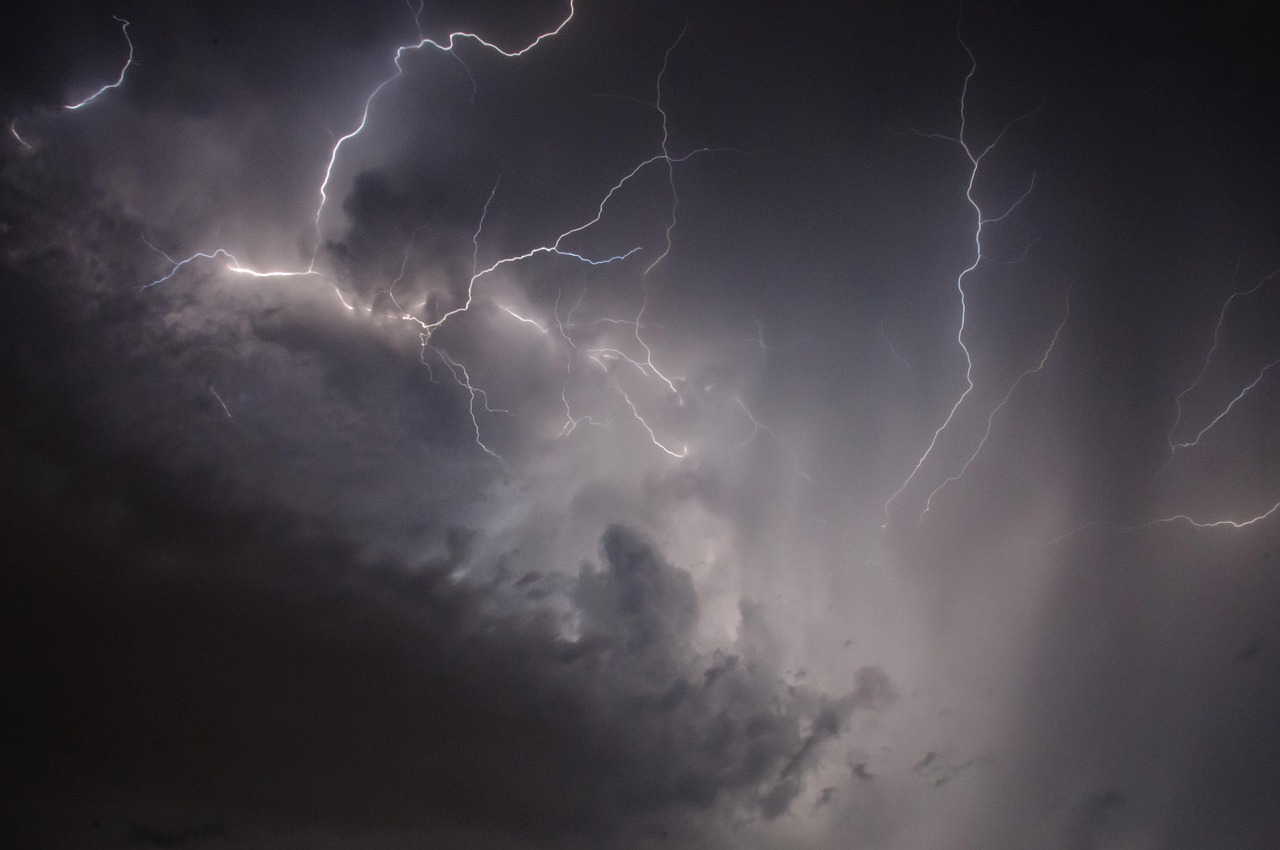
Texas is heading into the weekend under a familiar but increasingly dangerous pattern. What might look like just another rainy stretch is, in many communities, a growing flood threat with little room for error.
Why the flood threat is lasting longer than a single storm

The key reason the risk is continuing through the weekend is that Texas is not dealing with one fast-moving weather system. According to the National Weather Service’s Weather Prediction Center, repeated rounds of thunderstorms are expected to track over the same general areas, especially from eastern Texas toward the upper Texas coast. On Saturday, the center placed much of eastern Texas and western Louisiana under a Slight Risk, or level 2 out of 4, for excessive rainfall, then maintained a Slight Risk on Sunday from the upper Texas coast into southern Louisiana. That matters because flood risk rises sharply when storms arrive in clusters rather than in isolation.
Forecasters are also focused on the atmosphere itself, which is primed to produce efficient rainfall. The Weather Prediction Center described rich Gulf moisture surging northward into Texas, with moisture levels far above normal for late May. In plain terms, the air mass has an unusually deep supply of water available for storms to wring out. When thunderstorms form in that kind of environment, rainfall rates can become intense in a hurry, overwhelming drainage systems before creeks and bayous even have time to respond.
The setup is especially concerning because the ground in many parts of Texas is already wet. The Weather Prediction Center noted that multiple clusters of storms may repeatedly cross areas with saturated soils, increasing the flash flood threat on Saturday. Local and regional forecasters have echoed that concern. The Lower Colorado River Authority warned that each new round of rain would further saturate the ground and gradually raise the potential for both flash flooding and river flooding through Memorial Day weekend. In the Houston area, National Weather Service forecasts cited by Axios indicate the flood risk peaks on Saturday but continues through at least Monday.
This kind of event can feel deceptive at first. A single downpour may pass, conditions may briefly improve, and people may assume the worst is over. But persistent rainfall events often become most dangerous after several rounds of storms, when retention ponds fill, roadside ditches back up, and normally manageable rain begins to run off almost immediately. That is why forecasters are emphasizing duration as much as intensity. The weekend threat is not just about how hard it rains at one moment, but about how long Texas stays under a repeating, moisture-rich storm pattern.
Which parts of Texas are most exposed this weekend

The most consistently highlighted corridor runs across eastern Texas and then narrows toward the upper Texas coast as the weekend progresses. The Weather Prediction Center’s latest outlook places much of eastern Texas in the higher concern area for Saturday, while Sunday’s focus shifts more toward the coast, including the urban belt from Houston westward and eastward along the Gulf-facing corridor. That does not mean other areas are safe. It means those zones currently have the strongest overlap of deep moisture, repeated storm motion, and already saturated ground.
Central Texas remains part of the broader concern even when it sits outside the top-tier highlighted zone. The Lower Colorado River Authority said the Hill Country, Central Texas, and the middle Texas coast could see widespread seven-day rainfall totals of 5-7 inches, with some eastern counties of Central Texas projected to exceed 7 inches. Those are the kinds of accumulations that can turn low-water crossings hazardous, fill smaller rivers quickly, and create delayed flooding problems even after the heaviest storms move on. In Texas, dangerous flooding often develops not only in major metro areas but also in rural basins where runoff funnels rapidly into creeks and tributaries.
North Texas is also dealing with unsettled conditions. CBS Texas reported a level 2 out of 4 flood risk stretching from the Dallas-Fort Worth area toward Red River counties, showing how broad this active pattern has become. In practical terms, drivers in urban areas such as Dallas, Fort Worth, Austin, San Antonio, and Houston all face some version of the same hazard: roads that flood quickly, underpasses that collect water, and visibility that can collapse during heavy bursts of rain. The exact rainfall totals may vary, but the risk profile is statewide enough to keep emergency managers on edge.
Southeast Texas deserves special attention because of both geography and population density. Flat terrain, clay-heavy soils, sprawling pavement, bayou networks, and low-lying neighborhoods all make the region particularly sensitive to training thunderstorms. Axios reported that some parts of the Houston area could receive 4 to 6 inches of rain by Monday, with the greatest flood risk on Saturday. Even moderate forecast errors matter there. A storm cluster that stalls just a little longer than expected can produce street flooding, strand vehicles, and disrupt holiday travel plans across a very large metro area.
The broader message is that the threat map should not be read as a hard border. Flooding often occurs outside the officially highlighted areas, especially where local conditions are poor. Communities with recent rainfall, clogged drainage, construction runoff, or flood-prone roads can experience serious impacts from storms that might not seem exceptional on a statewide map.
What excessive rainfall risk actually means for everyday Texans

The phrase “excessive rainfall risk” can sound technical, but its meaning is practical. It does not simply mean rain is forecast. It means the rain could fall hard enough, fast enough, or often enough to produce flash flooding. The Weather Prediction Center’s Slight Risk category, currently posted for parts of Texas this weekend, signals a meaningful chance of scattered flash flood events. It is not the highest category, but it is serious enough that people in vulnerable areas should change plans, not just monitor conditions passively.
For drivers, this is often where the threat becomes most immediate. Texas flood fatalities frequently occur in vehicles, especially at night or during sudden bursts of rain when water depth is hard to judge. Roads that appear merely wet can hide swift-moving water, and familiar routes can become dangerous within minutes. During multi-day events, the risk also compounds because repeated rain weakens shoulders, floods frontage roads, and turns minor drainage channels into fast currents. A holiday weekend adds another layer, with more people on the road and more outdoor plans pushing travel into marginal conditions.
Homes and businesses face a different but equally important set of concerns. Urban flooding can push water into garages, ground-floor apartments, storefronts, and parking structures even when rivers stay within their banks. In neighborhoods with poor drainage, a few hours of intense rain may be enough to flood intersections and strand residents. In rural communities, the danger often shifts toward creeks, low crossings, and small rivers that rise quickly after upstream storms. Because the heaviest rain may not fall directly overhead, people can be caught off guard by runoff arriving from elsewhere in the watershed.
Agriculture sees mixed effects in a pattern like this. Rain can be beneficial after dry stretches, and parts of Texas have recently seen improvement in drought conditions. But excessive rainfall is different from productive rainfall. When fields remain saturated, planting schedules slip, roots suffer from poor oxygen exchange, and farm equipment cannot operate safely on muddy ground. Livestock operations also face stress from standing water, storm exposure, and difficult transport conditions. What helps one reservoir or pasture can damage another field if the rain comes too quickly.
The social impact is broader than floodwater alone. Weekend events get canceled, construction slows, airport and highway delays build, and first responders must shift from routine calls to water rescues and barricade enforcement. That is why meteorologists stress that flood risk is not just a weather story. It becomes a public safety story the moment rainfall starts repeatedly landing on saturated ground.
How forecasters are reading the pattern and what comes next

Meteorologists are paying close attention to the slow evolution of the upper-level pattern over the southern United States. The Weather Prediction Center said shortwave energy moving from northern Mexico into southern and eastern Texas is helping organize additional convection on Saturday. By Sunday, a slow-moving upper trough is expected to amplify as it shifts from eastern Texas toward the Lower Mississippi Valley, keeping the plume of above-normal moisture in place. This is exactly the kind of setup that can sustain repeated showers and thunderstorms instead of clearing the state quickly.
Forecast confidence is reasonably high in the broader idea of continued heavy rain, even if the exact placement of the worst totals remains uncertain. That distinction is important. Meteorologists often know a flood-favorable pattern is present before they can identify which county or watershed will take the heaviest hit. The Weather Prediction Center explicitly noted that there is still model spread in the rainfall details for Sunday, but enough signal exists for widespread moderate to heavy rain to justify keeping the Slight Risk in place along the upper Texas coast into southern Louisiana. In flood forecasting, uncertainty about location does not equal uncertainty about danger.
Beyond the weekend, forecasters are not signaling an immediate clean break. The Weather Prediction Center’s extended discussion on May 22 said heavy rain and thunderstorms are expected to continue across much of the Southern U.S. into next week. It also pointed to renewed heavy-rain potential in Texas and nearby areas, noting that recent rains have left the ground rather saturated. That means even if some communities dodge the worst weather over the holiday weekend, they may still face problems if the pattern reloads early next week.
This is one reason local forecasts will matter more than broad statewide summaries over the next 48 to 72 hours. A mesoscale convective system that forms in one location can shift the risk axis by tens of miles, changing who gets 1 inch and who gets 5. That is a huge difference when creeks are already elevated and soil moisture is high. Residents should expect forecast maps to update frequently, especially overnight and in the morning when new model data and observed storm trends come into focus.
The forecast message, then, is less about a dramatic one-day climax and more about a sustained period of elevated risk. Texas is in a pattern where atmosphere, ground conditions, and storm timing are all lining up in ways that support flash flooding. Until that pattern breaks, each new round of rain has the potential to matter more than the last.
What residents should do now to stay safe through the weekend

The most effective response begins before the heaviest rain arrives. Texans in flood-prone areas should check local forecasts several times a day, not just once in the morning. Watches and warnings may change quickly as storm clusters develop, especially after dark. Wireless emergency alerts, NOAA weather radios, and trusted local meteorologists all play a role because no single notification method is fail-safe. Forecasters in Houston and across the state are urging residents to have multiple ways to receive warnings, a recommendation that becomes especially important during overnight events.
Travel plans deserve a second look. If a route includes low-water crossings, frontage roads, bayou-adjacent streets, or rural creek crossings, drivers should identify alternatives in advance. The phrase “Turn Around, Don’t Drown” remains standard advice for a reason: water depth and road damage are difficult to judge from inside a vehicle, and moving water can sweep cars away at surprisingly shallow depths. Holiday weekends also mean more traffic and more visitors unfamiliar with local flood trouble spots, increasing the odds of preventable rescues if people rely on normal routines.
At home, simple preparation can reduce damage and stress. Residents should clear storm drains where it is safe to do so, move vehicles from flood-prone curbs or low parking areas, and secure outdoor items that can wash into drains and worsen street flooding. People living near creeks, bayous, or low-lying drainage channels should monitor water levels closely, especially if upstream communities are receiving heavy rain. Flooding can arrive with a lag, and waiting until water is already rising near the house may be too late to relocate vehicles, pets, or essential items.
Communities should also remember that flooding affects people unevenly. Apartment residents on ground floors, older adults, outdoor workers, and families without flexible transportation often face the greatest challenges. Employers, event organizers, and local officials can reduce harm by acting early rather than waiting for conditions to deteriorate. Canceling or delaying plans may feel inconvenient, but the cost of moving too late is far higher when roads begin closing and emergency crews are stretched thin.
The weekend forecast does not guarantee a worst-case outcome for every part of Texas. But it does present a credible, statewide pattern of elevated risk, with eastern and coastal sections under the sharpest scrutiny. In situations like this, the smartest approach is not alarmism or complacency. It is disciplined attention: watch the forecast, respect the water, and assume that repeated rain over already wet ground can become dangerous faster than it seems.