

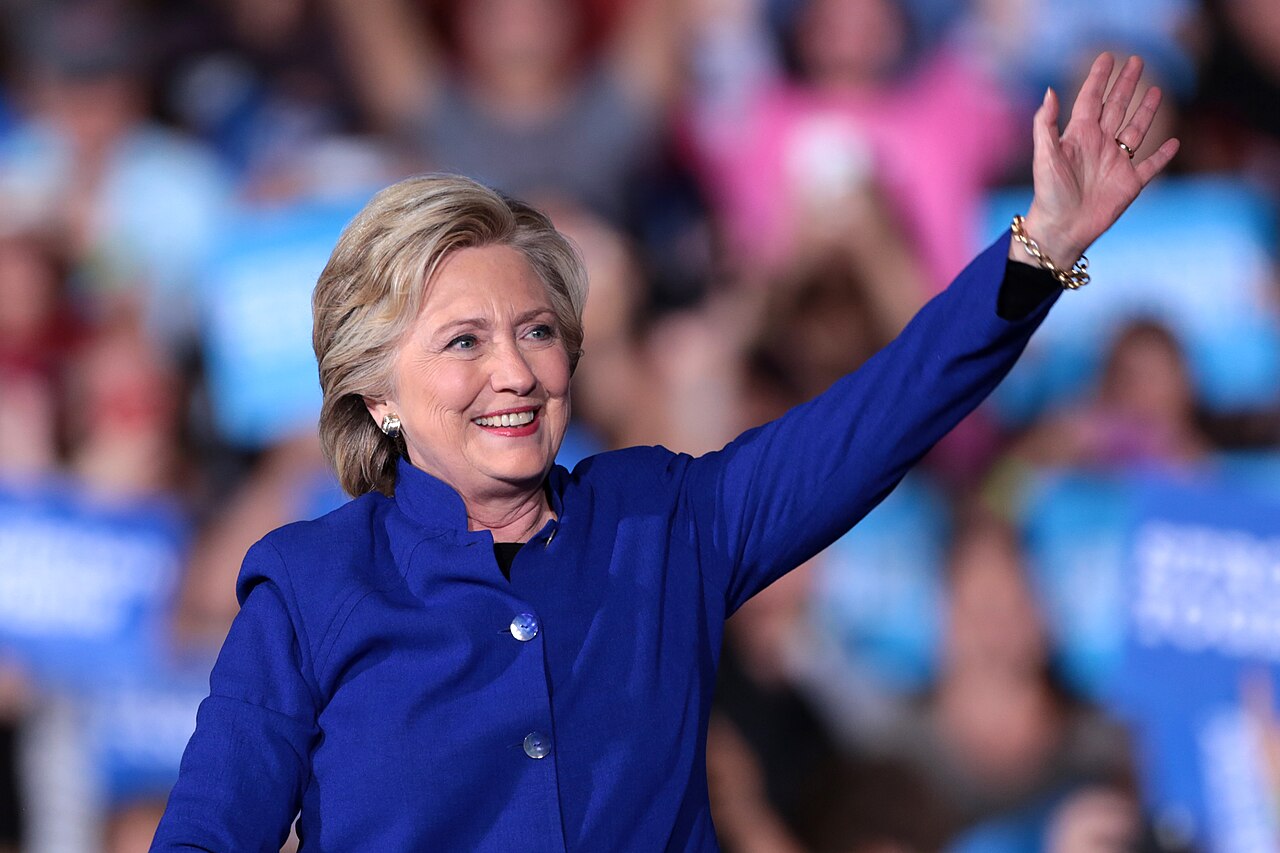
A quarter-century after the Sept. 11 attacks reshaped U.S. foreign policy and domestic security, national leaders used the 25th anniversary on Friday, September 11, 2026, to revisit questions about terrorism, intelligence and presidential priorities. Hillary Clinton brought that debate directly back to President Donald Trump, arguing in a televised interview that he appeared more focused on building a ballroom than on intelligence connected to Afghanistan. Her comments landed as the nation marked 25 years since the attacks that killed nearly 3,000 people and led to the U.S. war in Afghanistan.
Clinton’s remarks revive a national security clash
Clinton, the former secretary of state and former New York senator, said in an NBC News interview published September 11 that the United States has “let its guard down” on terrorism 25 years after 9/11, according to NBC’s report as reflected in the reference material provided for this article. In that interview, she criticized Trump’s priorities and said he cared more about his ballroom than about intelligence from Afghanistan, tying her argument to long-running concerns about how terrorism threats are monitored after the U.S. withdrawal from that war.
The scale of the anniversary gave the remarks wider attention. The Associated Press reported that Friday marked the 25th anniversary of the Sept. 11, 2001, attacks, which killed nearly 3,000 people in New York, at the Pentagon and in Pennsylvania. AP also noted that the attacks led to sweeping changes in intelligence gathering, homeland security policy and military operations, including the U.S.-led war in Afghanistan.
Trump was separately scheduled to attend a Pentagon ceremony on Friday, according to the Associated Press. In a proclamation issued ahead of the anniversary, AP reported, Trump said his administration remained committed to defending the nation with what he described as the strongest military in the world. Clinton’s criticism did not change any announced federal policy on Friday, but it sharpened the political contrast over how the threat environment should be described in 2026.
The direct government impact of Clinton’s remarks was not immediately measurable Friday. No new White House directive, intelligence policy shift or congressional action had been announced in response to her interview by the end of the day. The federal government also had not released any new public accounting tied specifically to the Afghanistan-related intelligence concerns Clinton referenced.
What is confirmed is that counterterrorism remains an active national security issue. ABC News reported this week that a top FBI official said the threat from terrorism remains serious 25 years after 9/11, even as the bureau says it is better postured now than in the years immediately after the attacks. That assessment suggests broad agreement inside government that terrorism risks persist, even when political figures disagree over whether the country has become less vigilant.
For Washington readers, the immediate significance is rhetorical and institutional rather than local in the traditional sense. Clinton’s comments put Afghanistan, intelligence briefings and presidential attention back into the policy conversation at a moment when the 9/11 anniversary has renewed scrutiny of what changed after 2001 and what may have faded since then. Federal agencies have not publicly detailed any new operational response linked to her remarks.
The context for Clinton’s criticism is the long arc of post-9/11 policy. The Associated Press reported that the attacks produced lasting changes in surveillance, banking regulation, intelligence collection and the creation of the Department of Homeland Security. They also led to the longest U.S. war, in Afghanistan, where successive administrations argued that American security depended in part on intelligence collection and disruption of terrorist networks.
That Afghanistan connection has remained politically charged for years. AP previously reported that Trump was aware of intelligence reports involving Russian bounties on U.S. troops in Afghanistan during his first term, while the White House at the time said he was not briefed because the intelligence lacked corroboration. Clinton’s latest criticism appears to draw on that broader record of debate over what presidents are told, what they prioritize and how intelligence is weighed before public action.
For readers, the practical takeaway is limited but clear: Clinton’s remarks do not by themselves alter security policy, but they add pressure to an already active debate over whether the U.S. still treats terrorism as a top national priority. With the country marking 25 years since 9/11 on September 11, 2026, officials and former officials are again publicly arguing over how much attention should be paid to threats tied to Afghanistan and beyond.