

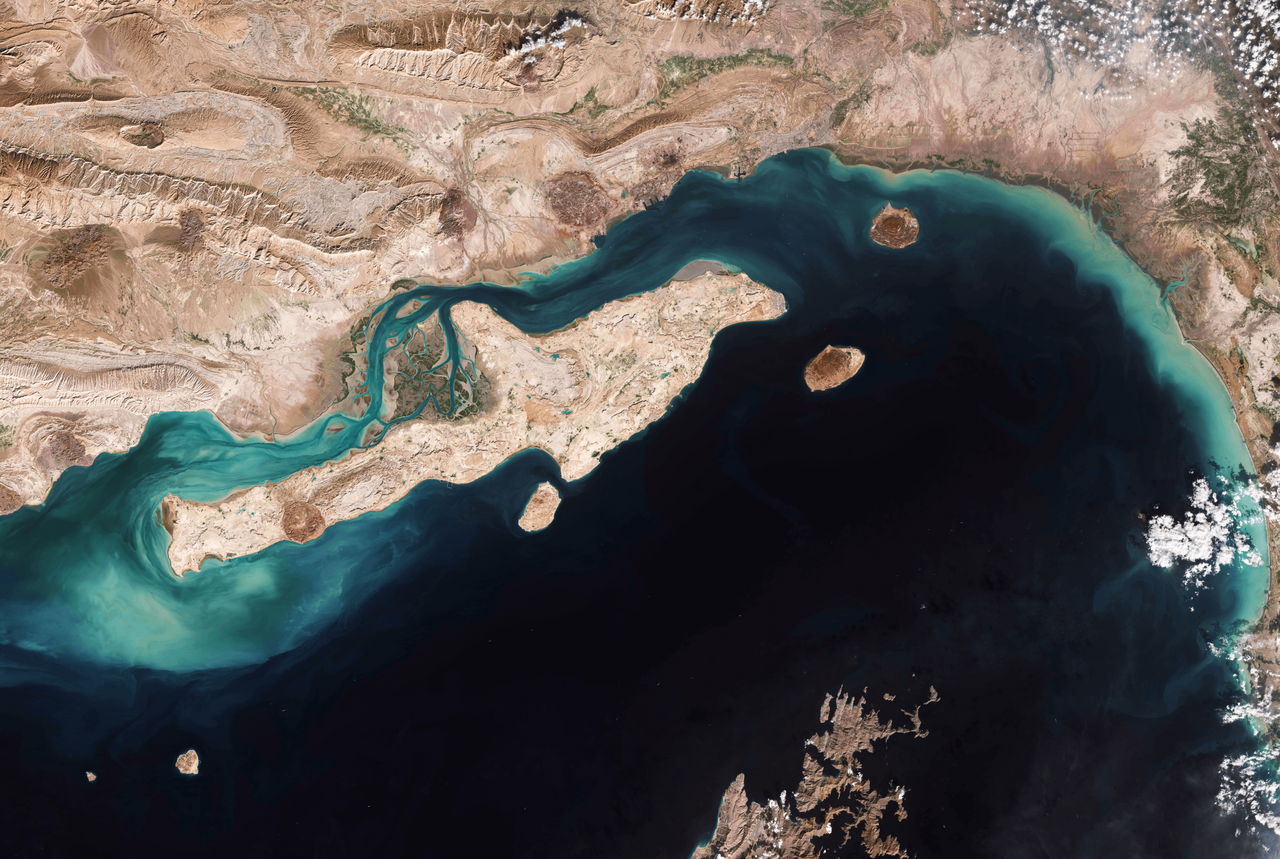
Tensions in the Middle East are again centering on the Strait of Hormuz, one of the world’s most important energy chokepoints. Iran has now publicly tied any reopening of the waterway to changes in U.S. policy and military posture in the region. The development matters well beyond the Gulf because disruptions there can quickly affect oil markets, shipping costs and fuel prices in the United States.
Iran ties reopening to U.S. demands
Iran’s Supreme National Security Council said on Saturday, August 8, that the Strait of Hormuz would not reopen until the United States “corrects its behavior,” according to reporting from The Associated Press. AP reported that Tehran’s stated demands include a permanent end to the war, the lifting of what Iran described as a naval blockade of its ports, and a U.S. military withdrawal from the area.
The scale of the dispute is global. The Strait of Hormuz is widely regarded as one of the world’s most critical shipping lanes for oil, and AP reported that the ongoing restrictions have become a central lever in Iran’s confrontation with Washington. Earlier international statements, including one published by the British government in March, described Iran’s actions as a direct threat to commercial shipping and global prosperity.
Iran has previously issued similar warnings through state-linked and semi-official outlets, but the August 8 statement marked a renewed and explicit condition for reopening. AP also reported that Iran has said ships attempting to transit without its permission could face attack, reinforcing the seriousness of the current standoff.
For U.S. readers, the immediate confirmed impact is economic uncertainty rather than any direct domestic restriction. Analysts and officials cited in AP coverage said a prolonged closure or effective closure of the strait can keep pressure on global oil prices, which in turn can filter into gasoline, diesel and goods transportation costs in the United States.
What is not yet known is how long the current impasse will last or whether a formal agreement will restore normal shipping quickly. AP reported that talks involving Oman have been under discussion, but a final resolution had not been announced as of the latest reports. No U.S. nationwide emergency fuel measure tied specifically to this latest Iranian statement had been publicly confirmed at the time of reporting.
The practical effect for Americans depends on energy markets and shipping patterns rather than local government action. AP noted that higher energy and freight costs could remain politically sensitive in the United States, especially as the strait’s status influences broader trade flows and consumer prices.
The current standoff is rooted in the wider U.S.-Iran conflict and Tehran’s effort to use maritime control as leverage in negotiations. AP reported that Iran is demanding not just a reopening framework, but broader concessions including sanctions relief, an end to military pressure and compensation-related conditions tied to the conflict.
Other reporting this year has described the Strait of Hormuz dispute as part of a longer pattern of escalation. A March joint statement published by the U.K. government condemned what it called the de facto closure of the strait and attacks or threats against commercial shipping, while congressional materials in the United States have highlighted the economic and security risks of any extended disruption.
For consumers and businesses, the most important near-term fact is that the route remains subject to political and military bargaining. Until a verified agreement is reached, the strait’s status is likely to remain a major factor in oil pricing, shipping risk calculations and U.S. economic planning.