

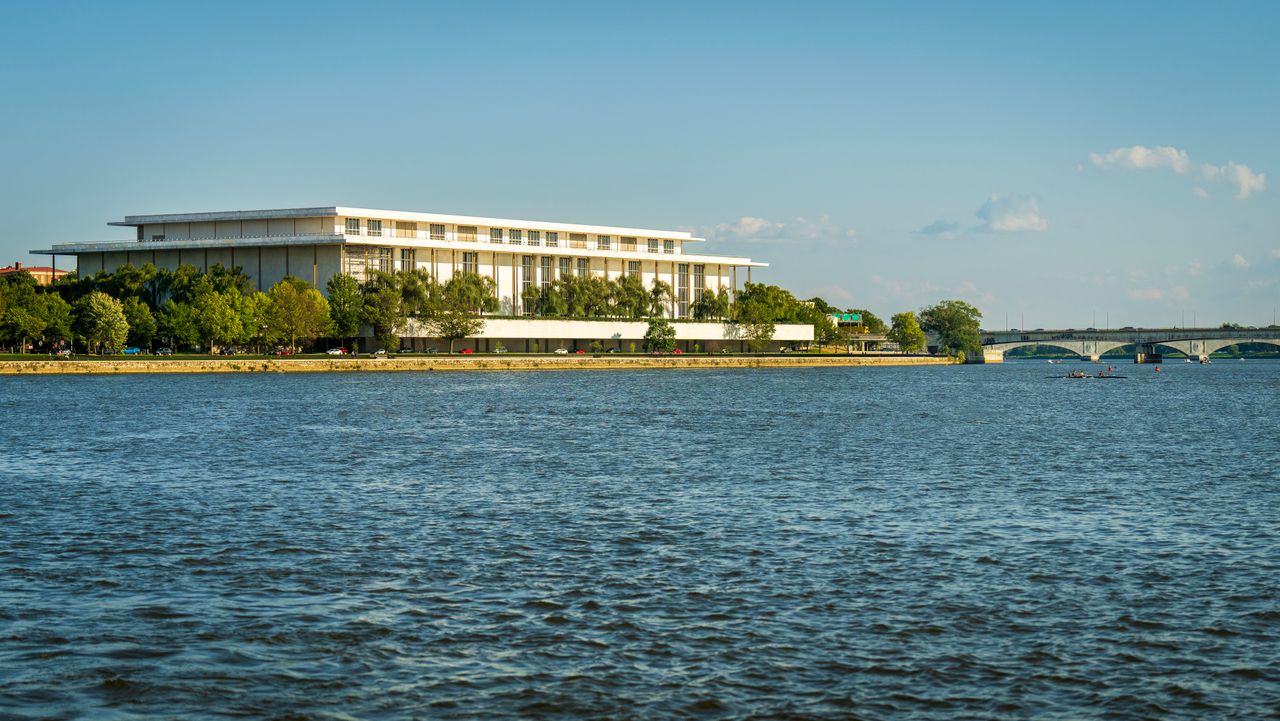
A federal court fight over the naming of major public landmarks has become a recurring flashpoint in Washington as the Trump administration tests the limits of executive influence over cultural institutions. That dispute sharpened on August 27, when the John F. Kennedy Center for the Performing Arts told a judge it would delay a renewed effort to place President Donald Trump’s name on the building until October 8. The venue on the Potomac, one of the capital’s best-known federal memorials, is again at the center of a case over whether its board can act without Congress.
Kennedy Center pauses a renewed naming effort after courtroom scrutiny
The Kennedy Center’s latest move came hours after U.S. District Judge Christopher Cooper questioned government lawyers during a hearing about why the board needed to move so quickly to restore Trump’s name to the facade, according to the Associated Press and Reuters. By late August 27, the administration informed the court that no new naming action would be taken before October 8, extending an earlier pledge not to proceed before September 8. The delay affects a plan approved by the center’s board on August 13.
That board action was significant because trustees voted 20-3 to again alter signage after Cooper ruled in May that an earlier naming change was unlawful, according to Reuters and court records. The revised plan would have placed Trump’s name on the facade while retaining the Kennedy name in the formal title. During the hearing, Cooper repeatedly asked what justified such speed while the court was still weighing whether the new approach also violated federal law.
The legal challenge was brought by Rep. Joyce Beatty of Ohio, a Kennedy Center trustee, who asked the court to block the latest naming effort. Her filing argued the board was attempting to sidestep the judge’s May 29 order, which directed removal of Trump’s name from the facade and other public branding, according to the D.C. Circuit order and prior court rulings.
For Washington, D.C., the delay means the Kennedy Center’s exterior will remain unchanged for at least several more weeks while the court reviews the dispute. What is confirmed is the new date: the administration told the court it will not proceed before October 8, according to the Associated Press. What is not yet known is whether Judge Cooper will issue a new injunction before then or whether the board will ultimately be allowed to revive any version of the Trump inscription.
The Kennedy Center has not released any public timetable for physical signage work beyond that court deadline. It also has not outlined whether other branding, wayfinding, or ceremonial elements tied to the August 13 vote would be affected if the facade change remains blocked. That leaves staff, patrons, and visitors without a public roadmap for how the naming dispute may affect the appearance of the campus this fall.
The issue carries unusual weight locally because the Kennedy Center is not only a performance venue but also a congressionally established living memorial to President John F. Kennedy. Any visible change to its facade becomes immediately public in the District, where the institution sits at the intersection of arts programming, federal symbolism, and presidential politics.
The core question is whether the Kennedy Center board can honor Trump on the building without an act of Congress. Cooper said in his May ruling that the center’s statute makes clear it is to be named for President Kennedy, and appellate records show the court ordered Trump’s name removed from the facade and related branding. That earlier decision set the legal framework now driving the latest round of arguments.
Justice Department lawyers have defended the renewed plan by arguing it differs from the earlier change and does not violate the prior order, according to Reuters and AP reporting. In recent court filings, government attorneys also argued that public recognition of Trump was tied to fundraising and renovation efforts, warning that the institution faced severe financial and physical challenges without a broader overhaul. Those arguments drew attention because they linked the naming fight to larger claims about the center’s long-term viability.
For residents and visitors, the practical takeaway is straightforward for now: the Kennedy Center’s name will not change again before October 8, and any further action depends on the court. The dispute remains active, with the judge still considering whether the board’s August vote can legally take effect. Until that ruling comes, the center remains open and the contested naming plan remains on hold.