

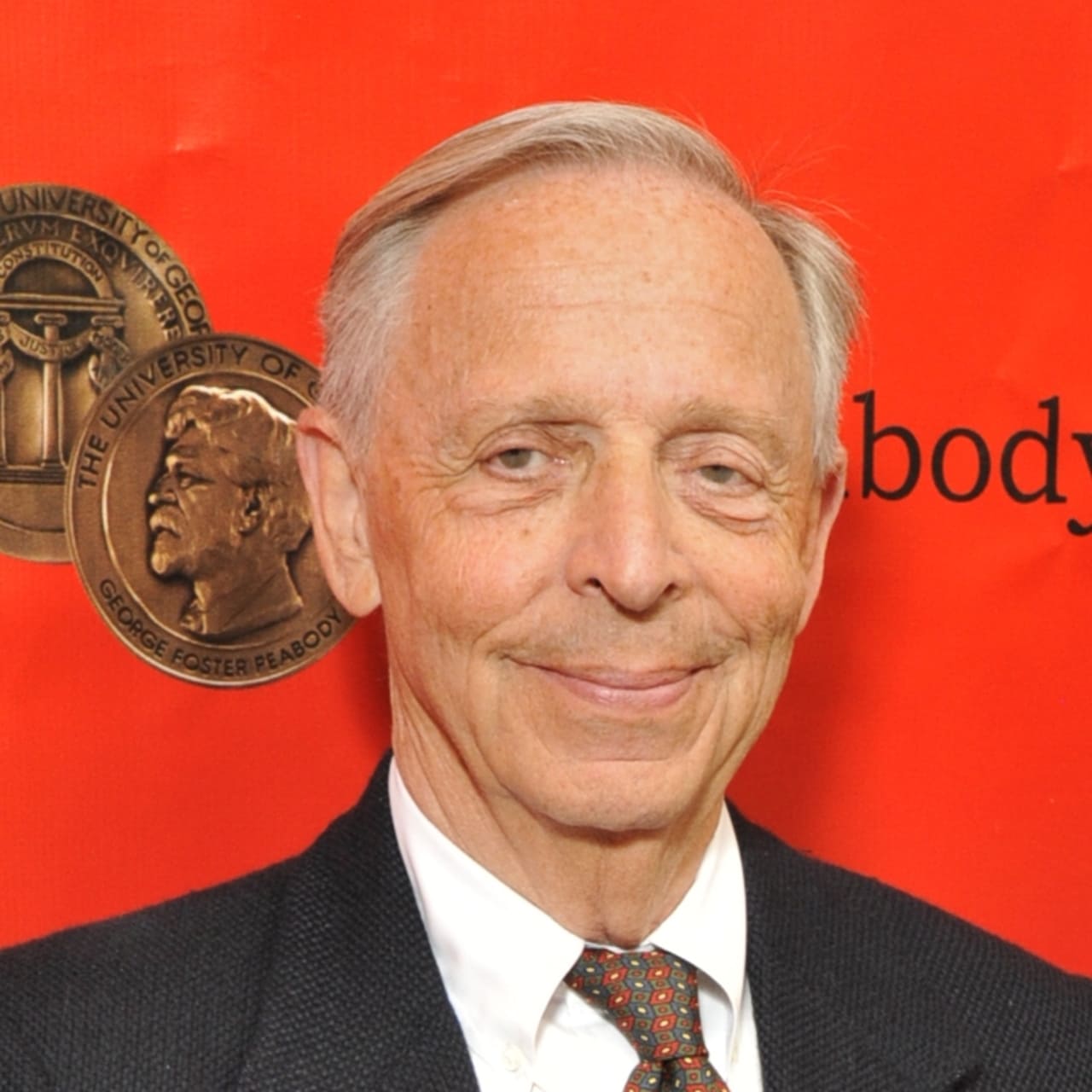
Late-night television has spent the past week looking back at the executives and producers who helped define the format long before streaming and social media reshaped how viewers watch comedy. Peter Lassally, the longtime producer and executive behind Johnny Carson, David Letterman and later Craig Ferguson, died July 19 at age 93, according to the Television Academy and multiple published reports. His death was reported out of Los Angeles, the city where much of network late-night television was built and where Lassally spent years helping shape its on-air tone.
Peter Lassally’s death closes a long career in late-night television
Peter Lassally, a former executive producer of The Tonight Show Starring Johnny Carson and a senior late-night executive at CBS, died on Sunday, July 19, at 93, according to the Television Academy and published reports including CBS News archive material updated after his death. The Television Academy’s biography says Lassally worked 23 years on Carson’s Tonight Show before moving on to David Letterman’s programs after Carson’s retirement. That career placed him at the center of two of the most influential franchises in American late-night television.
Lassally’s resume spanned several generations of the format. The Television Academy and entertainment trade coverage say he served as executive producer on Late Night with David Letterman, Late Show with David Letterman and later The Late Late Show during the Tom Snyder and Craig Ferguson years. NBC, in a statement carried by multiple outlets, described him as a trusted adviser when Carson and Letterman wanted direct feedback on their shows.
His death marks the loss of a behind-the-scenes figure who was better known inside television than in most households but whose work was visible in the structure of the genre. Trade reporting this week referred to him as a foundational producer in late night because of his role in booking, pacing and guiding hosts across decades of network television. At 93, he represented a direct link to the years when Carson’s Tonight Show set the standard for the entire business.
The confirmed geographic detail in the reporting is Los Angeles. Published accounts this week said Lassally died in Los Angeles, and one report said he died at a memory care facility there, though not every outlet included the same level of detail. No public family statement available in the initial round of reports provided a broader account of memorial plans or additional local arrangements.
For Southern California, Lassally’s death has particular resonance because his career was deeply tied to the region’s television production economy. Carson’s Tonight Show was produced in Burbank, and Lassally became part of the generation of producers who helped make greater Los Angeles the capital of network late-night programming. His work later extended to New York with Letterman, but his professional identity remained closely associated with the Southern California studio system that defined broadcast entertainment for decades.
What remains unclear is whether there will be a public memorial or a formal industry tribute in Los Angeles beyond the statements already released. The Television Academy published a remembrance, and media outlets reported reactions from broadcasters and entertainment figures, but a comprehensive list of planned public events had not been released as of Friday, July 24, 2026. That leaves the local impact, for now, centered on industry remembrance rather than any announced public gathering.
The context for Lassally’s career is the long dominance of broadcast late-night television in American culture. According to the Television Academy and archival reporting from CBS News, Lassally moved from being an NBC page to one of the key producers in the format, helping shape host-driven shows where timing, booking and editorial judgment mattered as much as the performer at the desk. His longevity reflected how much networks valued experienced producers who could translate a host’s instincts into a nightly broadcast.
Industry coverage this week pointed repeatedly to his role as an adviser, not only an administrator. Reports from The Wrap and other outlets described Lassally as a producer trusted by Carson and Letterman during transitions that changed the business, including Carson’s 1992 retirement and Letterman’s move into a larger franchise. Those moments mattered because late night was built around continuity, and executives who could manage change without disrupting the host’s voice were rare.
For viewers, Lassally’s death is less about an immediate change to today’s programming than about the closing of a chapter in television history. The producers and hosts who followed him inherited a format shaped in part by his decisions about talent, tone and structure. The industry’s response this week has framed him as one of the people who helped define what American late-night television became before the current era of fragmented audiences and digital clips.