

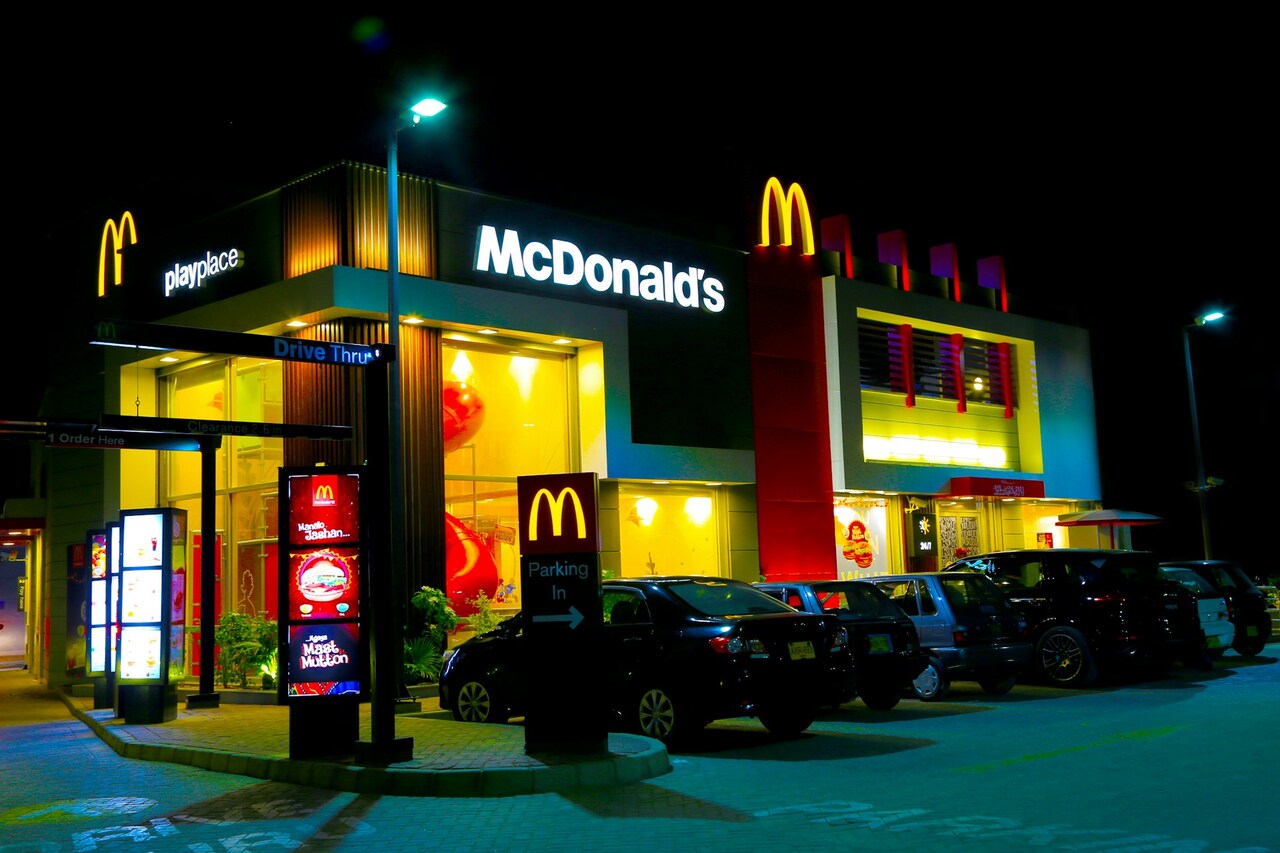
McDonald’s and Walmart are under renewed scrutiny as regulators and shoppers push harder on how new pricing technology could affect what people pay. The questions center on McDonald’s use of an AI-driven pricing system for franchisees and Walmart’s rapid rollout of digital shelf labels across its U.S. stores.
The pressure comes as the Federal Trade Commission moves toward a policy statement on personalized pricing, warning that companies may violate the law if they fail to tell consumers how personal data is used to set a price. That debate matters far beyond corporate headquarters because it touches everyday purchases, from burgers to groceries.
McDonald’s pricing system and Walmart’s shelf labels are drawing attention
Reuters reported on September 29 that McDonald’s is increasingly using artificial intelligence to guide menu prices across the United States and some international markets. According to Reuters, the company’s pricing engine analyzes data from millions of daily transactions across nearly 14,000 restaurants and generates what it calls an “optimal price” for each menu item at each location. Screenshots reviewed by Reuters showed prompts to franchisees that referenced “customer willingness to pay in your area.”
McDonald’s responded publicly on October 1. In a corporate post, the company said, “AI does not set the price of a Big Mac or any other menu item,” and added that “McDonald’s does not use dynamic pricing.” The company said restaurant owners make the final call on prices and described the technology as a tool that can help franchisees review local market conditions.
Walmart is facing a related but separate debate. The company said in March that roughly 2,300 Walmart U.S. locations were already using digital shelf labels and that it expected the technology to go chain-wide within the next year. Walmart has said the labels are meant to display accurate prices, reduce paper use and help workers update shelves faster.
For McDonald’s customers, the confirmed fact is that prices can vary by restaurant and that the company uses software to recommend prices at the store level. Reuters reported that the system does not appear to set personalized prices for individual diners or change them minute by minute. McDonald’s said it does not use dynamic pricing, a phrase that became politically charged after backlash to other fast-food pricing plans in 2024.
For Walmart shoppers, the confirmed fact is that digital labels are replacing paper tags at a growing number of stores. Walmart CEO John Furner said on September 25 that the company is not using personal information such as shopping history, income or “someone’s willingness to pay” to set prices, and said it would not do so in the future. Walmart’s corporate explanation of the system also says the labels do not track customers or collect personal data.
What remains unknown is whether future retail pricing tools across the industry will move closer to individualized pricing in stores. Neither McDonald’s nor Walmart has said its current in-store systems charge different customers different prices for the same item at the same moment. The scrutiny instead reflects concern about how far these tools could go, not proof that either company is secretly charging one shopper more than another today.
The FTC sharpened that debate on August 19, when it sought public comment on a proposed enforcement policy statement regarding personalized pricing. The agency said it does not have legal authority to ban personalized pricing in all circumstances, but warned that businesses could violate the FTC Act and other laws if they do not disclose how personal data is used to set prices.
The FTC’s proposed statement says consumers reasonably expect the shelf price in a store to be the same price offered to any other shopper in that store at that time. It also said hidden use of personal data in pricing could be material to consumer decisions because shoppers may change stores or decline a purchase if they know they are being targeted.
That is why McDonald’s and Walmart are drawing attention now. McDonald’s is defending an AI tool that helps franchisees decide what to charge. Walmart is defending digital shelf technology that can update prices quickly across thousands of stores. Both companies say they are not using personal data to set individualized in-store prices, but the federal policy fight suggests those assurances will face more scrutiny in the months ahead.