

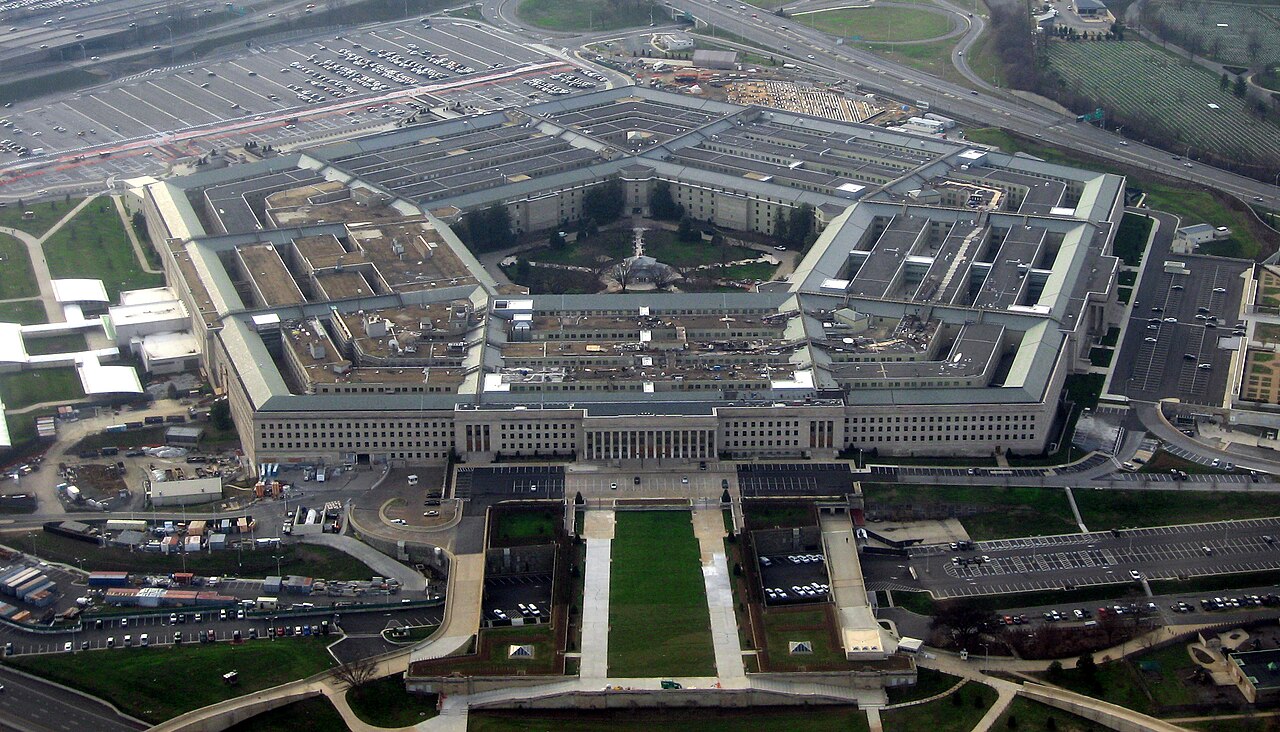
The Pentagon’s infrastructure problems are no longer a side issue in the broader debate over military spending. A new federal audit puts a number on the problem: $285 billion in deferred installation maintenance across a worldwide military property system that includes hundreds of thousands of facilities. The report ties that backlog directly to deteriorating living conditions for service members, including mold, broken air conditioning, and failing safety systems in barracks.
GAO puts the Pentagon’s maintenance gap at $285 billion
The U.S. Government Accountability Office reported on August 21, 2026, that the Department of Defense faces an estimated $285 billion installation maintenance backlog in fiscal 2025. According to GAO, the department’s real estate portfolio includes more than 700,000 facilities worldwide, many of them decades old and some dating to the Cold War. GAO said the backlog creates risks both for military missions and for the quality of life of the personnel who live and work on those installations.
The report documented what GAO described as chronically neglected barracks and other facilities. In examples cited by the audit, deteriorating conditions included suspected mold, broken fire systems, and damaged infrastructure caused by deferred maintenance. GAO also pointed to long-running disrepair at Minot Air Force Base in North Dakota and space limitations at the Marine Corps Air Ground Combat Center at Twentynine Palms, California, that affected maintenance operations.
The findings build on earlier GAO reviews of military housing and readiness. In a separate readiness report released earlier in 2026, GAO said poor barracks conditions, including broken central air conditioning and extreme temperatures, may pose serious risks to service members’ physical and mental health as well as their safety. That report tied housing conditions directly to readiness, giving the maintenance backlog consequences beyond appearance or comfort.
The Pentagon’s maintenance problem is national in scope, but its most direct effect is local, at the base level where service members live in barracks and rely on installation systems every day. GAO said some barracks have been allowed to deteriorate to the point that health and safety concerns are no longer isolated problems. The audit confirms broad categories of failures, but it does not provide a single public list of every affected building or installation across the country.
What is confirmed is that the backlog touches both living quarters and mission-support infrastructure. GAO said deteriorating conditions can affect housing, utility systems, maintenance shops, and other base facilities needed for daily operations. The report also said DOD does not consistently track work orders across installations, limiting its ability to prioritize repairs and giving Congress an incomplete picture of risks on the ground.
For military families and enlisted personnel, that means the consequences are often highly specific to a building or base. Some installations may be dealing with aging HVAC systems, roof leaks, or failing alarms, while others may face maintenance constraints that affect vehicle or equipment support. GAO did not release a comprehensive base-by-base ranking in the public summary, so the full extent of conditions at individual locations remains unclear from the public record now available.
GAO attributed the backlog to several structural factors rather than a single breakdown. First, the Defense Department has not requested full sustainment funding for the maintenance and improvement projects needed across its property portfolio. GAO said the Army, Navy, and Air Force requested roughly 80% of recommended sustainment funding, and none of the eight installation maintenance offices GAO reviewed said they had met the department’s 90% funding goal since at least fiscal 2021.
The report also found severe workforce shortages. At 10 joint bases GAO reviewed, facility management staffing levels were short by 68% to 97% of approved positions over the fiscal 2013 to fiscal 2023 period. Those shortages matter because military installations need skilled workers to diagnose, order parts for, and complete repairs, especially at older facilities in remote locations where recruitment and retention are harder.
A second GAO pattern is that the department has continued to invest heavily in new construction while older buildings age. GAO reported previously that DOD spent an average of $14.6 billion annually over five years on new military facilities, even as approved repair and construction projects went unfunded. The practical meaning for residents is not that every barracks will fail at once, but that aging buildings, limited staffing, and incomplete funding are now established conditions in the system. GAO recommended that DOD improve oversight, staffing data, and work-order tracking as the backlog continues to grow.