

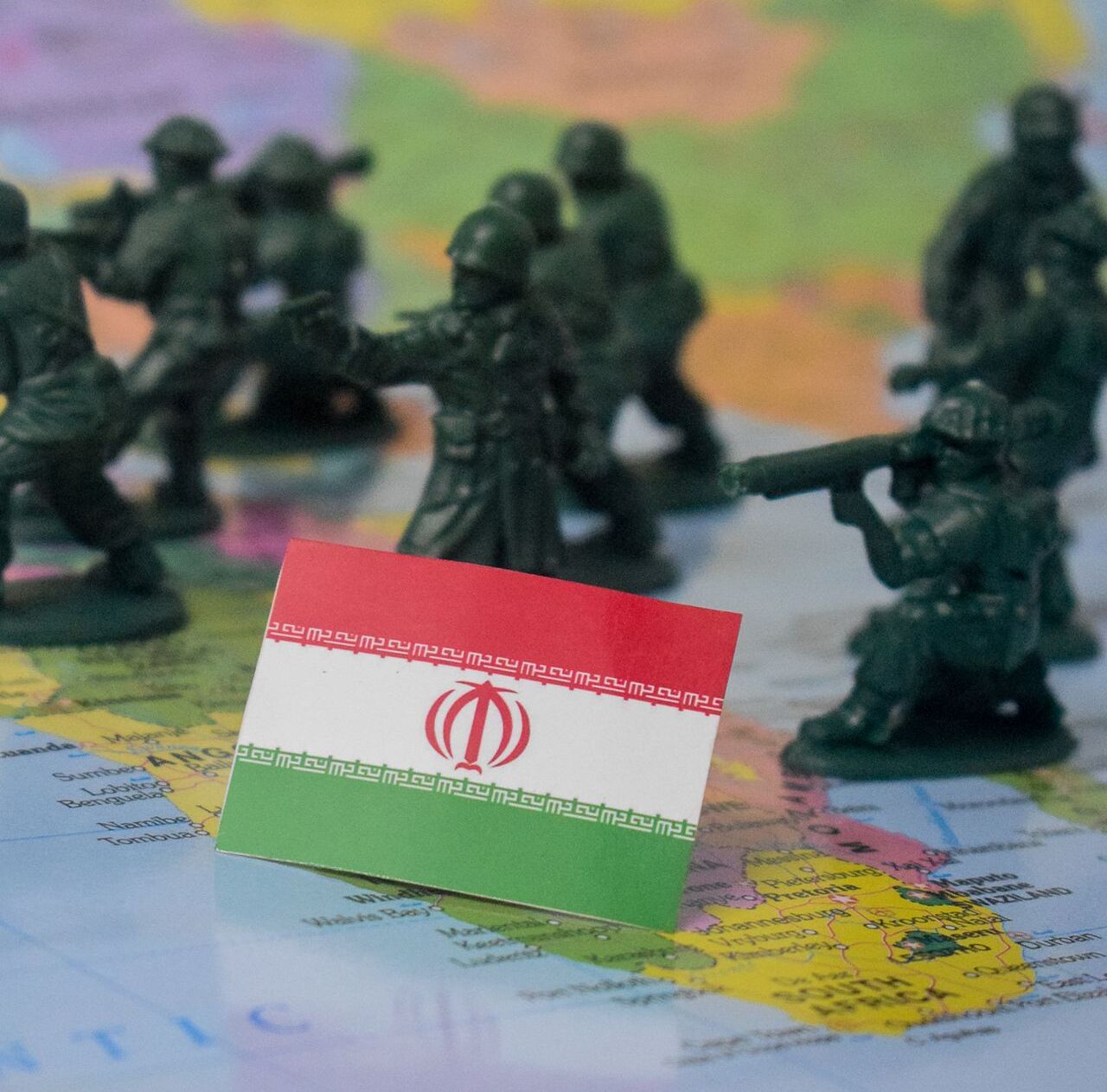
Economic unease and foreign policy concerns are converging for U.S. voters in 2026 as inflation, fuel costs and military engagement remain central political issues. A new Reuters/Ipsos poll found that 69% of Americans are dissatisfied with the economy, while concern about war and foreign conflicts has climbed alongside the Iran conflict. The findings land as the Iran war entered its sixth day, underscoring how quickly overseas fighting can shape views at home.
Reuters/Ipsos poll shows broad dissatisfaction as war concerns rise
The Reuters/Ipsos survey, released March 24, found that Americans now rank the economy and foreign conflicts as the country’s top two concerns, according to Ipsos. In that polling, 69% of Americans expressed dissatisfaction with the economy, a measure that aligns with broader pessimism Ipsos has tracked through the spring and summer. The survey was conducted March 20 through March 23 using Ipsos’ probability-based KnowledgePanel, giving it national scope.
Ipsos said 16% of respondents named the economy, unemployment and jobs as the most important problem facing the country, while 14% cited war and foreign conflicts. That marked a sharp increase in concern about war from February, when only 1% named it as the top national problem, according to the same polling summary. The poll was released as U.S. military action involving Iran was dominating national political attention.
Other polling in 2026 has pointed in the same direction. Ipsos reported in late April that 61% of Americans said the national economy was on the wrong track, and in May it said 74% believed their cost of living was on the wrong track. Together, those surveys show sustained frustration with household finances even as the specific wording of questions varies from poll to poll.
The new Reuters/Ipsos findings measure national opinion, not the experience of any single state or metro area. That means the poll confirms broad U.S. dissatisfaction with economic conditions, but it does not provide a state-by-state breakdown of where those concerns are most severe. Ipsos has not released a comprehensive list showing how voters in each state are responding to the economy or the Iran conflict in this survey.
What is confirmed is that economic pressure is being felt across common household expenses. Ipsos reported in May that 64% of Americans said recent gas-price increases had affected their household finances, and 83% expected gas prices to continue rising over the following month. That matters because fuel prices can affect commuting, shipping and everyday purchasing patterns in both urban and rural communities.
Other national surveys have also tied the war more directly to public concerns about prices. A Washington Post/Ipsos poll released in July found Americans remained pessimistic about the economy and skeptical that negotiations tied to Iran would lower gas prices. For residents, the practical impact is clearest in the costs they see regularly, even if the latest Reuters/Ipsos release does not isolate local markets.
Ipsos has attributed much of the public frustration to persistent cost-of-living pressure. In its March and May releases, the firm said the economy, unemployment and jobs remained the issue Americans were most likely to identify as the country’s top problem. It also found that inflation remained a major personal concern, with many Americans rejecting the idea that the economy was performing strongly.
The Iran conflict has added another layer to those concerns. Ipsos reported in May that 86% of Americans said the conflict with Iran bore at least some responsibility for recent rises in gasoline prices. In a separate July Reuters/Ipsos poll, a majority of Americans also disapproved of U.S. military strikes in Iran and said the administration had not clearly explained its goals.
For consumers and residents, that combination means economic attitudes are being shaped by both domestic costs and overseas instability. The latest polling does not show immediate relief in either area. What it does show is that, as the war entered its sixth day in the period referenced by the survey, Americans were already linking national security developments abroad with the price pressures they face at home.