

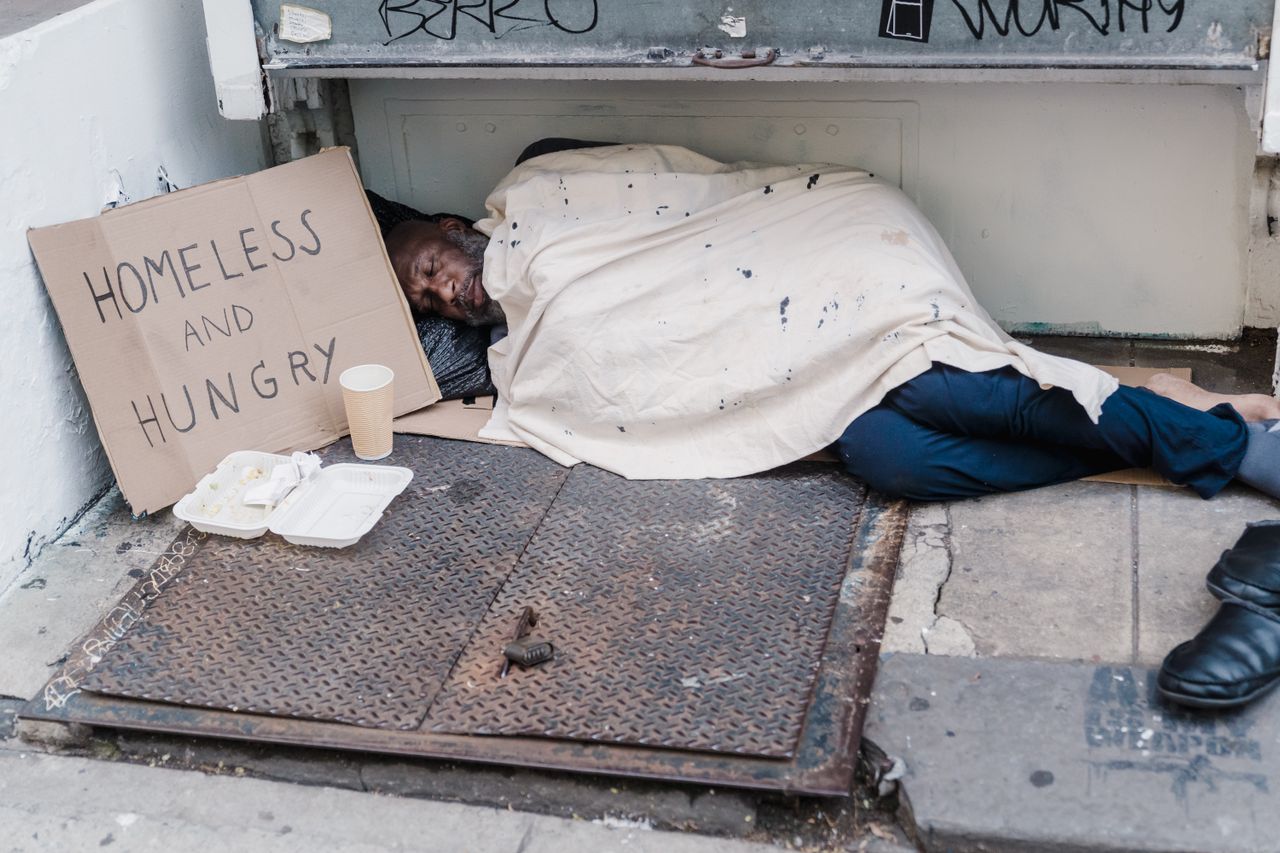
California remains at the center of the nation’s homelessness crisis, with a disproportionate share of both the country’s homeless and unsheltered populations. A new University of California, San Francisco analysis is drawing attention because it challenges a widely repeated assumption about who is homeless in the state and why. The findings focus on California and suggest that regular illicit drug use, while significant, does not describe most unhoused adults.
UCSF study puts a number on a widely debated question
The new analysis comes from UC San Francisco’s Benioff Homelessness and Housing Initiative, which released findings showing that about 37% of adults experiencing homelessness in California reported regular illicit drug use in the previous six months. UCSF said the estimate comes from the California Statewide Study of People Experiencing Homelessness, a representative survey of more than 3,200 adults conducted from October 2021 through November 2022. The related study was published in JAMA, and UCSF described the work as the largest representative study of homelessness in the United States since the mid-1990s.
Researchers defined regular use as illicit substance use three or more times a week in the prior six months. According to the JAMA study and UCSF’s summary, methamphetamine was the most commonly reported drug at roughly 33%, followed by opioids at about 10% and cocaine at about 3%. The report also found a history of overdose and unmet treatment need among many respondents who did use drugs regularly.
The data does not suggest substance use is absent from the homelessness crisis. Instead, the finding has drawn attention because it indicates a majority of unhoused adults in California did not report regular illicit drug use during that period. UCSF researcher Margot Kushel said in the university’s release that drug use can increase the risk of homelessness, while homelessness itself can also intensify drug use as a coping response.
For California, the study adds detail to a long-running political and public debate over whether homelessness is primarily driven by addiction. What is confirmed is that regular illicit drug use was reported by a substantial minority, not a majority, of unhoused adults surveyed statewide. The broader California Statewide Study of People Experiencing Homelessness has also found that the state’s housing affordability crisis plays a major role in pushing people into homelessness, according to UCSF.
The statewide scope matters because California accounts for an outsized share of the nation’s homeless population. UCSF’s earlier statewide report said more than 171,000 people experience homelessness daily in California, and that the state contains roughly 30% of the nation’s homeless population and about half of its unsheltered population. Those figures help explain why findings from California often shape the national discussion.
At the same time, the study does not settle every question about local conditions. The researchers reported statewide estimates, but they did not release a city-by-city or county-by-county breakdown in the material summarizing the 37% finding. That means the study does not show whether regular drug use rates differ in places such as Los Angeles, San Francisco, Sacramento or inland counties, and it does not identify every local factor behind regional variation.
The broader body of UCSF research tied to the survey points to homelessness as a problem rooted in more than one cause. In its 2023 statewide report, UCSF said many participants became homeless after economic shocks, unsafe living situations, institutional exits and sustained housing instability. The researchers said the results confirmed that many Californians experience homelessness because they cannot afford housing, while trauma and behavioral health challenges often deepen the crisis once it begins.
The newer behavioral health findings add another layer. UCSF reported that nearly half of people experiencing homelessness in California had complex behavioral health needs, including regular drug use, heavy drinking, hallucinations or recent psychiatric hospitalization. The report also said many people who wanted substance use treatment were unable to get it during their current episode of homelessness.
For California residents, the practical takeaway is narrower than the politics around the issue. The study confirms that addiction is a serious part of the homelessness landscape, but it does not support treating regular illicit drug use as the defining characteristic of most unhoused adults in the state. Researchers said the findings support a response centered on housing access, treatment availability and prevention, with UCSF stating that reducing barriers to care and helping people return to housing remain key parts of the solution.