

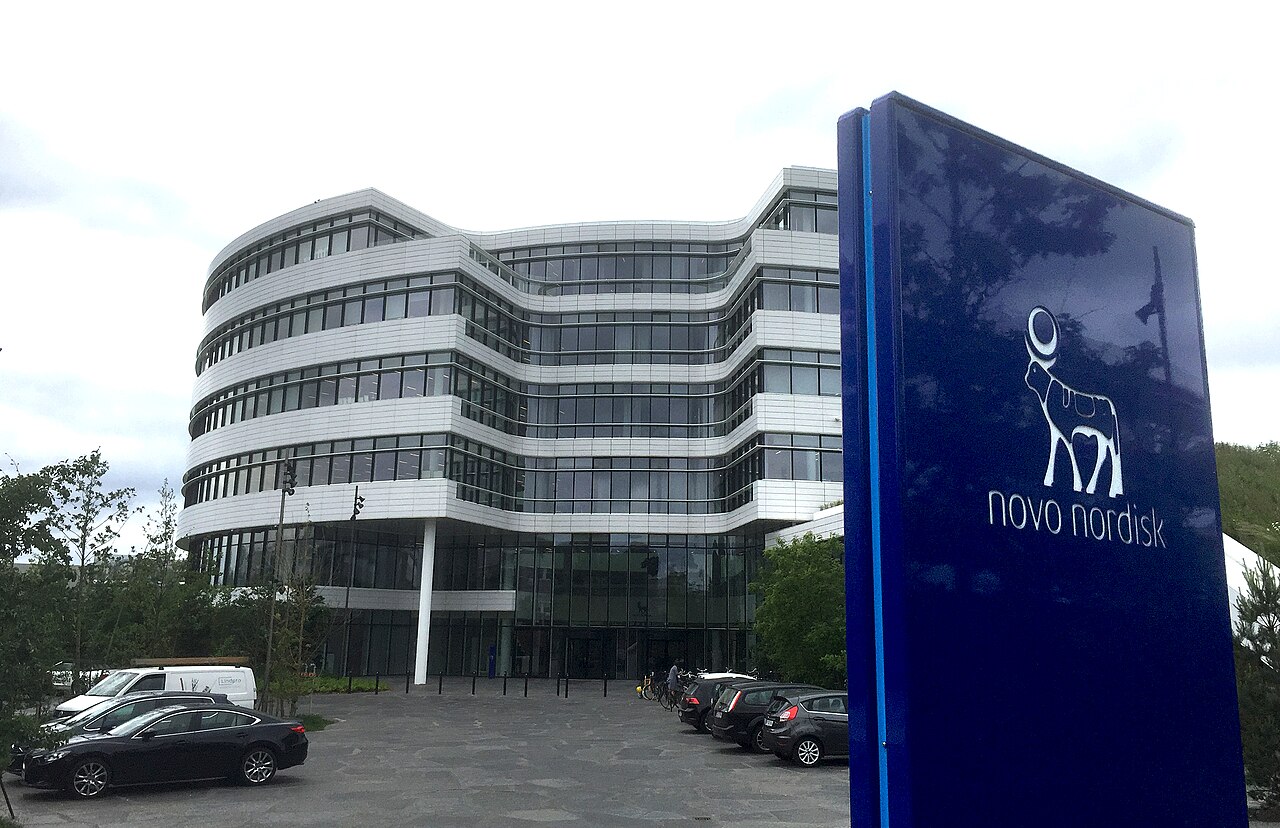
Drugmakers are increasingly turning to artificial intelligence as they look for faster ways to identify promising compounds, process research data and move potential treatments through development. Novo Nordisk, the Danish company best known in the U.S. for Ozempic and Wegovy, said on September 16 that it has entered a new partnership with Anthropic centered on those goals.
Novo Nordisk and Anthropic formalize a new AI partnership
Novo Nordisk and Anthropic announced the collaboration on September 16, with Novo saying the agreement is designed to help accelerate the development of new medicines and expand AI-driven software development, according to the company’s statement. Reuters also reported that Novo will initially test Anthropic’s Claude models and Claude Science in research and development workflows tied to drug discovery and development. The companies did not disclose a dollar value for the arrangement.
The deal pairs one of the world’s largest obesity and diabetes drugmakers with a major U.S. artificial intelligence company whose Claude models are already being marketed for scientific and enterprise use. Novo said the work will focus on scientific problems where the companies’ joint capabilities could have the greatest impact. Anthropic has separately described life sciences as a priority area for its models, including applications tied to research analysis and scientific reasoning.
Novo’s announcement places the partnership within a broader strategy to become what it called the world’s most AI-driven healthcare company. That framing matters because the Anthropic deal is not an isolated pilot. It follows other AI-focused agreements disclosed by Novo this year, including partnerships involving OpenAI and Amazon Web Services, both of which the company has said are intended to help compress research timelines and improve how complex scientific data is used across the business.
For U.S. readers, the immediate impact is clearer at the corporate strategy level than at the local facility level. Novo Nordisk has confirmed the Anthropic partnership as a global collaboration, but it has not released a state-by-state breakdown of which U.S. labs, offices or development teams will use the tools first. The company also has not publicly identified a specific American site where the rollout will begin.
That leaves several details unconfirmed, including whether the earliest work will be concentrated in research hubs overseas, in U.S. commercial and development operations, or across multiple regions at once. The public statements also do not specify how many Novo employees will use Claude initially, how quickly the tools will be deployed internally, or which therapeutic programs beyond broad drug discovery and development work could be involved first.
What is confirmed is that the medicines at the center of Novo’s brand recognition in the United States, including Ozempic and Wegovy, have made the company a high-profile player in obesity and diabetes care, giving any technology shift at Novo outsized visibility in the American market. The partnership does not announce a new drug, a clinical trial result or a manufacturing expansion in any U.S. state. At this stage, it is a research and software collaboration, with public details focused on workflow acceleration rather than customer-facing changes.
The main driver is speed. Novo said the collaboration is meant to help accelerate the development of new medicines, while Reuters reported the companies plan to apply Claude to research and development workflows where AI could have the greatest effect. In practical terms, that points to work such as analyzing large scientific datasets, surfacing patterns faster and reducing manual work in software and research processes that can slow early-stage development.
The agreement also fits a broader industry trend. Large pharmaceutical companies have been investing in generative AI, machine learning and cloud partnerships as they face pressure to improve productivity, shorten timelines and manage increasingly complex biological and clinical data. Novo’s own recent sequence of AI partnerships suggests the company is building a multi-partner approach rather than relying on a single platform for every task across discovery, development and operations.
For patients and consumers, there is no immediate announced change to how Ozempic, Wegovy or other Novo medicines are prescribed, sold or supplied. The practical takeaway is longer term: the company is investing in tools it says could help it develop future medicines more efficiently. Novo’s statement presents the Anthropic partnership as part of a continuing push to expand AI inside the company, indicating more research-focused deployments may follow as that strategy develops.