

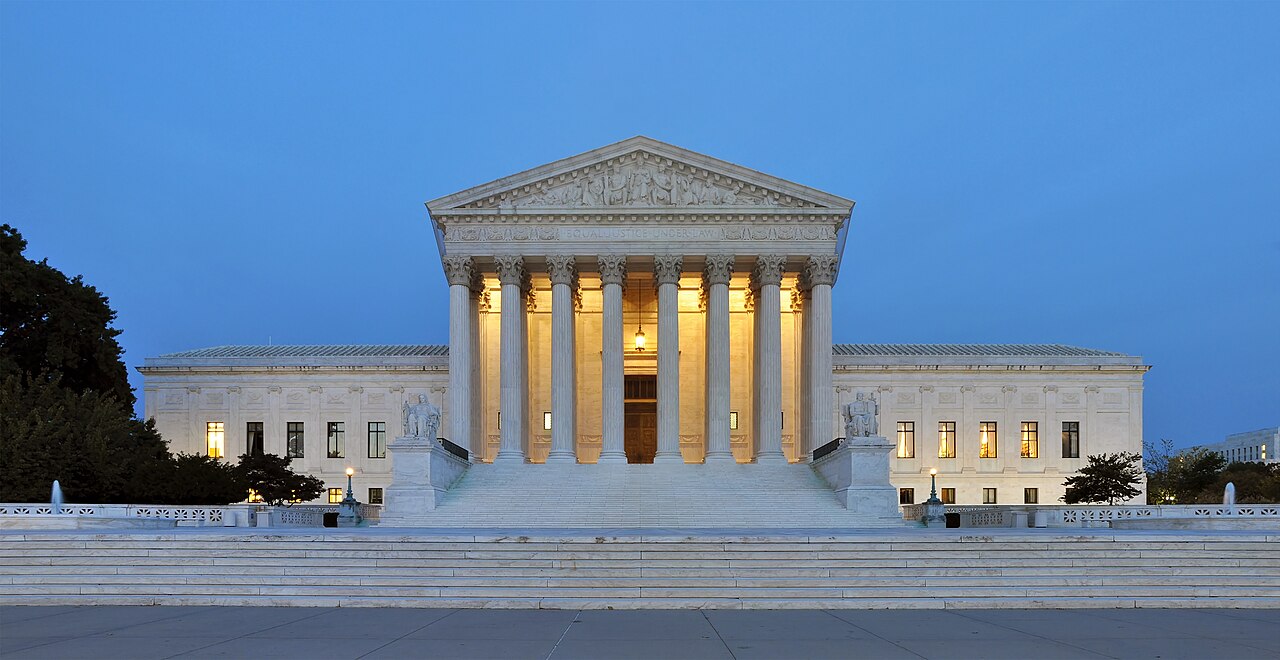
The Supreme Court’s latest election ruling arrives as federal and state officials are already preparing for the November 3, 2026 midterms, with mail voting set to begin in some states within weeks. On August 24, the court handed President Donald Trump a procedural victory by allowing parts of his administration’s mail-voting order to move forward. But the decision is narrower than many headlines suggest, because the justices did not settle whether the administration can legally change how states run mail ballot systems.
What the Supreme Court actually did
The Supreme Court, in a 6-3 unsigned order issued Monday, August 24, allowed the Trump administration to move ahead with implementing parts of Executive Order 14399 after concluding that 23 Democratic-led states and the District of Columbia sued too early, according to the court’s order and reporting from CBS News and the Associated Press. The justices said the order itself did not yet injure the states, meaning the district court lacked jurisdiction to block agencies from trying to carry it out. That procedural point is central to the ruling.
The decision lifted a lower-court injunction that had barred enforcement of sections involving the Department of Homeland Security and the U.S. Postal Service in those 23 states for the 2026 election cycle, according to the Supreme Court filing. Justice Sonia Sotomayor, joined by Justice Elena Kagan, wrote in dissent that the ruling only postponed the legal fight and did not resolve whether the president’s directives are lawful. The court itself said future government measures could still be challenged.
Trump signed the executive order in March 2026, directing DHS to compile state citizenship lists and instructing USPS to develop new standards for federal mail ballot handling, according to the White House order. The administration argued that agencies were still engaged in future policymaking, and Solicitor General D. John Sauer told the court the states were challenging hypothetical harms rather than final agency action. That argument, not the underlying legality of the mail-voting plan, is what won the day at the high court.
For states that sued, the immediate effect is real but limited. The Supreme Court’s order allows the administration to resume work on implementing parts of the executive order in those 23 states and the District of Columbia, but it does not require states to immediately change voting procedures, according to AP’s coverage of the ruling. That distinction matters because election officials are still waiting to see what federal agencies actually do next.
The uncertainty is even greater because another order from U.S. District Judge Indira Talwani remains in place in a separate case brought by voting-rights groups, Reuters reported. That order blocks the administration from implementing provisions directing the Postal Service to create new procedures for mail ballots for the upcoming elections. AP reported Tuesday that the Postal Service changes may not take effect for the midterms at all, leaving open the possibility that no voter sees a direct procedural change before ballots are mailed.
What is not yet known is which states, if any, will face new operational requirements in time for November. The Postal Service has published a final rule tied to the order, and AP reported it would require states to submit voter data to obtain ballot delivery services under the new system. But a comprehensive, court-cleared rollout across all affected states has not been publicly confirmed, and ongoing litigation could still alter the timeline.
The broader context is a legal clash over who controls election administration. Judge Talwani ruled in June that the Constitution gives states, not the president, authority over voter eligibility rules, according to Reuters and CBS News. The Supreme Court did not reject that reasoning on the merits this week. Instead, it said the particular lawsuit arrived before the agencies had taken sufficiently final action.
That means states can still sue again once specific policies are finalized and enforced. The Supreme Court expressly noted that its order does not mean future implementation measures will necessarily be lawful, and the D.C. Circuit reached a similar conclusion in a separate challenge by Democratic groups, saying plaintiffs could seek relief if agencies later act unlawfully, according to CBS News. In practical terms, the administration gained room to proceed, not a definitive judicial endorsement.
For voters and local election offices, the most important fact is that the legal landscape remains unsettled less than 90 days before Election Day. Mail voting remains available under existing state systems unless and until final federal actions survive court review, and AP reported that major changes may still be too late for this year’s midterms. The ruling opened a path for the administration, but it did not hand Washington full control over how states conduct mail voting.