

President Donald Trump’s decision to insert the United States into Israel’s war with Iran reshaped Washington almost immediately. In the capital, the conflict did more than trigger a foreign policy debate: it fractured the usual partisan alignments over military force, congressional authority and the political risks of another Middle East war. What began with a June 21, 2025 strike abroad has become a prolonged fight at home over who gets to authorize war.
Trump’s Iran strike set off the break in Washington
The split began on June 21, 2025, when Trump said U.S. forces struck three Iranian nuclear sites, including Fordow, Natanz and Isfahan, directly joining Israel’s campaign, according to Reuters and the Associated Press. The strike immediately expanded the conflict from an Israeli-Iranian war into a U.S. military action with global consequences. It also created a new legal and political test for Congress under the War Powers Resolution.
Within hours, lawmakers were dividing in ways that cut across normal party lines. The Associated Press reported that top Republican leaders were briefed before the operation, while Democratic leaders received limited notice and some key intelligence lawmakers said they learned of the strikes only after they happened. That process became part of the dispute, with Democrats arguing that the administration had sidestepped Congress and some Republicans questioning whether the White House had gone too far.
The early resistance was not limited to one party. AP reported that Rep. Thomas Massie, a Kentucky Republican, joined Democratic Rep. Ro Khanna in backing a House war powers resolution, while Sen. Tim Kaine, a Virginia Democrat, moved a Senate measure directing the removal of U.S. forces from hostilities not authorized by Congress. The immediate result was a rare coalition of progressive Democrats and non-interventionist Republicans pressing the same constitutional argument.
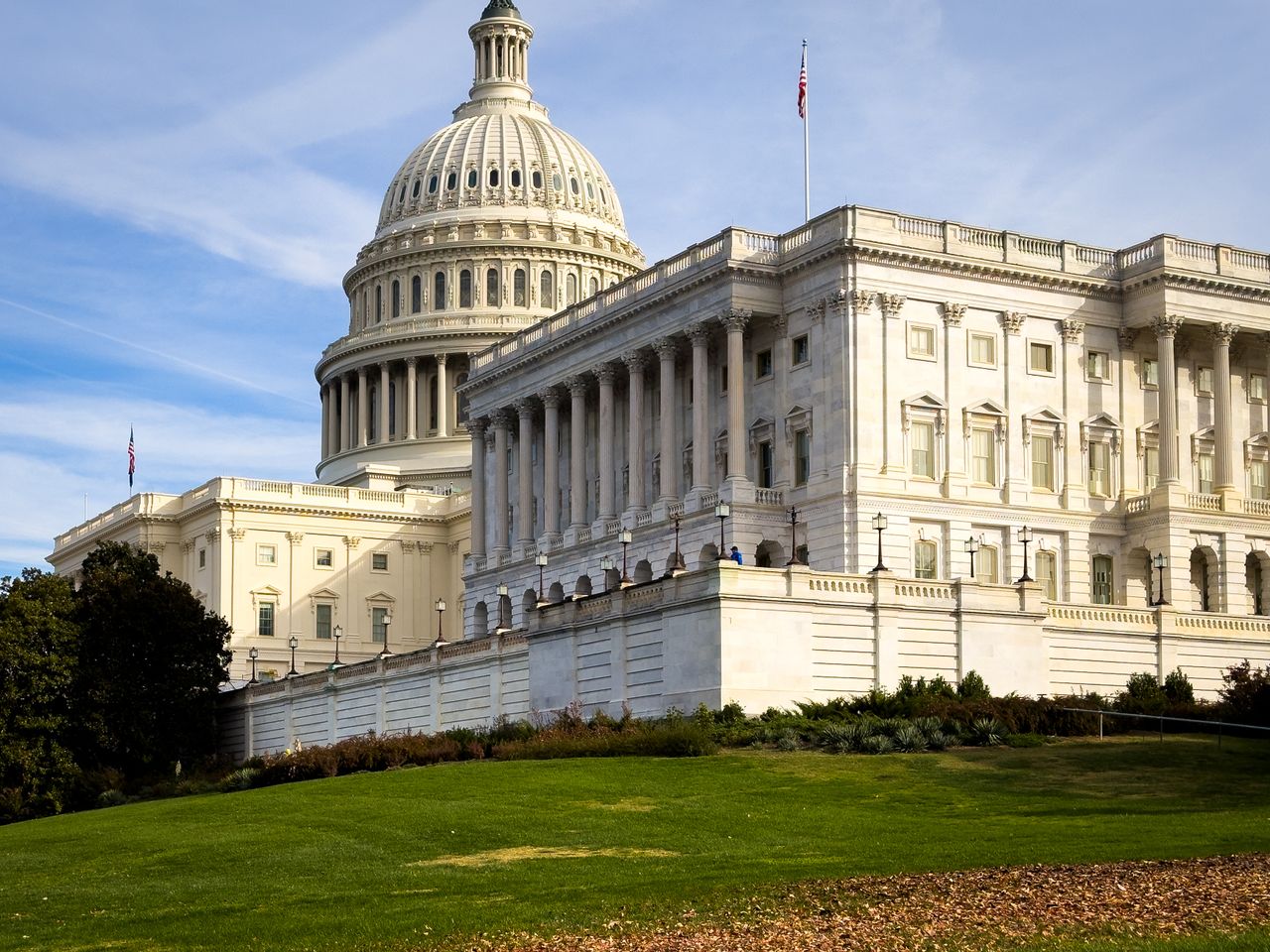
Washington, D.C., rather than a single state, is where the political effects have been most visible because the conflict moved almost instantly into congressional procedure, leadership disputes and war powers votes. What is confirmed is that the war repeatedly forced the House and Senate to take up measures aimed at restraining Trump’s military campaign. What remains uncertain is whether Congress will ultimately authorize a longer conflict, block funding, or continue passing largely symbolic rebukes.
By May 21, 2026, House Republicans called off a vote on a war powers resolution when leaders appeared short of the numbers needed to defeat it, according to AP. The report said that was a sign of slipping support for the war inside the GOP after more than two months of conflict. AP also reported that lawmakers tied the political pressure to disruptions in the Strait of Hormuz and higher U.S. gas prices, moving the issue beyond foreign policy and into domestic affordability concerns.
The Senate showed the same instability. On June 25, 2026, AP reported that Senate Republicans rejected a war powers resolution after Trump personally berated GOP senators over earlier opposition to his war policy. The final vote failed 47-50-1, but the episode demonstrated that some Republicans were willing to oppose the president before later reversing course. Congress has not approved a broad new authorization for the war, and lawmakers have continued to argue over whether the administration’s legal rationale is sufficient.
The underlying cause of the split is not only Iran itself, but the collision between presidential military authority and congressional war powers. AP reported after the initial June 2025 strikes that Trump acted without fully consulting Congress, reviving a long-running constitutional dispute over how far a president can go without explicit authorization. Lawmakers opposing the campaign have repeatedly pointed to the War Powers Resolution of 1973 and its limits on extended hostilities.
A second cause is ideological rather than procedural. AP reported that opposition to the Iran campaign brought together the far left and far right, especially lawmakers who have long argued against open-ended U.S. military involvement in the Middle East. That coalition has included Democrats warning of escalation and Republicans such as Massie and Rand Paul who say voters are tired of “endless wars.” Their overlap is unusual in today’s Congress and explains why the conflict has produced a less predictable map of support.
The third driver is political risk. AP reported in May 2026 that frustration with the war grew as the Strait of Hormuz stalemate disrupted shipping and elevated gasoline prices in the United States. For residents, that means the debate in Washington is no longer only about foreign policy doctrine; it is also about whether the war affects everyday costs, military commitments and the scope of presidential power. For now, the practical reality is that the conflict has turned Iran into both a battlefield issue overseas and a defining institutional fight in Washington.