

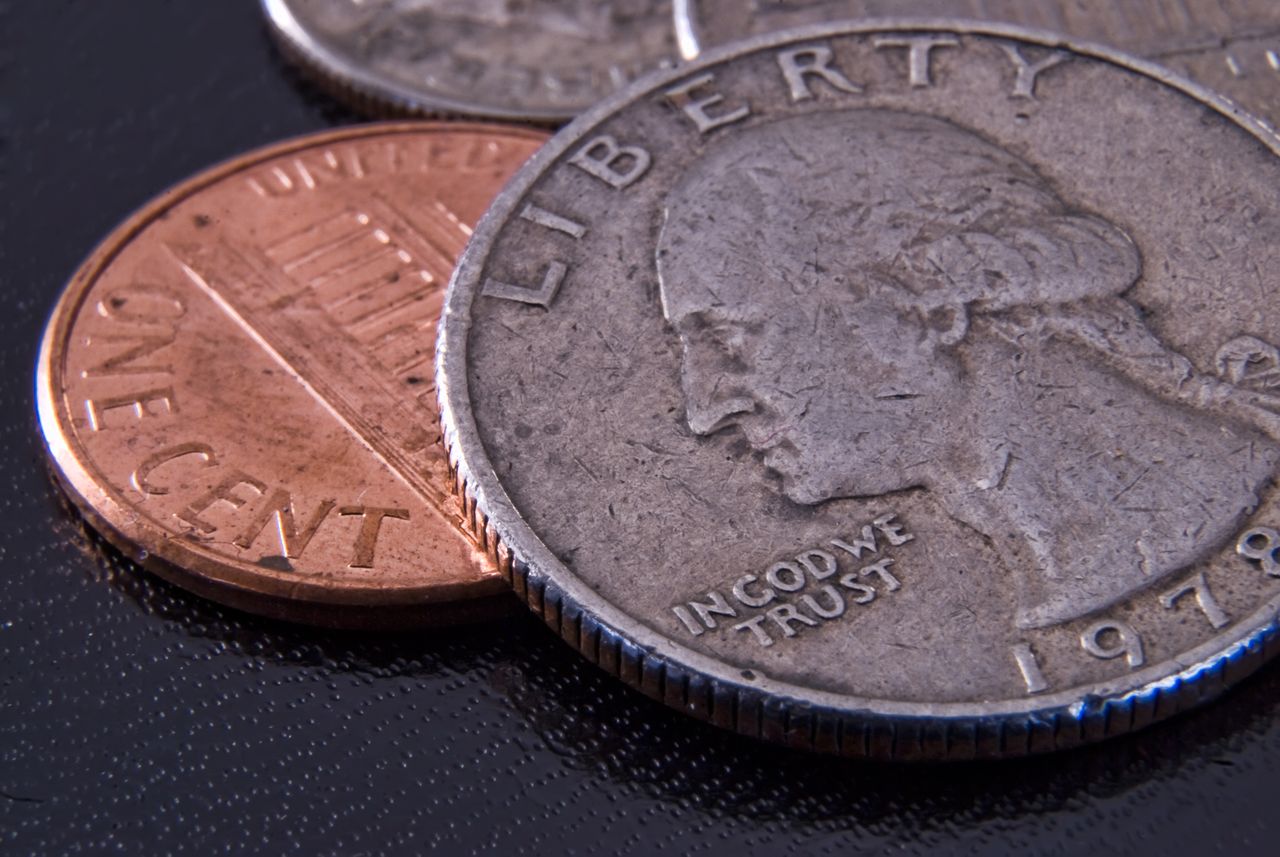
The penny’s long exit is now official in practice and close to official in law. The U.S. Mint stopped producing the one cent coin in 2025, and legislation approved by Congress on September 29, 2026, would formally end production after 234 years while allowing cash purchases to be rounded up or down to the nearest nickel when exact change is unavailable.
For most people, the biggest change is at the register, not in their wallet. Electronic payments still process to the exact cent, but cash transactions are being pushed toward five cent rounding as penny supplies dry up and banks, retailers and government agencies adjust.
Congress acts after the Mint already stopped making pennies
The Mint held a ceremonial final strike for the circulating penny at its Philadelphia facility on December 12, 2025. In that announcement, the agency said the event marked the end of the penny’s 232 year production run as a circulating coin, while adding that limited numismatic versions would continue for collectors.
Treasury later said the Secretary had decided to suspend penny production after determining the coin was no longer needed to meet the needs of the United States. The U.S. Mint’s penny FAQ says the one cent coin accounted for 57 percent of all circulating coin production in fiscal year 2024, when the Mint made 5.61 billion circulating coins.
The cost was a major driver. The Mint’s 2025 annual report said each penny cost 3.02 cents to make in fiscal year 2025, and each nickel cost 13.31 cents. An Associated Press report on the September 29, 2026 House action said the Mint now estimates a penny costs almost 4 cents to produce and that ending production would save about $56 million a year.
The rounding change applies to cash, not card or digital payments. Treasury’s penny cessation FAQ says businesses may round the final amount of a cash transaction to the nearest five cent increment when penny change is not available, and it says sales tax is still calculated on the exact pre-rounding purchase total.
Federal and state guidance now shows the same basic pattern. The Postal Service adopted symmetrical rounding for retail cash transactions, with totals ending in 1 or 2 cents rounded down, 3 or 4 cents rounded up, 6 or 7 cents rounded down, and 8 or 9 cents rounded up. New York City’s Department of Finance published similar examples after saying its business centers no longer had pennies to give as change.
What remains unsettled in some places is the exact legal framework at the state level. Treasury has said states will approach the issue differently based on their own considerations, and Massachusetts issued its own 2026 directive to clarify that rounding cash totals does not change how sales tax is computed. The manual source notes did not identify a specific local city or state, so no narrower local impact is confirmed here.
Treasury has tied the shift to two forces: the low purchasing power of a single penny and the growing share of transactions that do not use cash. In its FAQ, the department said continued production was not fiscally responsible or necessary to meet the needs of commerce in the United States.
The Federal Reserve has already begun preparing banks and cash handlers for a world with fewer pennies. Its FedCash guidance says customers will see changes to penny ordering and deposits as coin distribution locations run out of inventory, and some locations are no longer fulfilling penny orders.
Congress also used the legislation to add certainty for retailers that had been dealing with shortages and inconsistent practices. The Associated Press reported that the bill would create a uniform standard for rounding cash transactions to the nearest nickel when exact change is unavailable. If the bill becomes law, it will formalize a change that many public agencies and businesses have already started making as the penny slips out of circulation.