

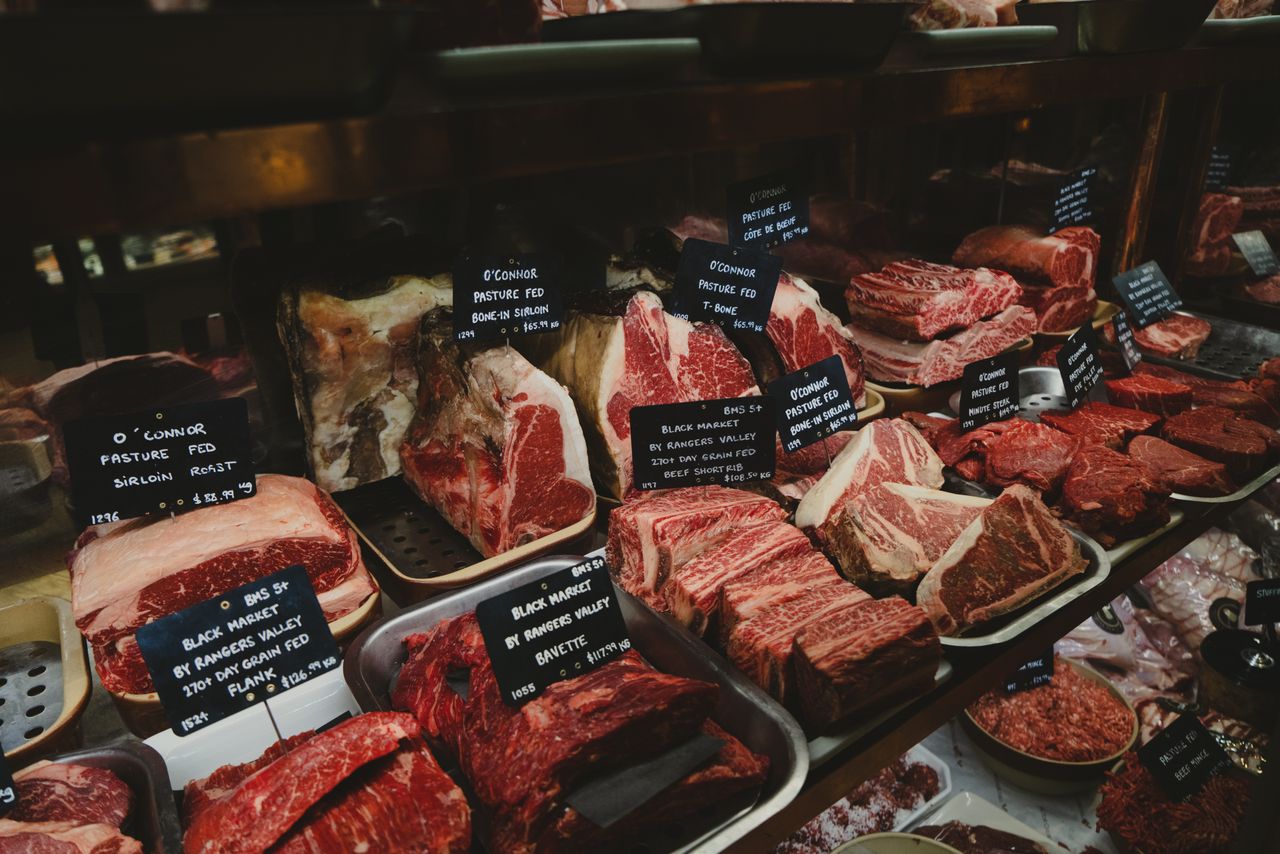
Beef prices have risen as the U.S. cattle herd has fallen to multi-decade lows, putting unusual pressure on grocery bills and on ranchers who sell into a highly consolidated supply chain. That broader debate sharpened on September 3, 2026, when Agriculture Secretary Brooke Rollins told Fox Business that consumers should “don’t stop eating meat” and said the USDA is working to rebuild the herd and expand regional processing. What Rollins did not fully address is that federal research and antitrust filings have for years identified meatpacking concentration as a major factor in the gap between what ranchers are paid and what shoppers pay at the meat case.
Rollins emphasized cattle supply, while federal records show four packers still dominate
In her September 3 Fox Business appearance, Rollins rejected what the network described as a Democratic “fake meat” push and said USDA is focused on rebuilding the American cattle herd, lowering high beef prices and working with regional processors. Fox Business also reported that the Justice Department’s beef price investigation has expanded to eight major retail chains, underscoring that federal scrutiny now reaches beyond processors and into downstream pricing.
But USDA’s own Economic Research Service has documented a longer-running structural issue. In a January 2024 analysis, the agency said the four largest meatpackers’ share of cattle purchases surged after 1980 and that concentration has been tied to wider spreads between cattle prices and wholesale beef prices. Separate USDA chart data show the largest four firms accounted for more than 80% of cattle purchases by 2019, a level that has made competition in fed-cattle buying a repeated policy concern.
That concentration has also appeared in court records for years. In an antitrust complaint, the Justice Department said JBS, Tyson, Cargill and National Beef were the major competitors in boxed beef, and warned that reduced rivalry in cattle procurement could mean lower prices for producers and higher prices for wholesale buyers and consumers.
The immediate impact is not confined to one state. Ranchers in cattle-heavy states sell into a market where local or regional bidding power can be limited, while shoppers nationwide see elevated beef prices on store shelves. USDA research says limited processing capacity and market concentration can widen the spread between live-cattle values and wholesale beef prices, meaning weakness for producers does not automatically translate into relief for consumers.
What is confirmed is that the cattle herd remains tight and processing remains concentrated. What is not yet publicly detailed is how any new USDA effort to support regional processors will be distributed state by state, or which specific communities would see measurable new slaughter capacity first. Rollins said USDA is working with regional processors, but the department has not released a comprehensive public list tied to the September 2026 comments.
That leaves a two-track reality. Supply matters because fewer cattle generally mean higher beef prices. But the structure of the packing industry matters too, because four dominant companies retain outsized control over how cattle are bought, processed and sold into the national food system.
USDA’s sector data say domestic beef production has been lower since 2022, even as demand has stayed firm, helping keep prices elevated. Fox Business separately reported in August that beef prices had surged nearly 12% as the national cattle herd hit a 70-year low, reinforcing Rollins’ point that supply is a major part of the story.
Still, USDA researchers have said concentration affects how those supply shocks move through the market. Their 2024 analysis found that increased farm-to-wholesale beef spreads coincided with the disappearance of excess packing capacity, reducing the system’s flexibility when cattle numbers tighten or disruption hits. In that framework, the issue is not simply fewer cattle or consumer demand alone, but also who controls slaughter capacity when supplies are scarce.
For shoppers, that means high beef prices are being driven by more than a cultural fight over plant-based substitutes. For ranchers, it means rebuilding the herd may not fully solve the pricing imbalance unless competition in meatpacking changes as well. As of this week, the administration says it wants more domestic production and more room for smaller processors, while federal research continues to show that concentration in the packing sector remains a central part of the beef-price story.