

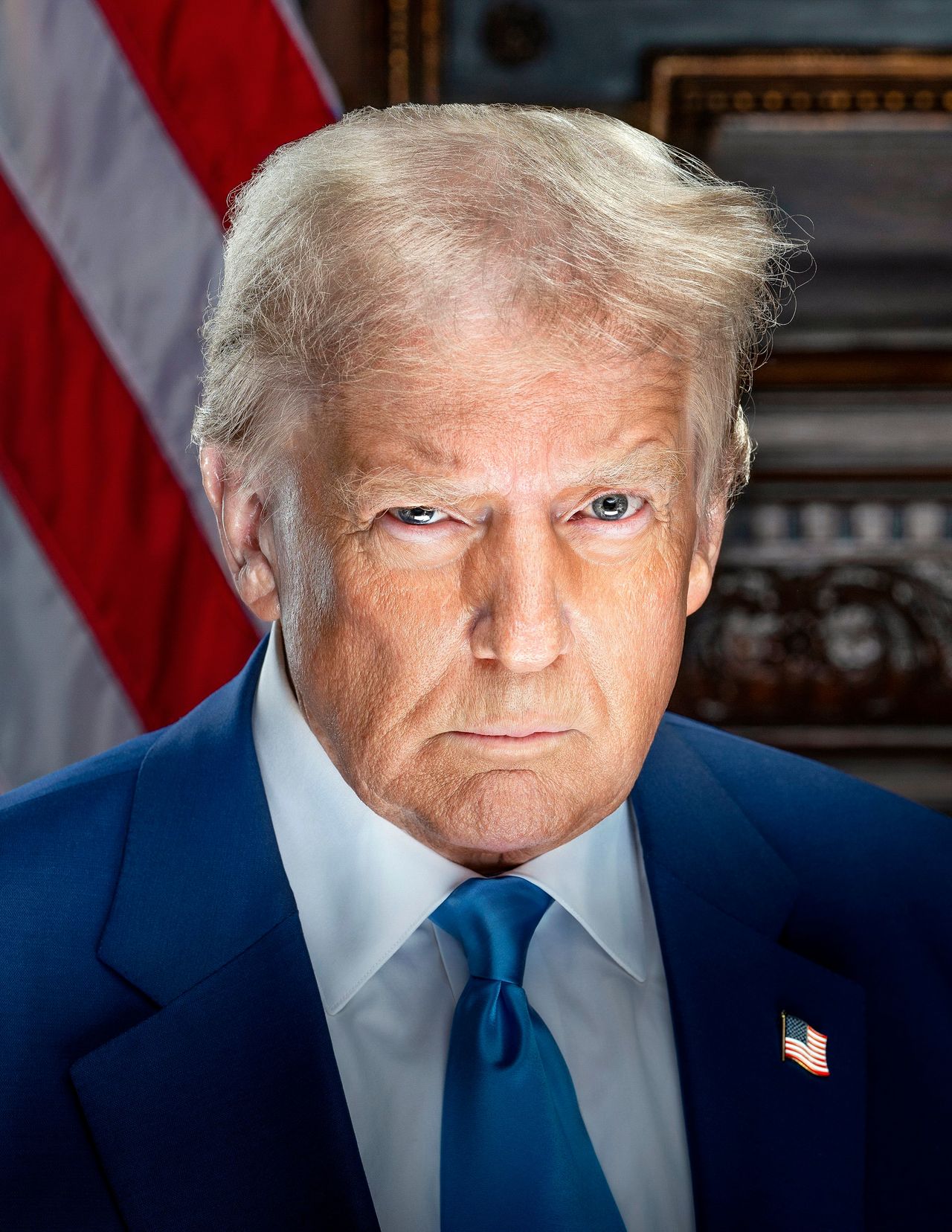
National political rhetoric has intensified as both parties frame the 2026 midterm elections around ideology, security and the direction of the Democratic Party. That sharpened again on August 10, when President Donald Trump said at the White House that a friend had urged him to begin calling Democrats “jihadists.” The comment added to a line of attack Trump and his allies have increasingly aimed at progressive Democrats in high-profile races.
Trump’s White House remark added a new label to his attacks on Democrats
Trump made the comment on Monday, August 10, while speaking with reporters at the White House, according to coverage from The Daily Beast that quoted his remarks. During that exchange, he said a friend told him to use the term “jihadists” when referring to Democrats, and he then used the label in discussing the party’s candidates and direction.
The remark came as Trump continued a broader pattern of using charged ideological language against Democrats. The Associated Press reported in July that Trump and his political team had been testing messages portraying Democrats as socialists or communists as Republicans looked for a line of attack beyond defending his record on high prices and other voter concerns. In that same AP reporting, White House spokeswoman Olivia Wales said Trump would keep criticizing what the administration described as Democratic radicalism.
What is verified is the setting and the substance of the comment: Trump said publicly that a friend had suggested the term, and he used it in front of reporters on August 10. What has not been publicly identified is the name of the friend Trump referenced, and the White House had not publicly provided additional detail about that person at the time of publication.
The comment landed as Republicans focused on progressive Democratic victories in major races, especially in Michigan and New York. In Michigan, the Associated Press reported that Abdul El-Sayed defeated Haley Stevens in the Democratic primary for an open U.S. Senate seat, a closely watched race that party leaders saw as a test of the Democratic electorate’s direction. AP said Democrats gathered in Detroit days later to emphasize unity ahead of the general election.
In New York, Reuters reported in June that New York City Mayor Zohran Mamdani backed a slate of insurgent congressional candidates who defeated establishment-aligned rivals in Democratic primaries. Reuters described those results as another sign of growing strength for democratic socialist candidates and organizations inside the party, especially in urban strongholds.
The direct local effect of Trump’s August 10 remark is therefore political rather than administrative. There is no announced federal policy change tied to the statement, and no formal government action accompanied it. What remains unclear is whether Republican campaigns outside Washington will adopt the same language broadly in paid advertising, campaign appearances or state-level messaging over the final stretch before November.
The broader context, according to Reuters and AP reporting this summer, is that Trump’s team has been searching for terms that can tie progressive primary winners to a national Republican message about extremism. Reuters reported that Democratic socialist gains in places including New York gave Trump and other Republicans a fresh opening to portray Democrats as outside the political mainstream. AP separately noted that Trump has repeatedly leaned on ideological labels in public remarks, including “communist” and “socialist,” as part of that effort.
That strategy also reflects the electoral map. Michigan is one of the most closely watched Senate contests of the cycle, and New York primaries have produced some of the clearest signs of leftward energy inside Democratic politics. Those developments provide the backdrop for why Trump would use a new term while speaking about Democratic candidates rather than about a specific policy dispute.
For readers, the practical takeaway is that the remark signals how national Republicans may continue to frame Democratic nominees through Election Day. There is no indication from current reporting that the statement changes ballot procedures, campaign rules or government operations. But it does show that the 2026 midterm campaign is likely to remain centered on language about ideology, identity and party direction as candidates move from primaries into the general election.