

A fresh fight over inflation has moved to the center of the national political debate as markets, the White House and the Federal Reserve weigh whether price pressures are easing or becoming more entrenched. That argument sharpened on September 5, when President Donald Trump responded to a stronger-than-expected August jobs report by rejecting the idea that growth could fuel inflation and by blaming “stupidity” instead. Recent reporting by the Associated Press and government inflation releases show economists focusing on a different mix of causes: import tariffs, higher borrowing costs and energy shocks linked to the Iran war.
Trump’s remarks followed a jobs report and renewed market inflation fears
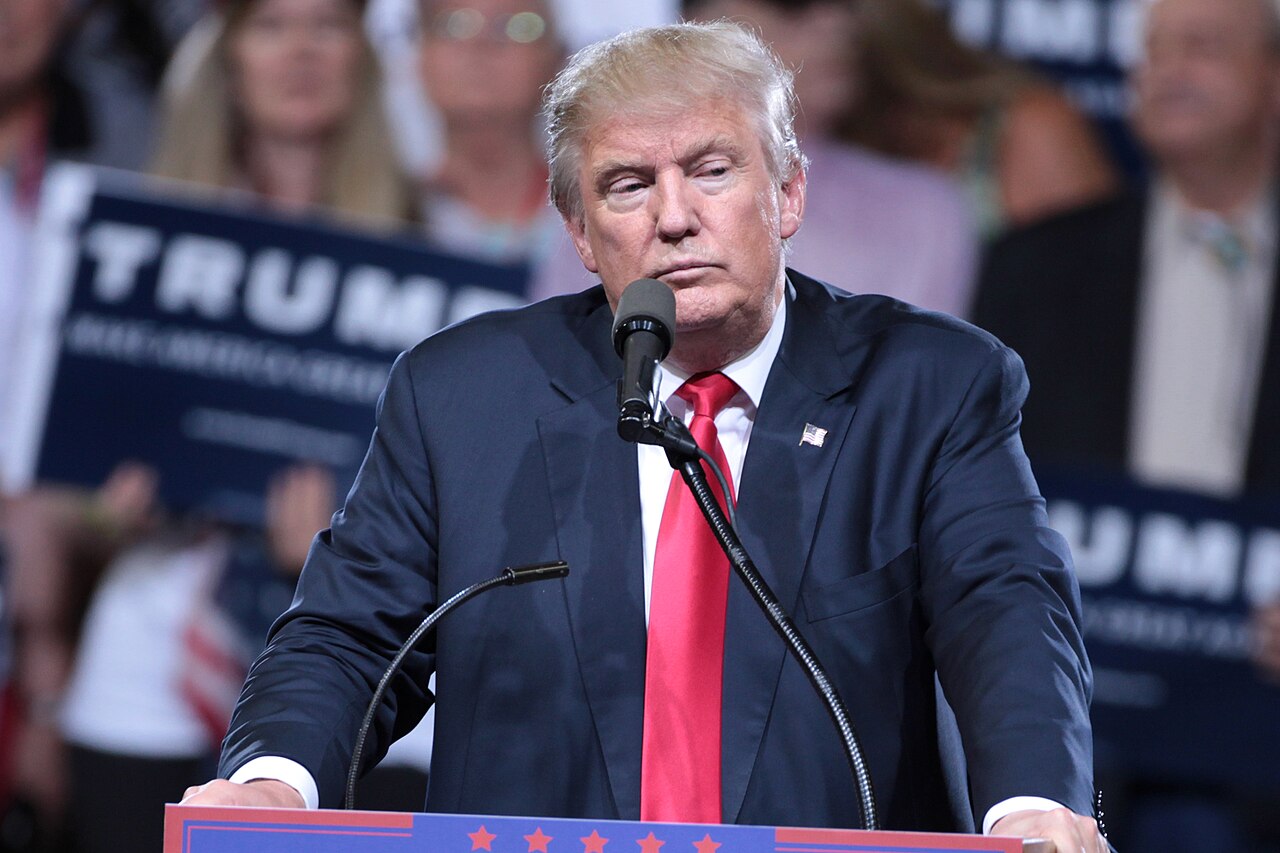
Trump made the comments from the Oval Office on September 5 after the Labor Department reported that employers added 162,000 jobs in August, according to the Associated Press. AP reported that Trump called it “crazy” that stocks fell on inflation concerns and said, “Success does not cause inflation. Stupidity causes inflation,” as investors absorbed the new labor data and its possible effect on interest rates.
The immediate market backdrop was a renewed debate over whether solid hiring could keep the Federal Reserve cautious on rate cuts. AP reported that Treasury yields rose as investors reacted to persistent inflation and the possibility that the central bank may need to hold rates higher for longer. Trump also used social media to argue that trade pressure on foreign countries could help offset U.S. financing strains, AP said.
The scale of the broader problem remains significant. AP reported last week that the national debt had crossed $40 trillion, while the yield on the 10-year Treasury note rose to 4.79% on September 5. Those figures have added to political pressure on the administration as inflation remains above the Fed’s 2% target and as borrowing costs for households and businesses stay elevated.
This dispute is not tied to one state or one local market. Inflation pressures tied to tariffs and energy costs affect gasoline, household goods, electronics and borrowing costs across the country, and no full state-by-state breakdown of the latest tariff effects has been released by the White House. What is confirmed is that federal inflation data and national market reporting continue to show broad pressure on consumer costs.
The Commerce Department’s preferred inflation gauge, the personal consumption expenditures price index, rose 3.7% in July from a year earlier, unchanged from June, according to AP’s August 26 report on the federal data. Core PCE, which excludes food and energy, stood at 3.3% in July. AP reported that core inflation had fallen to 2.6% before Trump imposed sweeping tariffs in April 2025, giving economists a benchmark for how conditions changed afterward.
Energy remains a major part of the story for drivers and households. AP reported earlier this summer that inflation moved above 4% as gas prices climbed during the Iran conflict, and that economists saw the war’s effect on oil and gas as a key reason headline inflation accelerated. The administration has not released any new national estimate showing that “stupidity,” rather than tariffs or war-related fuel costs, accounts for recent price growth.
The core economic argument against Trump’s explanation is straightforward: tariffs are taxes on imports, and businesses often pass those costs through to consumers. AP has repeatedly reported that mainstream economists view Trump’s tariff policies as inflationary, both because they raise the cost of imported goods directly and because they can ripple through supply chains for manufacturers, retailers and consumers.
The second major factor is energy. AP reported that inflation worsened after the United States and Israel attacked Iran in late February 2026, with higher oil prices and supply disruptions feeding through to gasoline and other costs. In a separate March report, AP said crude had risen above $100 a barrel and gasoline was moving toward $4 a gallon as the conflict disrupted the Strait of Hormuz, one of the world’s most important oil chokepoints.
For consumers, that means the inflation debate is not just rhetorical. The practical outcome is that prices, interest rates and energy costs remain under pressure even as hiring shows resilience. AP reported that Wall Street’s focus this week will be on fresh inflation updates, a sign that investors and policymakers still see tariffs and the Iran war — not a single offhand explanation from the Oval Office — as central to what happens next.