

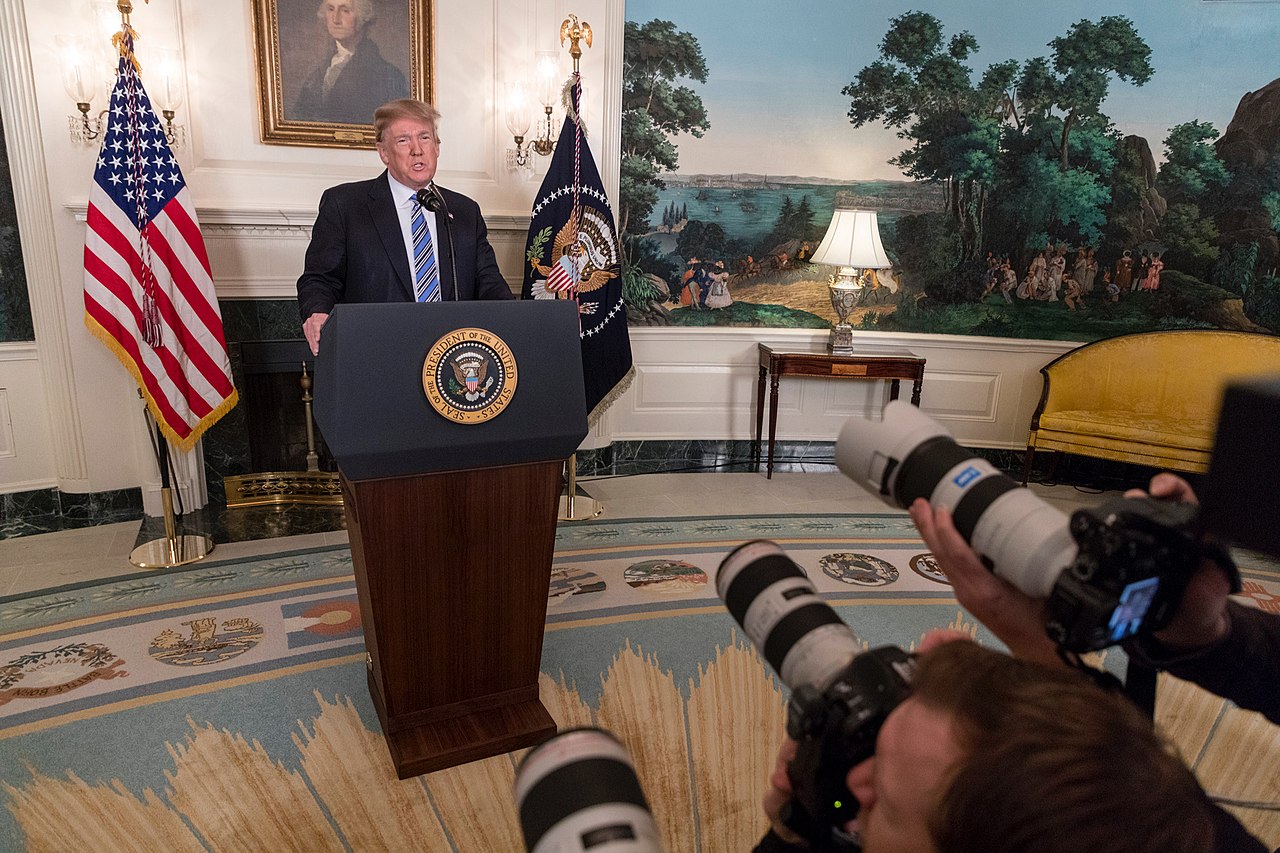
Inflation remains a central political and economic issue nationwide as the White House and the Federal Reserve weigh competing signals on consumer costs. That debate sharpened after President Donald Trump said prices were falling, even as the latest federal data showed overall prices were still higher than a year earlier. The newest numbers, released September 11, point to a more mixed picture than the president’s broad description.
Federal data shows prices still rose in August
The clearest benchmark came from the Bureau of Labor Statistics, which reported on September 11 that the Consumer Price Index rose 0.3% in August before seasonal adjustment and was up 3.4% from a year earlier. The same report said core inflation, which excludes food and energy, rose 2.4% over the year. That means the broad national measure of consumer prices did not fall overall in the latest monthly reading, even though some individual items moved lower.
The BLS said energy prices increased 2.1% in August after falling in July, with gasoline up 3.9% for the month on a seasonally adjusted basis. Over 12 months, the energy index was up 16.3%, driven in large part by a 27.4% increase in gasoline prices. Food prices also edged higher, with the overall food index rising 0.1% in August, while food away from home, a category that includes restaurant meals, remained 3.4% higher than a year ago.
There were some declines within the report. Medical care fell 0.2% in August, and motor vehicle insurance declined 0.8% for the month, according to BLS. But the government’s broad measure still showed inflation continuing rather than reversing, which is the key contrast with Trump’s recent message that prices are broadly “coming down.”
For households in the United States, the latest report suggests that relief remains uneven rather than widespread. Grocery inflation was relatively mild in August, with food at home unchanged for the month, but several core budget items kept climbing. Shelter rose 0.3% in August and was up 3.0% over the past year, according to the BLS, keeping pressure on renters and homeowners alike.
The federal report does not provide a single real-time snapshot for every city or state in this release, so it does not confirm exactly how families in each local market experienced price changes in August. It does show national trends that affect daily spending categories almost everywhere, especially gasoline, rent, and meals away from home. The government has not released one comprehensive August local breakdown for every community in the country within this summary report.
The latest reading also matched a broader picture seen in other recent economic data. The Associated Press reported that producer prices, which track inflation before it reaches consumers, rose 5.4% in August from a year earlier. That suggests businesses were still facing cost pressure even before goods and services reached store shelves and consumers.
Recent energy prices are a major reason the inflation picture remains complicated. The BLS report showed gasoline costs rising in August, while the Associated Press reported U.S. oil prices topped $100 a barrel last week amid renewed fighting in the Middle East. Higher fuel costs can ripple through household budgets directly at the pump and indirectly through shipping, food distribution and service costs.
The Federal Reserve’s latest projections, released September 16, show policymakers still expect inflation to run above their 2% goal this year. Fed officials’ median projection put 2026 PCE inflation at 3.7%, with core PCE at 3.4%. Those figures are separate from the CPI, but they point in the same direction: inflation has cooled from earlier peaks but has not disappeared.
That is why Trump’s statement and the latest data can both contain partial truths while pointing to different conclusions. Some products have gotten cheaper over time, and fact-checkers including PolitiFact have noted declines in a few categories such as eggs and some vehicles. But the latest official federal inflation release shows overall prices were still rising in August, not falling across the board.