

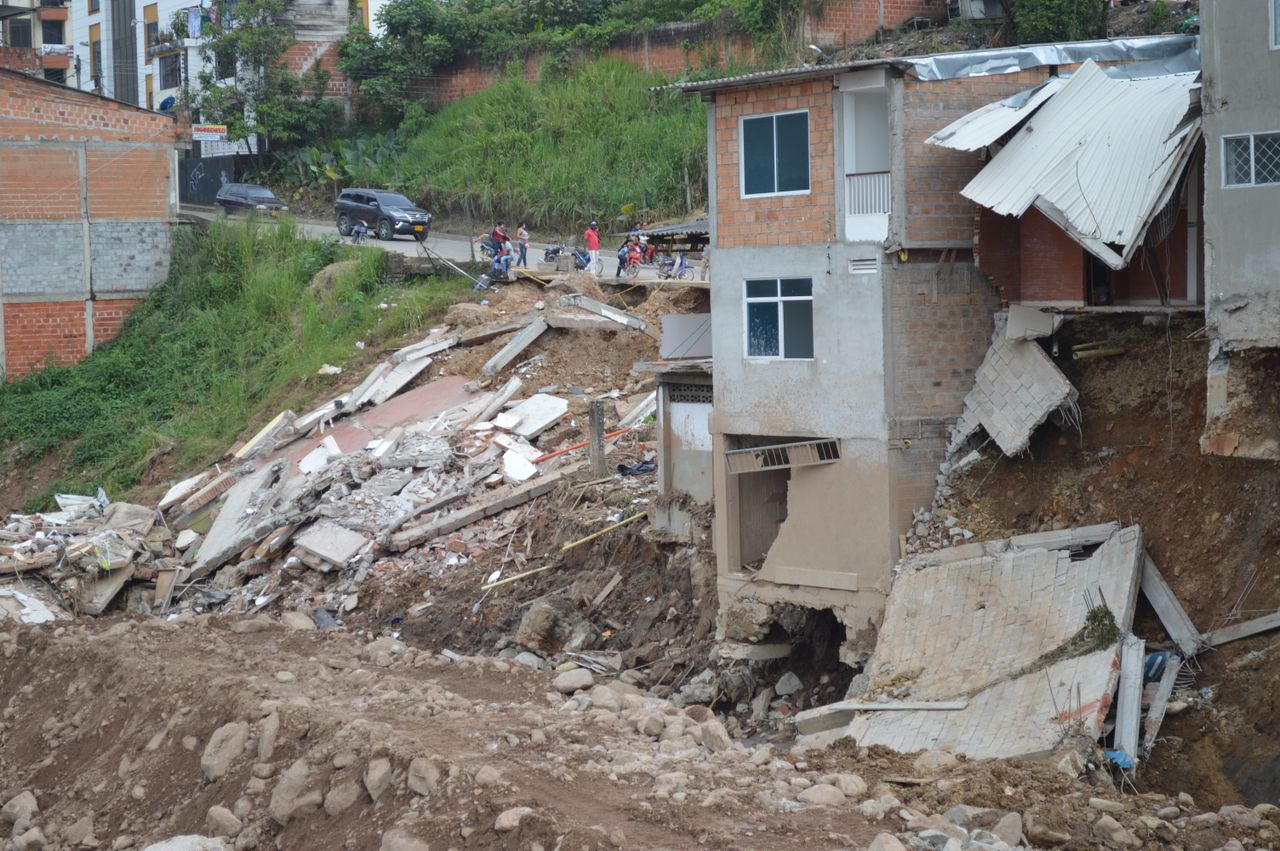
As governments across the Americas respond to a new major disaster, the United States is moving quickly to pair humanitarian aid with consular support for citizens overseas. In Colombia, that response now includes $15.5 million in U.S. emergency assistance after a powerful earthquake killed more than 100 people and damaged cities in the country’s west, according to the Associated Press. The same crisis has also left some American tourists seeking help as transportation and local services remain disrupted.
U.S. aid package follows deadly Aug. 10 quake
The U.S. State Department announced on Monday night, Aug. 10, that it would provide $15.5 million for emergency shelter, food and other earthquake response aid, according to the Associated Press. The funding was disclosed after a 7.4 magnitude earthquake struck western Colombia and caused widespread destruction in heavily affected urban areas including Pereira and Cali, AP reported. By Tuesday, rescue crews were still searching damaged buildings and trying to locate missing residents as the death toll continued to climb.
AP reported that the earthquake killed more than 100 people, making it one of Colombia’s deadliest seismic events in decades. The same report said other Latin American governments also began offering assistance as Colombia’s emergency response expanded. Colombian authorities were still assessing structural damage in multiple cities, and officials had not yet released a full national accounting of destroyed homes, injured residents or displaced families.
The U.S. role, as publicly confirmed so far, involves both humanitarian support and assistance to American citizens affected by the emergency. The State Department has not publicly released a line-item breakdown of the $15.5 million package. It also has not publicly identified how much, if any, of that support is tied directly to transportation or short-term help for stranded U.S. travelers.
For Americans visiting Colombia, the immediate impact is more practical than diplomatic: damaged infrastructure, interrupted communications and uncertainty around local movement. The U.S. government says Americans abroad who need help during a foreign crisis or natural disaster should contact the nearest U.S. embassy or consulate, according to USAGov. That guidance specifically includes help for U.S. citizens stranded abroad and those affected by natural disasters.
State Department crisis guidance says the U.S. may help private citizens leave a place of danger when commercial options are unavailable and conditions allow, though it generally cannot provide routine in-country transportation during a crisis. The same guidance states that government-coordinated departures are usually to a nearby safe location rather than directly to the United States. Travelers are also generally responsible for lodging, food and onward travel costs after reaching that safe location, unless separate emergency assistance is arranged.
What remains unclear is how many U.S. tourists have asked for help in Colombia since the earthquake and where they are located. The State Department has not released a public count of affected Americans or a comprehensive list of areas where consular cases are concentrated. It is also not yet clear whether departures are being arranged on a group basis or handled case by case through embassy and consular channels.
The scale of the U.S. response reflects both the size of the disaster and the broader regional context. AP reported that the quake left Colombians especially shaken after two back-to-back earthquakes devastated neighboring Venezuela in late June, destroying hundreds of buildings and killing more than 6,300 people. That recent regional trauma has heightened concern about emergency readiness, shelter capacity and the pace of international aid across northern South America.
AP also noted that earthquakes above magnitude 6.0 are relatively rare in central and western Colombia, even though smaller tremors are common. The outlet reported that a 6.2 magnitude quake near Armenia in 1999 killed more than 1,100 people, underscoring the country’s vulnerability when stronger seismic events strike populated areas. That history helps explain why outside governments moved quickly to offer relief once the scale of the Aug. 10 destruction became clear.
For residents and travelers in Colombia, the near-term outlook is defined by rescue operations, shelter needs and uneven transportation conditions rather than any single recovery timetable. The State Department’s published crisis guidance says Americans should use commercial transport when it is safe and available, but should be prepared to remain in place if local travel is unsafe. For now, Colombia’s confirmed needs include emergency food, shelter and continued search efforts, while a fuller picture of casualties, displacement and travel disruption is still developing.