

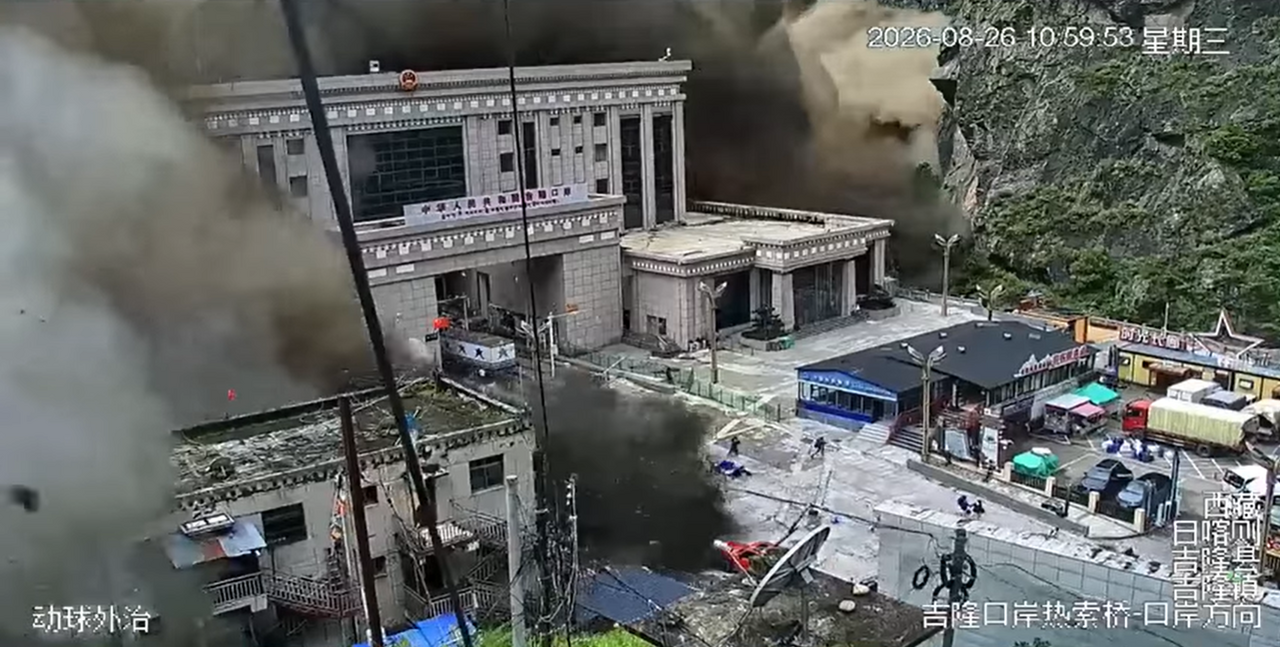
Catastrophic flooding in the Himalayas has triggered a multinational search for tourists, pilgrims and workers after a fast-moving surge tore through a key border corridor. In Nepal’s Rasuwa district and nearby areas along the route to Tibet, U.S. officials say roughly 85 Americans remain missing after the disaster struck a pilgrimage path used by travelers heading to Mount Kailash. The flood hit on August 26, 2026, when a towering wall of water, mud and debris swept through settlements, roads and border infrastructure.
About 85 Americans remain unaccounted for after the flood
About 85 Americans remain missing after the Nepal-Tibet flood, according to a U.S. State Department spokesperson cited by ABC News on August 30, while earlier Associated Press reporting had put the figure at about 90 as officials worked to reconcile rescue updates and incomplete passenger lists. The flood struck on Wednesday, August 26, along the Bhote Koshi river system near Nepal’s border crossing with Tibet, a route heavily used by Kailash pilgrims, according to Reuters and AP.
Authorities in Nepal and China have said the broader disaster killed hundreds of people and left thousands missing across both sides of the border. By Monday, AP reported Nepal’s disaster agency had counted 903 deaths in Nepal and 4,247 people missing, including hundreds of foreigners, as rescue operations continued in remote mountain terrain.
Many of the missing Americans were believed to be part of organized spiritual or pilgrimage travel heading toward Mount Kailash in Tibet, which is sacred to Hindus, Buddhists and others, according to AP. CBS News, citing an interview with an Isha Foundation representative, reported that about 80 people connected to one pilgrimage group were missing in the early stages of the search, though not all were confirmed to be U.S. citizens.
The U.S. citizens reported missing were in or near Nepal’s northern border corridor, particularly Rasuwa district and the Timure-Rasuwagadhi route, where pilgrims and tourists pass before entering Tibet for the Kailash Mansarovar journey, according to AP, ABC News and Nepal media reports. That area suffered severe washouts, bridge collapses and road damage, cutting off access for rescuers and complicating efforts to verify who escaped, who was evacuated and who remains unaccounted for.
What is confirmed is that Americans are among the foreign nationals still missing in the disaster zone. What is not yet known is a complete public list of the missing Americans, where each traveler was last seen, or how many may have crossed into Tibet before communications failed. U.S. officials have not released a full roster, and family members have instead been relying in part on tour operators, community networks and social media to piece together timelines, according to AP and Washington Post reporting.
Accounts from survivors and relatives show how quickly conditions changed. AP reported one witness described the flood hitting shortly after 9 a.m. local time, while loved ones in the United States have said final phone calls and messages stopped as tour groups moved through the border region.
Preliminary findings reported by AP say the flood was likely triggered when a large mass of glacier material broke away, temporarily dammed a river and then released a destructive surge downstream. Reuters similarly reported that a collapse involving rock, ice, mud and debris sent a torrent through Himalayan river systems on the morning of August 26, destroying villages, hydropower sites and transport links.
Scientists and regional experts have tied the event to growing glacier and high-mountain hazards in the Himalayas. AP cited climate experts at the International Centre for Integrated Mountain Development as saying an avalanche or glacier break likely set off the flood, while Reuters reported Nepali officials were concerned about limited cross-border data sharing on glacier risks and water levels.
For U.S. families awaiting news, the immediate reality is that search and identification work is still underway and the number of missing Americans may continue to change as rescues are confirmed. President Donald Trump said on August 27 that U.S. officials had spoken with Nepalese leaders and offered support, according to AP, while Nepal, China and international teams continued recovery operations on August 31 in river valleys, border towns and damaged infrastructure zones.