

Across the country, home insurers have been tightening underwriting and claims practices as storm losses and repair costs rise. Newly public records in Oklahoma now show that some State Farm agents told the company its approach to roof claims was hurting customer trust and local agency business. The documents add fresh detail to a broader legal fight over how one of the nation’s largest insurers handled hail and wind damage claims.
Unsealed records put internal warnings into public view
A Comanche County judge on August 20, 2026 unsealed 31 internal State Farm documents in ongoing Oklahoma roof-claim litigation, according to multiple Oklahoma news reports and subsequent statements from state officials. Those records, described in reporting by KFOR, KGOU and Oklahoma Memo, include internal planning material and agent communications tied to what plaintiffs and the Oklahoma attorney general have described in court as a company effort to reduce payouts for full roof replacements. State Farm has denied that characterization in court and in public statements, saying its program was intended to improve accuracy in claims handling.
The newly public documents also include warnings from agents about the business fallout. KFOR’s account of the filings said one Ohio agent wrote leadership that roof-claim handling was affecting his “agency, reputation and potential business,” while another communication compared getting information from claims representatives to dealing with a “secret society.” Oklahoma Memo reported that one State Farm agent warned leadership that customers were being lowballed and that the company’s claims reputation had fallen below Allstate’s. Those descriptions come from news accounts of the court records; the full set of documents has not been comprehensively published by the company.
The scale at issue is significant. In one internal planning document cited by KFOR, wind and hail claims accounted for 57% of State Farm claims, and a later claims manager presentation described a $1.4 billion decrease in payouts from 2020 to 2021 alongside a sharp drop in the ratio of full roof replacements to repairs. Those figures are drawn from reporting on the unsealed records and remain central to the legal dispute. State Farm has not publicly accepted the plaintiffs’ interpretation of those numbers.
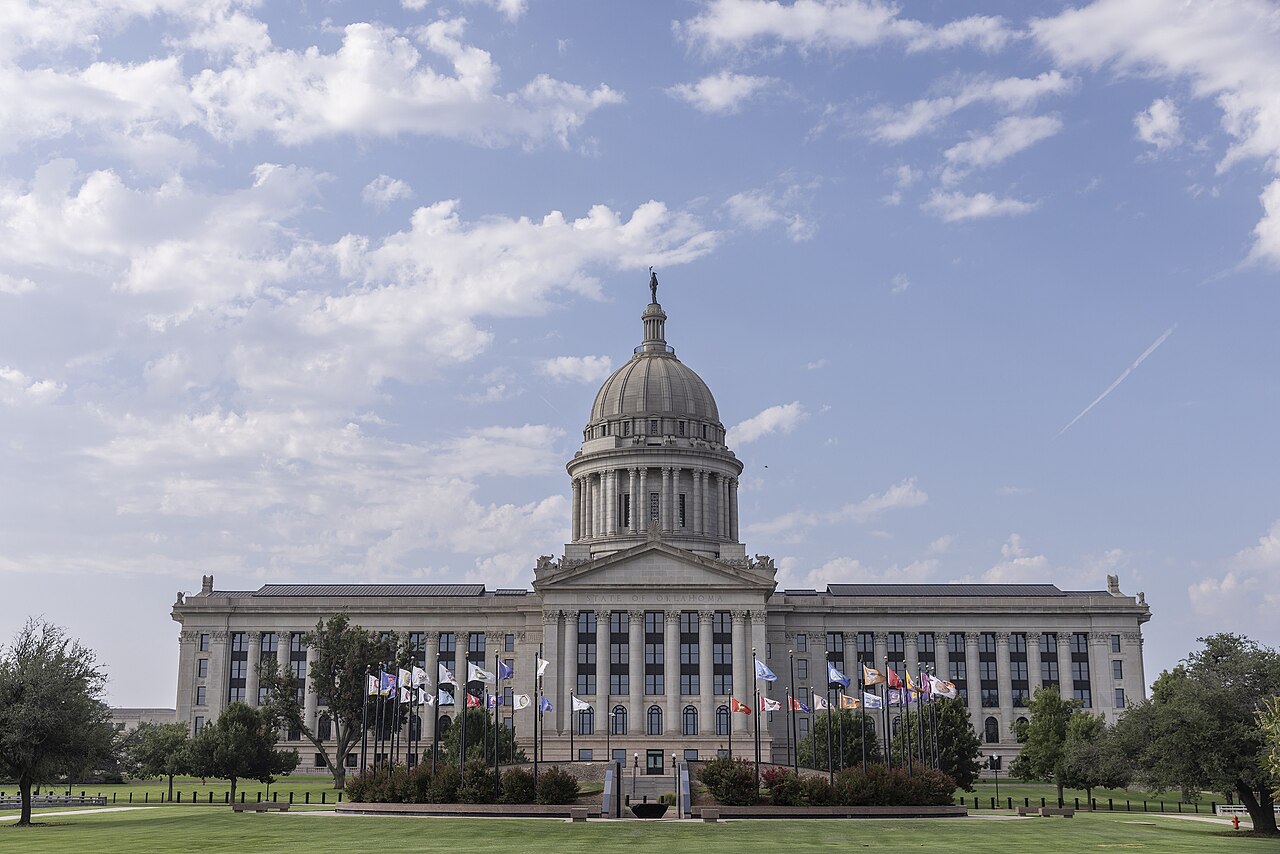
The most direct local impact is in Oklahoma, where hundreds of roof-claim lawsuits against State Farm have been reported and where the state’s insurance and legal authorities are already involved. Oklahoma Watch, as republished by Public Radio Tulsa, reported in January that Insurance Commissioner Glen Mulready disclosed an ongoing state examination of roof claims that had been underway for at least two years. On August 25, 2026, the Oklahoma Insurance Department said it was reviewing the newly released State Farm documents as part of that ongoing examination.
What is confirmed is that Oklahoma regulators are reviewing the materials and that the attorney general has intervened in litigation alleging unlawful claims practices. The Oklahoma attorney general’s filing said plaintiffs allege State Farm adopted internal directives that reduced roof replacement approvals to meet savings targets, and sought civil penalties and structural relief under state law. State Farm’s lawyers have denied that the company operated a hidden scheme and have argued in court that the initiative was meant to address overpayment and underpayment alike.
What is not yet known is how many Oklahoma homeowners may ultimately be found to have been affected by any improper claims practice, or whether regulators will order reopened claims, penalties or other remedies. The Insurance Department has not released a final examination report or a comprehensive statewide tally of affected claims. For Oklahoma residents with pending disputes, the practical reality is that the company’s claim handling is now under closer public and regulatory scrutiny than it was earlier this year.
The broader context is the economics of home insurance. NPR’s reporting on the lawsuits said State Farm’s alleged roof-claim initiative began in 2020, during a period when insurers nationwide were facing mounting weather losses and growing concerns about insurance availability. The same report said hail damage contributed to $51 billion in insured severe-storm losses last year, citing the Insurance Information Institute, and that hail often makes up the majority of severe-storm claims.
State Farm has framed its actions as part of ordinary claims discipline, not a denial strategy. In statements quoted by NPR, the company said that when damage is covered, it pays, and when coverage does not apply, it explains why and shares options with customers. The insurer also told NPR it had paid more than $1 billion for wind and hail damage in Oklahoma over the past two years. Separately, State Farm reported $12.9 billion in net income for 2025, according to its own financial results.
For customers, the immediate takeaway is not a change in policy language announced by the company, but a sharper focus on how claims were evaluated and explained. State Farm has not announced a blanket reopening of Oklahoma roof claims, and regulators have not issued a final determination. The company’s public position remains that its homeowners policy offers broad coverage and that claims decisions depend on policy terms and the facts of each loss, while Oklahoma regulators continue their review of the newly public records.