

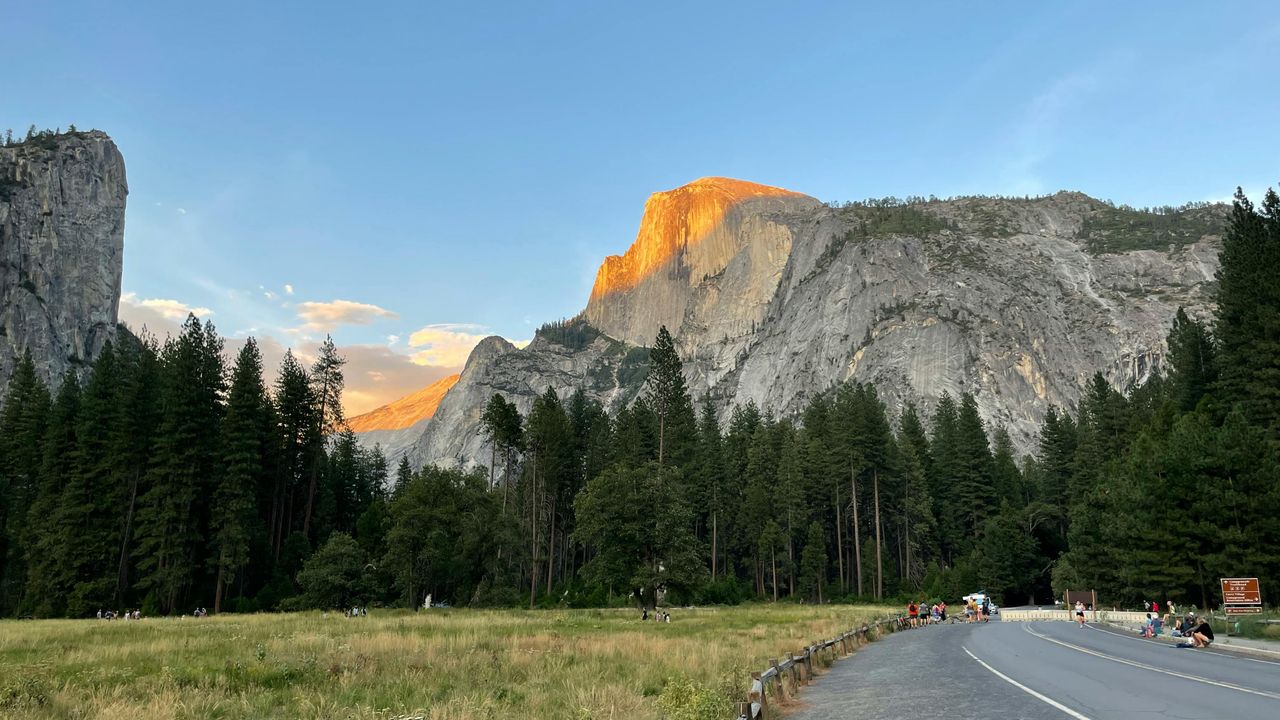
The warning signs were there long before the first major summer weekend. Now Yosemite is living the consequences in real time.
Why Yosemite abandoned reservations in the first place
Yosemite National Park confirmed that visitors driving into the park do not need an entrance reservation at any point in 2026. On its official reservations page, the National Park Service said the park “will no longer use a timed reservation system in 2026” after reviewing 2025 traffic patterns, parking availability, and visitor use. According to the agency, most weekdays remained within operational capacity, leading park leaders to conclude that a season-long reservation requirement was not the best fit for this year.
That explanation sounds straightforward, but it also reveals the gamble. Yosemite did not say crowding had disappeared. It said a season-wide system was not the most effective approach for 2026. In place of reservations, the park said it would rely on real-time traffic monitoring, active parking management in Yosemite Valley, added staffing at key intersections during peak periods, stronger congestion alerts, and more guidance pushing travelers toward weekdays.
At the same time, Yosemite is expanding access in ways that naturally intensify summer demand. In a May 13, 2026 announcement, the park said all front-country campgrounds would be open this summer, most High Sierra Camps were returning, Glacier Point Road had already opened, Tioga Road was scheduled to open on May 15 — the earliest in 16 years — and Half Dome cables access would begin the same day. In other words, Yosemite removed one of its strongest demand-management tools just as more of the park became available to the public.
This policy shift also arrived in the middle of a wider debate about how national parks should manage surging use. The National Parks Conservation Association argues that reservation systems help spread visitors across the day and reduce bottlenecks, while Yosemite leadership has emphasized flexibility and operational management instead. Those are two very different philosophies: one limits access up front, the other tries to absorb demand after people have already arrived. This summer, Yosemite is testing whether the second model can hold under pressure.
The early results look painfully familiar
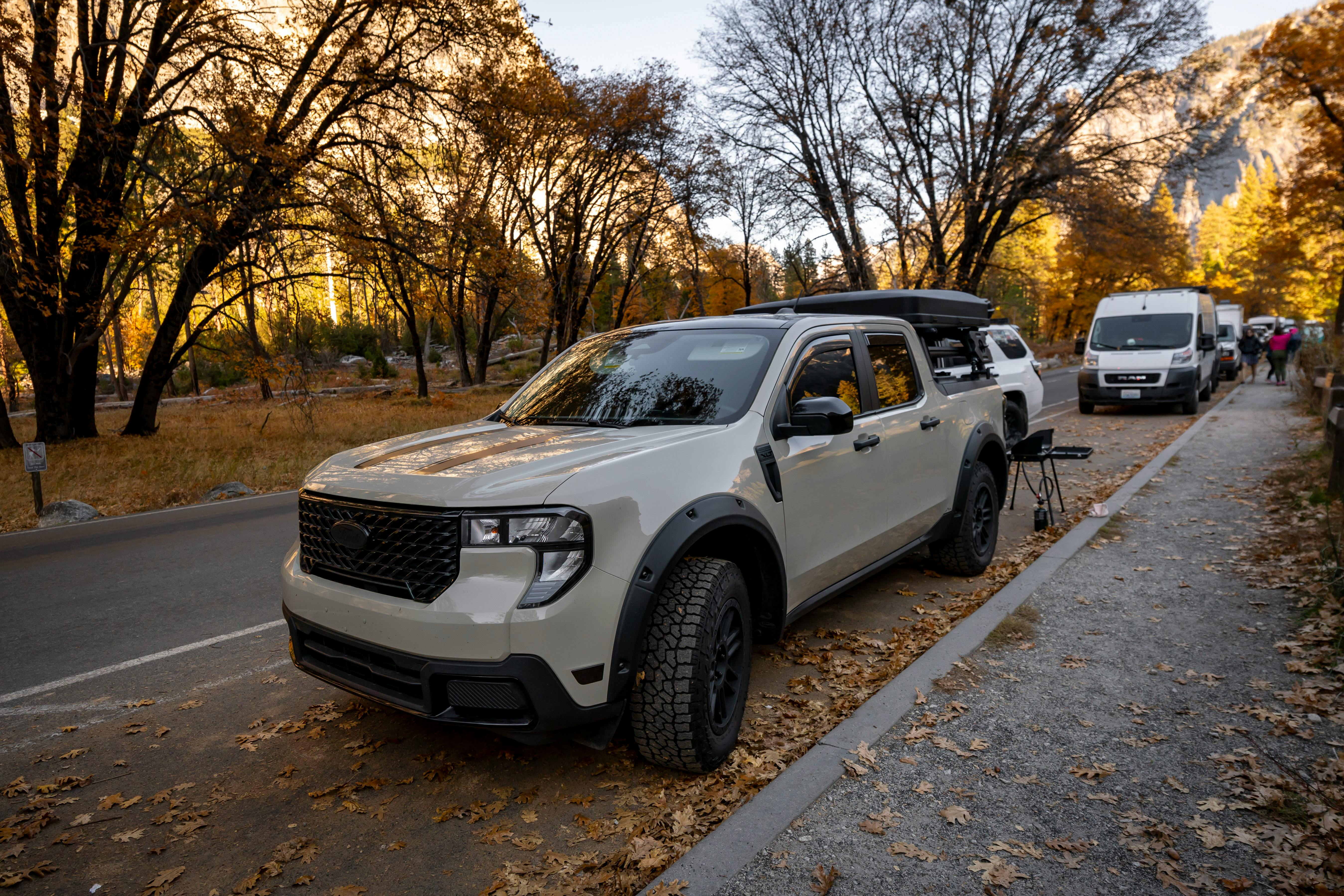
If the goal was smoother access, the first signs are not encouraging. Recent reporting has described major crowding and hours-long delays at Yosemite after the reservation system was dropped. That matches what many park watchers feared would happen the moment summer demand met open gates, especially on weekends and holiday-adjacent dates.
There is a clear historical reason for that concern. Yosemite already ran a no-reservation experiment in summer 2023, and its own draft visitor access plan says the infrastructure upgrades and traffic-management tactics used that year were not enough to reduce congestion, improve safety, or meet long-term management needs. The National Park Service wrote that the 2023 season highlighted the need for a solution that was “clear, effective, and responsive,” a striking admission given that the park has now again moved away from managed entry.
The same internal planning document explains why peak-hours reservations had appeal. Compared with a 24-hour reservation system, the park found that a peak-hours model let more people in, but not all at once, helping moderate visitation while preserving access. It also noted a predictable downside: when reservation windows began later in the morning, some visitors rushed in before 6:00 a.m., creating early surges that reduced parking availability even for people who had secured reservations. In other words, reservations were imperfect, but they still helped flatten the worst congestion.
Without them, Yosemite risks returning to the old pattern of simultaneous arrivals, filled lots, clogged intersections, and long lines for shuttles and trailheads. Critics often frame reservation systems as bureaucracy, but Yosemite’s own planning record suggests the alternative is not freedom in any meaningful sense. It is delay. It is uncertainty. It is the kind of visit where families spend hours in a car before ever seeing a waterfall, and where one full parking lot can destabilize movement across an entire valley floor.
Yosemite’s popularity was already pushing the park to its limits
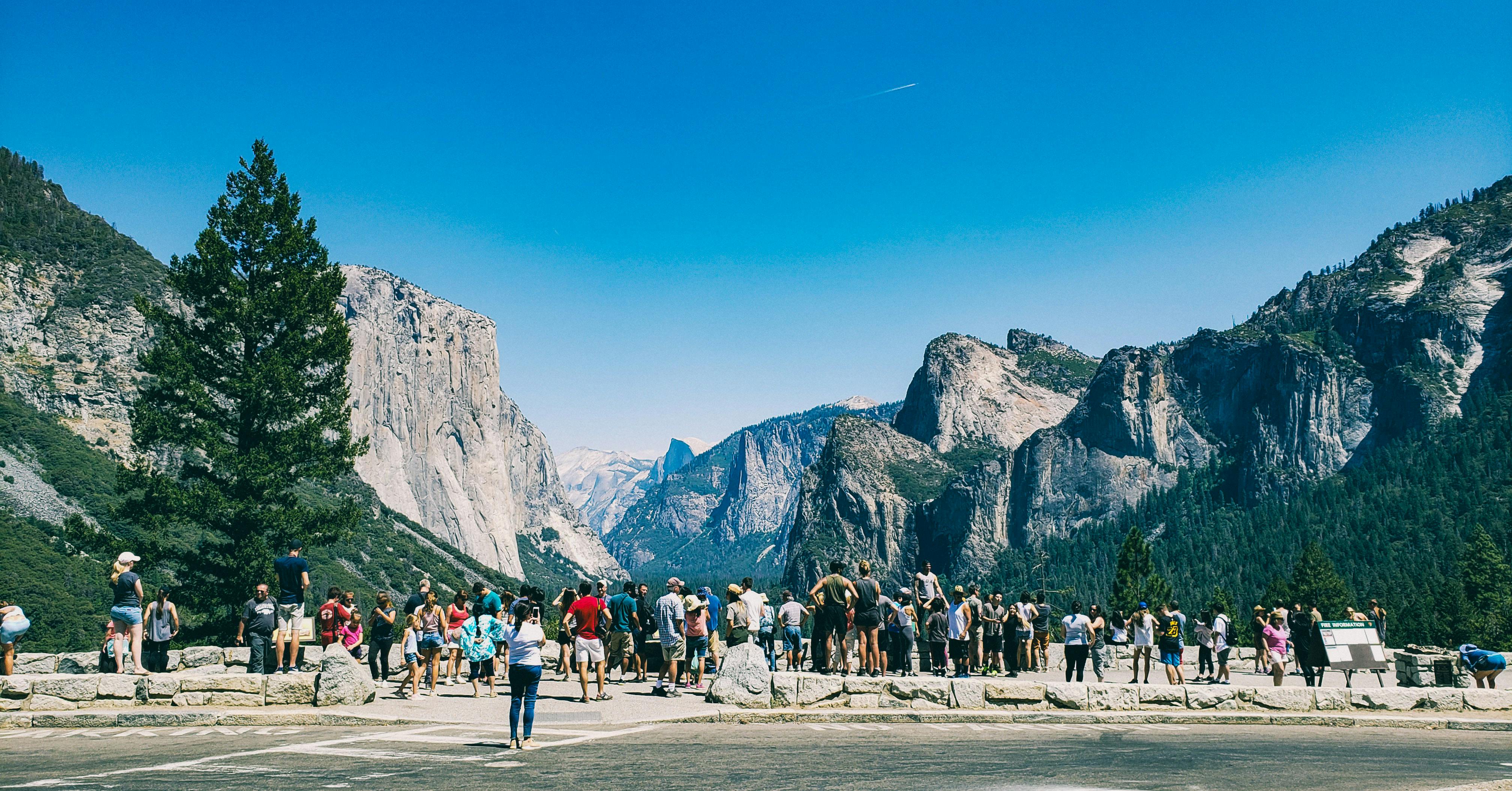
Yosemite is not dealing with a minor fluctuation in demand. It is one of the most visited and operationally complex parks in the country, and the scale matters. National Park Service data show Yosemite recorded 4.1 million recreation visits in 2024, while the broader park system set a record with 331.9 million recreation visits nationwide. Those are not abstract numbers. They translate into vehicles on narrow roads, pressure on bathrooms and shuttle stops, crowding at overlooks, and harder work for every ranger, maintenance crew, and emergency responder on site.
The park’s own statistics underscore how much staffing and logistics are required even in a normal year. Yosemite says it had 758 National Park Service employees in summer 2024 and 1,271 Yosemite Hospitality employees during the same season. That workforce supports a protected landscape of about 759,620 acres, including Yosemite Valley, the high country, campgrounds, roads, visitor centers, and wilderness areas with very different operating needs. When crowding spikes in one part of the park, the effects ripple outward quickly.
The pressure is especially intense because Yosemite demand is concentrated, not evenly distributed. Millions may visit the broader park, but a huge share of those people aim for the same icons: Yosemite Valley, Glacier Point, Mariposa Grove, Tuolumne Meadows, and the Half Dome corridor. A park can look vast on paper and still feel cramped in practice if too many visitors funnel into the same few roads and parking lots within the same few hours.
That is why the reservation fight matters so much. The issue is not whether Yosemite has enough acreage. It is whether Yosemite can absorb peak-day traffic at peak times in its most constrained spaces without degrading safety, access, and the landscape itself. By that measure, reservations were never just about limiting people. They were about pacing arrival. Once that pacing disappears, every other system — entrance stations, intersections, parking, shuttle circulation, pedestrian safety, even rescue access — starts carrying more strain.
The crowd problem is bigger than inconvenience

Overcrowding in Yosemite is often described as an annoyance, but that understates the stakes. Traffic jams and packed lots are not merely unpleasant; they can interfere with emergency movement, create pedestrian hazards, and intensify wear on fragile resources. The National Parks Conservation Association warned this spring that without reservation systems, visitors should expect long traffic jams, overcrowded parking lots and trails, resource damage, and added strain on already stretched staff.
That concern becomes more serious in light of broader staffing pressures. Reporting and advocacy groups have pointed to major losses across the National Park Service workforce, with some estimates placing the reduction at roughly a quarter of the permanent national workforce. While those claims reflect a contested political debate, the operational implication is easier to understand: when a park has fewer people to manage traffic, answer questions, monitor behavior, coordinate incidents, and protect resources, the same crowd becomes harder to handle.
Yosemite’s own response to the reservation rollback depends heavily on staffing. The park says it will use additional personnel at key intersections and decision points during peak periods, along with active parking management and real-time congestion monitoring. Those strategies can help at the margins, but they are reactive by design. They work after cars are already in motion and visitors are already converging. A reservation system, by contrast, acts upstream, controlling the arrival wave before it forms.
There is also a quality-of-visit issue that should not be dismissed. Yosemite’s grandeur can survive a crowded day, but the experience changes dramatically when every scenic turnout is full, every shuttle line is long, and every simple movement requires tactical planning. A place meant to convey scale, quiet, and awe begins to feel procedural and tense. That matters not just for tourists, but for the park’s public mission. If first-time visitors leave associating Yosemite with gridlock instead of wonder, the park has lost something real even if entrance totals rise.
What this summer could mean for Yosemite’s future
The most important question is not whether Yosemite can muddle through a few bad weekends. It is what this summer proves. If congestion, delays, and safety pressures keep mounting, the park may be forced back toward some form of managed entry, whether officials call it a timed reservation system or something softer and more targeted. Yosemite’s own planning history suggests that unrestricted summer access has already been tested and found wanting.
There is room for a smarter middle ground. Yosemite’s draft planning work indicates that peak-hours reservations moderated visitation while allowing more flexibility than a full-day system. That points to a hybrid future: reservations on the busiest days, looser access on lower-demand weekdays, stronger transit incentives, sharper communication about lot capacity, and more deliberate distribution of visitors beyond Yosemite Valley. Such a model would not eliminate crowding, but it could reduce the all-at-once surges that create the worst breakdowns.
For travelers, the immediate lesson is simple. A no-reservation Yosemite does not mean an easy Yosemite. It means unpredictability. It means arriving very early, favoring midweek itineraries, building backup plans, and understanding that open gates do not guarantee a smooth day once you are inside. The park itself is effectively saying the same thing by urging weekday visits and emphasizing trip-planning tools rather than promising frictionless access.
For policymakers and park managers, this summer is becoming a live case study in the limits of access-first policy. Yosemite is one of the clearest examples in the country of what happens when overwhelming demand meets finite road space, finite parking, finite staff, and a landscape that cannot simply be widened like a freeway. If the current approach continues producing bottlenecks, the argument over reservations may soon end where it began: with the realization that the real choice was never between freedom and control, but between planned access and unmanaged congestion.