

The hype is real. The record talk, at least for now, is getting ahead of the facts.
What Disney and Pixar have actually confirmed so far

Disney and Pixar have given Toy Story 5 a prime summer corridor, with the studio officially dating the film for theatrical release on June 19, 2026. That date matters because it places the sequel in the same lucrative family-movie window that helped earlier Pixar titles become major summer events. The official film page also confirms a theatrical-only launch, a PG rating, and a central story built around toys confronting technology, framed by the tagline-like concept of “Toy meets Tech.” For a franchise that has always been about childhood, change, and emotional attachment, that premise is commercially smart as well as creatively legible.
The studio has also made clear that this is not a minor continuation or a streaming side project. Andrew Stanton is directing, with Kenna Harris co-directing and Lindsey Collins producing, which signals that Pixar is treating the picture as a major flagship release. The listed voice cast is expansive, including Tom Hanks, Tim Allen, Joan Cusack, Annie Potts, Bonnie Hunt, Wallace Shawn, John Ratzenberger, and Keanu Reeves, alongside newer additions such as Greta Lee, Conan O’Brien, Tony Hale, Craig Robinson, and others. That kind of ensemble suggests Disney is selling continuity and novelty at the same time, a combination franchise sequels need to convert nostalgia into opening-weekend urgency.
Just as important, Disney’s official materials show that the campaign is already broad and polished. There is an official trailer, teaser assets, and character-specific marketing, including the introduction of Lilypad. Concept art and promotional imagery also point to a larger-scale threat than the intimate emotional arcs of some previous entries, including a swarm of Buzz Lightyear figures searching for Star Command. That imagery is tailor-made for trailers, toy aisles, and global promotional campaigns, which helps explain why the film is being framed as one of Disney’s biggest family priorities of 2026.
What Disney has not confirmed, however, is any specific box office “tracking” that would support claims that the movie is on pace to shatter every record this summer. In fact, because June 19, 2026 is the release date, the phrasing “this summer” only becomes relevant once the film is actually in theaters. At this stage, what is verifiable is strong positioning, a high-profile creative team, a proven franchise, and a serious marketing push. Those are excellent indicators of commercial strength, but they are not the same thing as confirmed record-breaking pre-release tracking. According to Disney’s official movie page and related franchise materials, the studio is clearly playing to win; the leap from “major contender” to “record destroyer” remains speculative for now.
Why the Toy Story brand still carries exceptional box office power
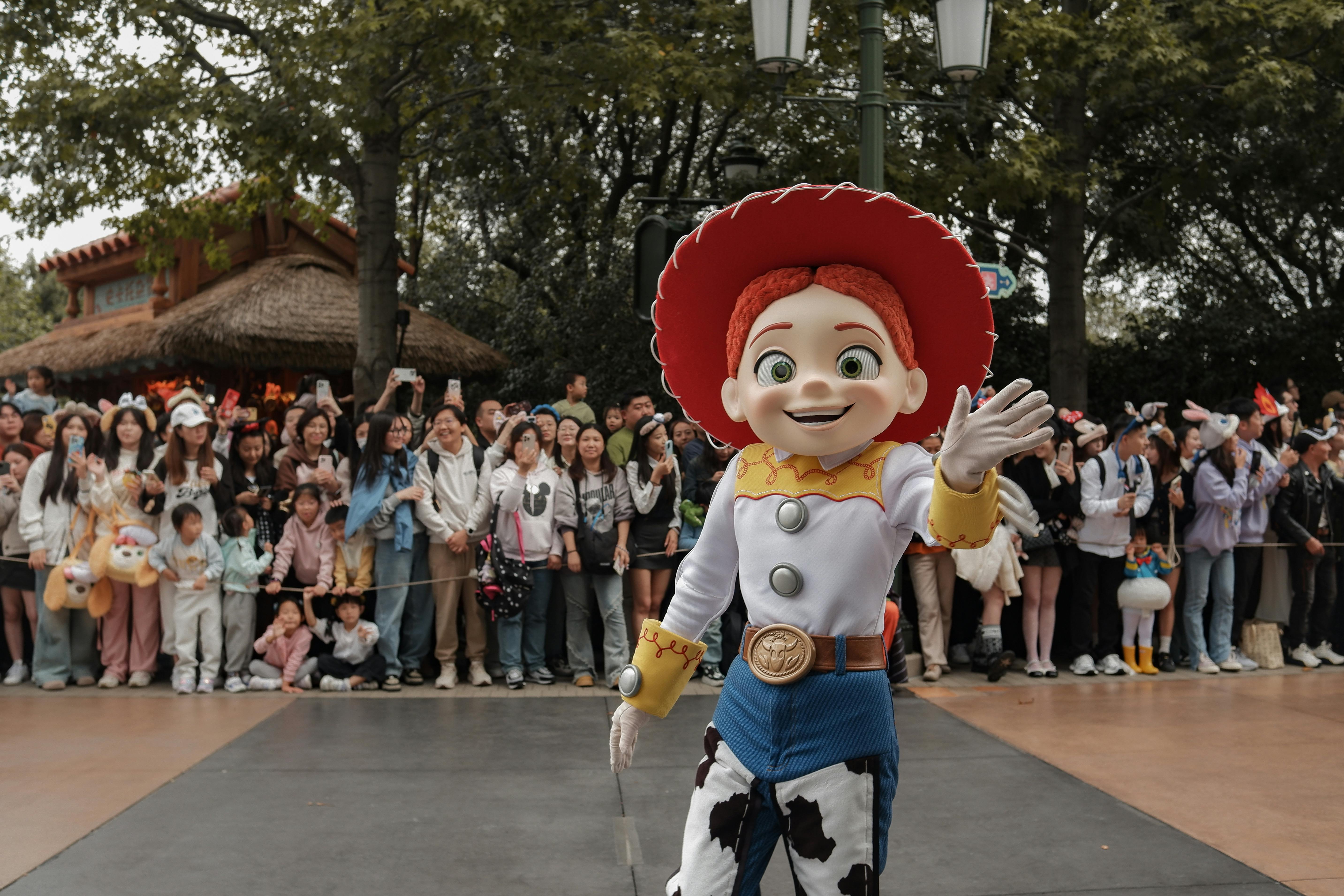
Very few animated franchises have the kind of built-in credibility that Toy Story has accumulated over three decades. Box Office Mojo’s franchise data shows that the series has already generated more than $1.32 billion in domestic box office alone across its releases, with Toy Story 4 standing as the top domestic earner in the franchise at $434.0 million. That kind of domestic history matters because it shows the property is not simply famous; it is repeatedly monetizable across generations. Parents who saw the original in 1995 are now bringing children of their own to the theater, a rare advantage in modern franchise filmmaking.
The last mainline installment set a particularly important benchmark. Toy Story 4 opened to $120.9 million domestically and finished with more than $1.07 billion worldwide, according to Box Office Mojo. Those numbers place it in elite family-film territory and prove that audience appetite did not vanish after Toy Story 3, which many viewers once assumed was the franchise’s natural ending point. Instead, Pixar demonstrated that the brand could survive the “why does this sequel exist?” skepticism and still turn into a four-quadrant hit.
That resilience is the real reason analysts and entertainment writers keep circling back to Toy Story 5 as a major summer force. The franchise is unusually strong in every area that drives theatrical success: recognition, emotional trust, merchandise potential, international accessibility, and repeat viewing. A family audience deciding where to spend money on a weekend often chooses certainty, and Toy Story offers exactly that. It promises humor for children, sentiment for adults, and a baseline expectation of quality that many newer animated originals struggle to establish on opening weekend.
Still, franchise power does not automatically equal all-time records. Even within its own series, Toy Story has had to grow into its biggest numbers over time, and the broader animation market has become more competitive and more volatile. Sequels can still break out, but they need more than nostalgia; they need urgency, cultural conversation, and wide demographic reach. Toy Story 5 clearly has the first two ingredients in sight and the third within reach, which is why the film should be viewed as a serious box office heavyweight. But the stronger, more defensible case is that it has a realistic path to become one of the summer’s top earners, not that it has already locked up every conceivable record before audiences have even bought the first wave of tickets.
Pixar’s recent rebound changed the stakes for every sequel that followed
The most important context for Toy Story 5 is Pixar’s recent return to top-tier box office form. Disney has stated that Inside Out 2 became the highest-grossing animated movie of all time globally, crossing $1 billion in just 19 days and posting one of the fastest animated climbs ever. Variety also reported during its run that the film passed Incredibles 2 to become the highest-grossing Pixar movie in history before its total rose even further. That performance did more than generate headlines; it reset expectations for what a Pixar sequel can do when audience demand, critical goodwill, and corporate marketing all align.
Inside Out 2 also gave Disney something even more valuable than a hit: proof that theatrical urgency around Pixar had returned. After a period in which pandemic disruptions, direct-to-streaming strategies, and uneven box office performance had made the brand feel less invincible, Inside Out 2 restored the perception that Pixar could still create must-see theatrical events. Disney later highlighted the film’s streaming success as well, noting 30.5 million global views in its first five days on Disney+, a sign that the title remained culturally sticky long after the theatrical run. For executives, exhibitors, and marketers, that kind of franchise afterglow becomes part of the setup for the next big release.
That is why Toy Story 5 is arriving under far brighter commercial conditions than it might have a few years earlier. The industry no longer views Pixar as a legacy brand trying to reclaim old glory; it sees a studio that has already demonstrated it can command family audiences at massive scale again. That changes theater confidence, promotional aggressiveness, and consumer expectations. A sequel from a “recovered” brand can outperform. A sequel from a “hot again” brand can become an event.
But renewed momentum also raises the bar. Once Inside Out 2 posted historic numbers, every headline about Pixar’s next sequel became more inflated. That is understandable, but it invites confusion between possibility and evidence. Toy Story 5 benefits enormously from Pixar’s rebound, and it may well ride that momentum to a huge global result. Yet it is also true that Inside Out 2 set an extraordinary standard, and extraordinary standards are difficult to repeat. Pixar is absolutely not playing around in 2026; the stronger case is that the studio has rebuilt the conditions for a mega-hit, not that a new all-time record is already guaranteed.
The “break every record” narrative is more marketing logic than verified data

Claims that Toy Story 5 is “tracking to break every box office record this summer” sound definitive, but verified public evidence for that specific phrasing is thin. Trade coverage and official Disney materials confirm the movie’s release date, trailer rollout, and broad campaign ambitions, but publicly available hard tracking figures have not established that the sequel is already on pace to topple all animated, Pixar, domestic, and global summer records. In entertainment coverage, phrases like “tracking big,” “expected to open strong,” and “record talk” often get flattened into certainties that the underlying data does not support.
Part of the confusion comes from how modern box office narratives are built. Studios launch teaser campaigns early, social media reacts instantly, trades report on excitement, and then fan commentary upgrades enthusiasm into pseudo-fact. A well-received teaser can become “big trailer numbers,” which then becomes “massive pre-sales,” which then turns into “record-breaking tracking,” even if no authoritative source has published the full chain. With Toy Story 5, the available evidence strongly supports major audience interest, but the strongest verifiable materials currently point to strategic positioning and brand confidence, not confirmed record-smashing forecasts.
There is also a category problem hidden inside the headline. “Every box office record” could refer to opening weekend, total domestic gross, worldwide animated gross, June animated opening, Pixar opening, summer family opening, or even trailer launch metrics. Those are all different records with different competitive landscapes. Some are theoretically reachable. Others would require a near-perfect release, exceptional international play, and repeat business on the scale of the very biggest animated sensations in recent memory. Lumping them together makes the claim sound more authoritative than it actually is.
That does not mean the core intuition behind the hype is wrong. Toy Story 5 has every reason to be treated as a major commercial threat to the rest of the summer slate. The release date is strong, the property is durable, Pixar is coming off renewed momentum, and Disney is marketing the film like a crown-jewel title. Those are exactly the ingredients that produce outsized openings and long legs. The correction is not that the movie lacks box office power. The correction is that, as of June 1, 2026, the evidence supports “serious blockbuster with major record potential” much more clearly than “already tracking to break every box office record this summer.”
What success would realistically look like for Toy Story 5 this summer
A realistic best-case scenario for Toy Story 5 is not hard to imagine. If the film opens near or above Toy Story 4’s domestic start, connects with both families and nostalgic adults, and lands strong audience scores, it could dominate multiple weekends and become one of the defining theatrical performers of summer 2026. Its June 19 release date gives it room to build momentum during school break season, and its premise is broad enough to play across domestic and international markets. Disney’s theatrical-only strategy should also help preserve urgency by keeping attention focused on cinemas rather than near-term streaming availability.
The domestic upside is especially notable because family titles with cross-generational appeal often benefit from steadier legs than front-loaded fan-driven blockbusters. Toy Story 4’s run showed how durable the franchise can be after opening weekend, and the larger franchise numbers underline that American and Canadian audiences continue to show up for these characters. If Toy Story 5 delivers an emotional hook equal to its commercial packaging, it can absolutely finish among Pixar’s biggest domestic performers and challenge the top end of the studio’s internal rankings. That alone would make it one of the year’s most significant theatrical wins.
Globally, the path is more complicated but still substantial. Reaching the heights of the biggest modern animated films requires strong overseas turnout, favorable competition, and broad appeal beyond core North American nostalgia. Toy Story is a global brand, and Disney has the infrastructure to sell it everywhere, but worldwide record territory is always crowded. Disney’s own recent benchmark titles show how difficult that summit is to reach. In practical terms, a run that places Toy Story 5 among Pixar’s largest worldwide releases would already validate the scale of Disney’s ambition, even if it stops short of rewriting every page of the record book.
So yes, Pixar is not playing around. Everything about the release plan, the creative leadership, the cast, and the marketing posture says Disney sees Toy Story 5 as a premier theatrical event. But the strongest, most defensible conclusion is this: the movie looks poised to be one of summer 2026’s biggest box office stories, with real upside to challenge major franchise benchmarks. That is exciting enough on its own, and unlike the louder headlines, it is a claim the available evidence can actually support.