

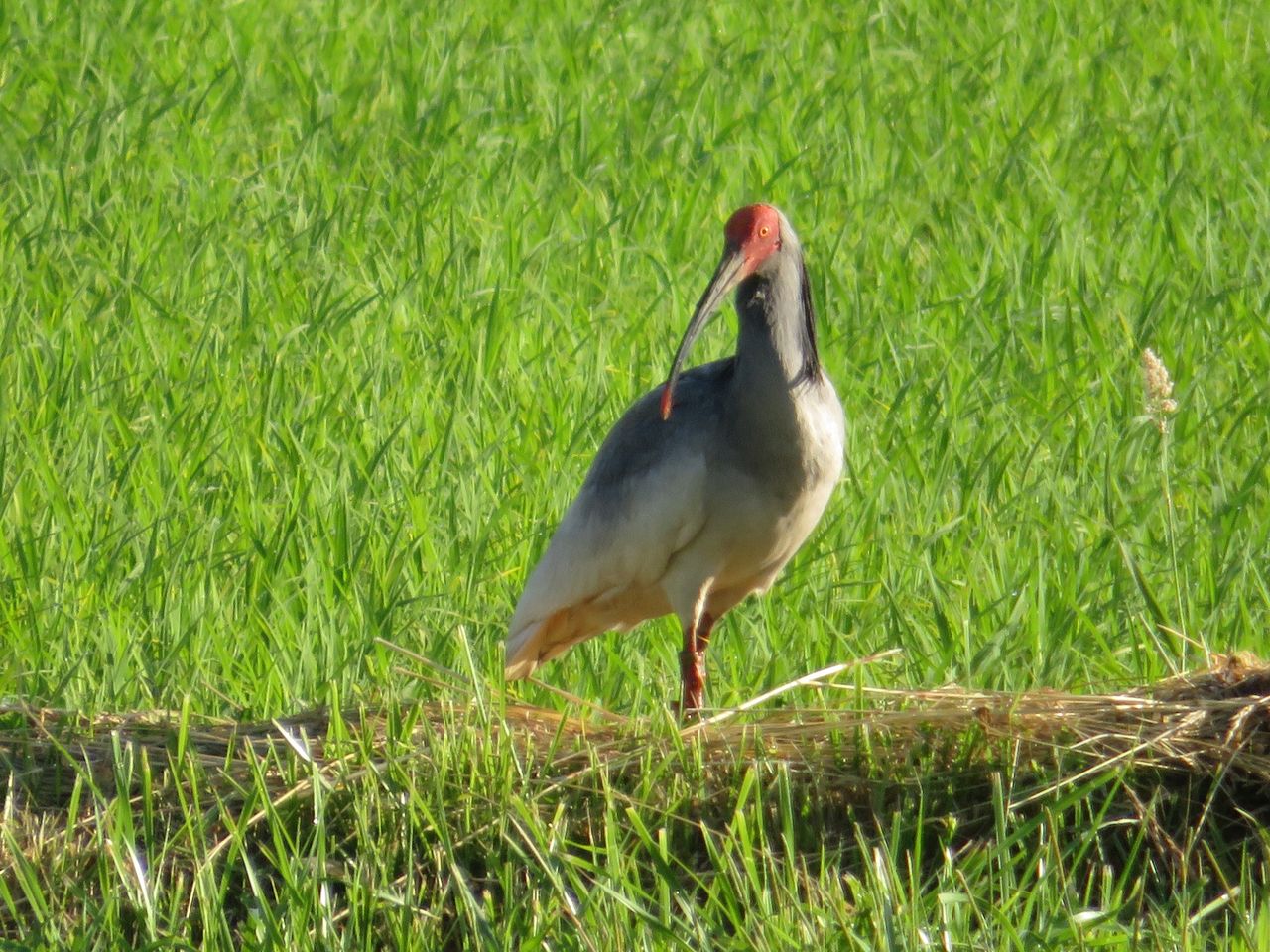
Some wildlife stories feel almost impossible until they happen in front of you. Japan’s latest crested ibis release is one of them.
A bird once lost to Japan is flying free again
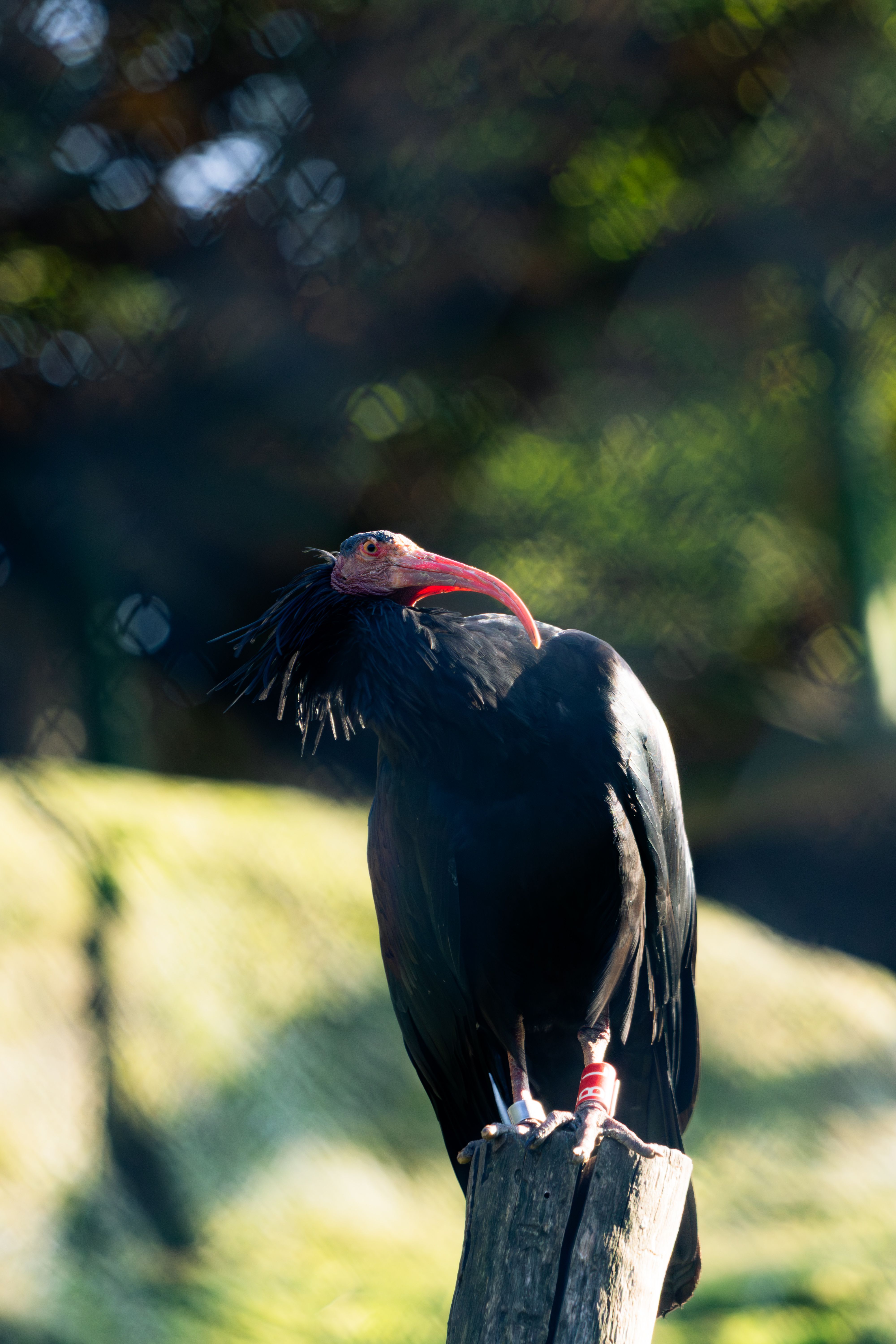
When eight crested ibises were released in Hakui, Ishikawa Prefecture, on June 1, 2026 local time, the moment carried far more weight than a routine conservation milestone. It marked the return of a bird that had vanished from Japan’s wild decades ago and whose fate once seemed sealed. The species, known in Japan as toki, had disappeared from Honshu in the 1970s after years of overhunting, pesticide use, wetland decline, and broader environmental degradation, according to reporting from AP and information long documented by Japan’s Environment Ministry.
The symbolism of the release was immediate. Hakui is in the Noto region, an area still associated in the public mind with the destruction and hardship left by the 2024 Noto earthquake. Releasing the ibises there turned the event into more than a biodiversity project. It became a visible act of renewal, one that linked ecological recovery with regional recovery and gave local residents a rare image of hope in a landscape that has spent the past two years rebuilding.
This was also historic for another reason: it was the first release of crested ibises on Japan’s main island of Honshu in roughly 56 years, according to multiple reports on the event. The birds themselves were raised at the conservation center on Sado Island in neighboring Niigata Prefecture, where Japan’s modern ibis restoration effort has been concentrated for years. Officials have said 10 additional birds are also being prepared for later release, suggesting this is not a one-off gesture but the opening stage of a broader reintroduction strategy.
To understand why many people are calling the moment miraculous, it helps to remember just how complete the collapse once looked. The last wild-born Japanese crested ibis, a bird named Kin, died on Sado Island in October 2003. By then, extinction in Japan was no longer a forecast. It was a reality. That is what makes the sight of eight white birds lifting into the sky over Honshu feel so extraordinary: the story has moved from mourning to managed return.
How Japan pulled a species back from the brink

The crested ibis recovery did not happen quickly, and it did not happen through sentiment alone. It required years of technical work in captive breeding, veterinary care, habitat engineering, and post-release monitoring. A crucial turning point came in 1999, when artificial breeding using a pair donated from China led to the first Japanese crested ibis chick successfully born in captivity, a development cited by the Environment Ministry and repeated in current coverage of the new release.
That Chinese connection is central to the story. By the late 20th century, the crested ibis had become one of East Asia’s rarest birds, but a remnant population survived in China and became the genetic lifeline for Japan’s program. Without that support, Japan’s domestic extinction would almost certainly have remained final. In conservation terms, this is one of the clearest examples of how international cooperation can rescue a species locally even after a nation has lost its wild population entirely.
Sado Island became the laboratory for rebuilding the bird’s future. Japan’s authorities, local governments, researchers, and conservation staff developed a reintroduction model that combined breeding enclosures, acclimatization training, rural habitat restoration, and intensive tracking after release. The first group of 10 captive-bred ibises was released there in 2008. At the time, the move was cautious and heavily scrutinized, because releasing birds is always the most vulnerable stage in any restoration effort. A captive population can be protected; a wild one must survive weather, predators, food scarcity, and human-altered landscapes.
Yet the program gradually produced the result conservationists most wanted to see: not just survival, but reproduction in the wild. Wild nesting on Sado became one of the strongest signs that the species was doing more than persisting under human supervision. It was beginning to behave like a restored wild population. Today, the wild and semi-wild population associated with Sado has grown to around 500 birds, according to the Environment Ministry figures cited by AP and other outlets. That figure does not mean the species is fully secure, but it does show that Japan is no longer trying to save a memory. It is now managing a living comeback.
Why the crested ibis matters far beyond birdwatching

The crested ibis is not just another rare bird in Japan’s conservation catalog. It occupies a cultural and emotional space that makes its recovery unusually resonant. With its white body, pinkish-orange wash beneath the wings, and distinctive red face, the species is visually striking, but its significance runs deeper than appearance. It has long been treated as a symbol of the satoyama landscape, the traditional mosaic of rice paddies, wetlands, woodlands, and village-managed countryside that once supported rich biodiversity across rural Japan.
That association helps explain why the bird’s disappearance felt like a warning about more than one species. When the ibis vanished, it reflected the unraveling of an entire ecological system. Traditional rice farming had changed, wetlands had been reduced or polluted, and pesticides had diminished the frogs, insects, and small aquatic life the birds depend on. In that sense, restoring the ibis has always meant restoring habitat processes, not just breeding attractive birds in captivity. The species is a test of whether agricultural landscapes can once again support wildlife at scale.
This is why conservation planners focused so heavily on Sado and now on Noto. These are not isolated wilderness reserves. They are lived-in rural environments where people farm, maintain waterways, and shape the landscape every day. Successful reintroduction therefore depends on cooperation from communities as much as on scientific expertise. Farmers may need to adjust water management, reduce chemical inputs, or preserve feeding grounds. Local governments must balance tourism, infrastructure, and habitat protection. Conservation succeeds only if the countryside remains biologically productive enough for ibises to find food and breed.
There is also a diplomatic dimension. The survival of the species in Japan is intertwined with China’s earlier role in supplying birds for breeding, a fact often described as a form of wildlife diplomacy. In a region where historical and political tensions are real, the crested ibis offers a rare example of shared stewardship producing visible results. That does not erase geopolitical complexity, but it does demonstrate something powerful: a bird once nearly gone from the Earth has been brought back partly because national borders did not prevent ecological cooperation.
Why this Honshu release is being treated as a turning point
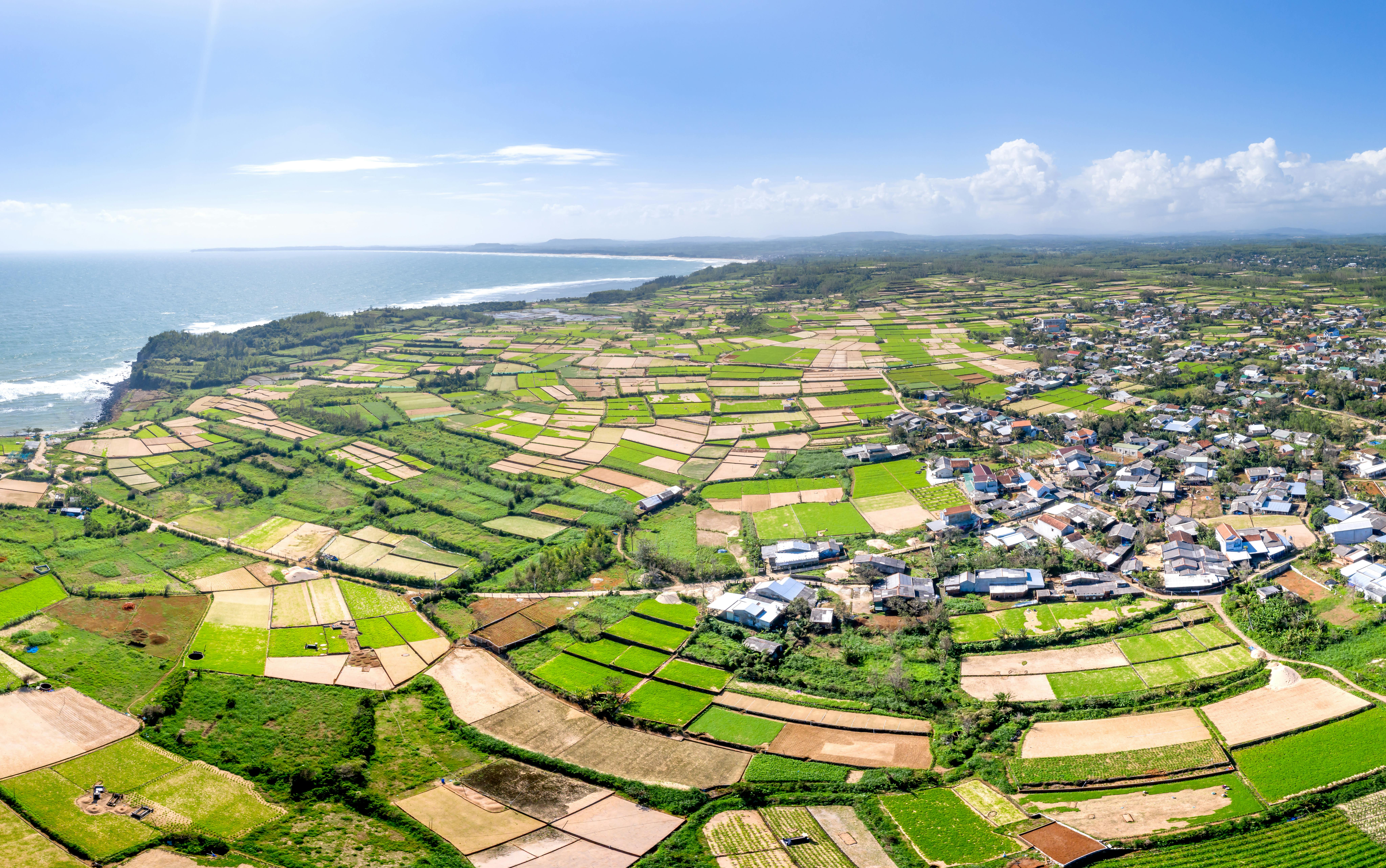
Until now, modern Japan’s ibis recovery story has largely belonged to Sado Island. That made sense in the early years, because island geography can help conservationists control risk, monitor movement, and build a stable source population before expansion. But a recovery confined to one area remains fragile. A disease outbreak, extreme weather event, food shock, or habitat disruption in a single location can undo years of progress. Moving the species beyond Sado is therefore not just symbolic expansion. It is a core test of long-term resilience.
Hakui’s selection reflects that logic. The Noto region offers a rural environment that officials believe can support the species, while also reconnecting the bird to a part of Japan where it once lived naturally. Reintroduction on Honshu broadens the ecological map of recovery and asks a harder question than earlier releases did: can the crested ibis once again become part of mainland Japan’s functioning countryside, rather than a conservation success limited to one managed stronghold? If the answer becomes yes, the species will have crossed an important threshold.
The number released, eight birds, may sound modest, but small releases are standard in carefully managed reintroduction programs. Each bird is valuable, each movement matters, and each survival outcome informs future strategy. Reports noted that another 10 birds are awaiting release, underscoring the phased nature of the effort. Conservationists typically prefer iterative expansion over dramatic mass release, because data from early birds can guide where, when, and how the next groups should be introduced.
Public response also matters here. Residents reportedly cheered as the birds flew free, and the presence of Crown Prince Akishino and Princess Kiko gave the ceremony national visibility. That kind of attention can strengthen political and financial support for long-term habitat management, which is often less glamorous than release day but far more important in practice. If people see the ibis as a symbol of recovery, they may also be more willing to support the fieldwork, farming partnerships, and land-use compromises that true recovery requires. In that way, the release becomes both a biological event and a public contract.
What has to happen next for the miracle to last
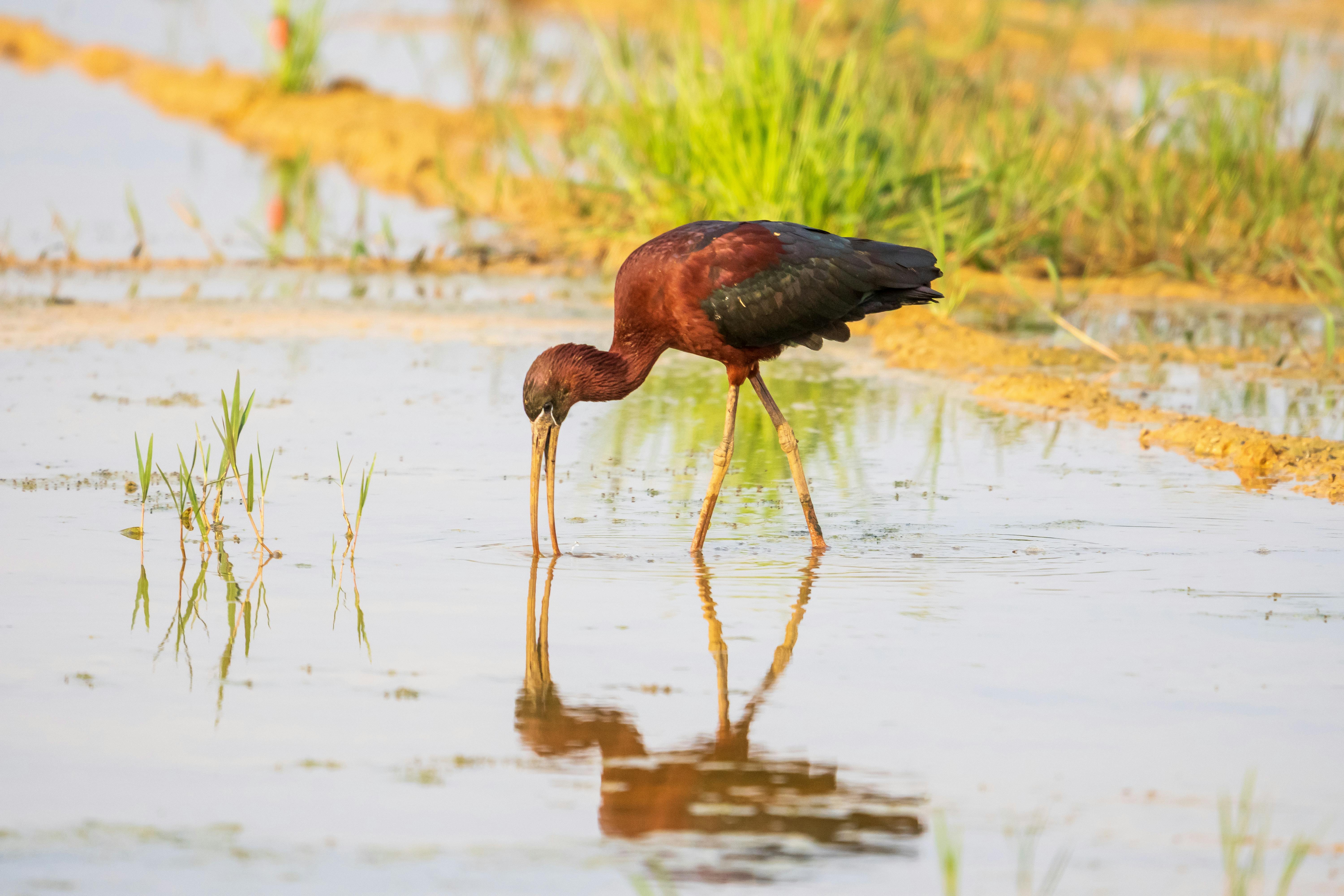
Calling the return of the crested ibis a miracle captures the emotion of the moment, but miracles in conservation still need maintenance. The hardest part of species recovery usually begins after the cameras leave. Released birds must establish feeding territories, avoid hazards, survive winter conditions, and eventually reproduce. Young birds born in the wild then have to repeat that cycle without intensive human intervention. The real measure of success in Hakui will not be how beautifully the birds flew on release day, but whether they remain, breed, and contribute to a self-sustaining population.
That means habitat quality will determine everything. Crested ibises feed on small animals in wet rice paddies, ditches, and marshy ground, so agricultural policy is inseparable from bird recovery. If rural depopulation accelerates, if farming becomes less habitat-friendly, or if land management grows more intensive, the ecological foundation beneath the reintroduction could weaken. Japan’s ibis program has already shown that recovery requires more than captive breeding; it requires landscapes where insects, loaches, frogs, and other prey species are abundant enough to support wild birds year after year.
There are also genetic and population-management questions. A population of around 500 on Sado is encouraging, but conservation biologists will still be watching diversity, dispersal patterns, breeding success, and mortality risks closely. Expanding into Honshu may help reduce concentration risk and encourage a more robust regional population structure. It may also reveal new problems, from collisions with infrastructure to differing food availability across seasons. In other words, this release is not the final chapter of the story. It is the beginning of a more demanding phase.
Still, moments like this deserve to be recognized for what they are. Japan lost the crested ibis in the wild, watched its last native bird die, and then spent decades building a path back through science, patience, and international cooperation. On June 1, 2026, that effort produced one of conservation’s rarest sights: a species once considered gone returning to the open sky over part of its former home. If people are calling it a miracle, that is understandable. What makes it even more remarkable is that this miracle was built, step by careful step, by human hands.