

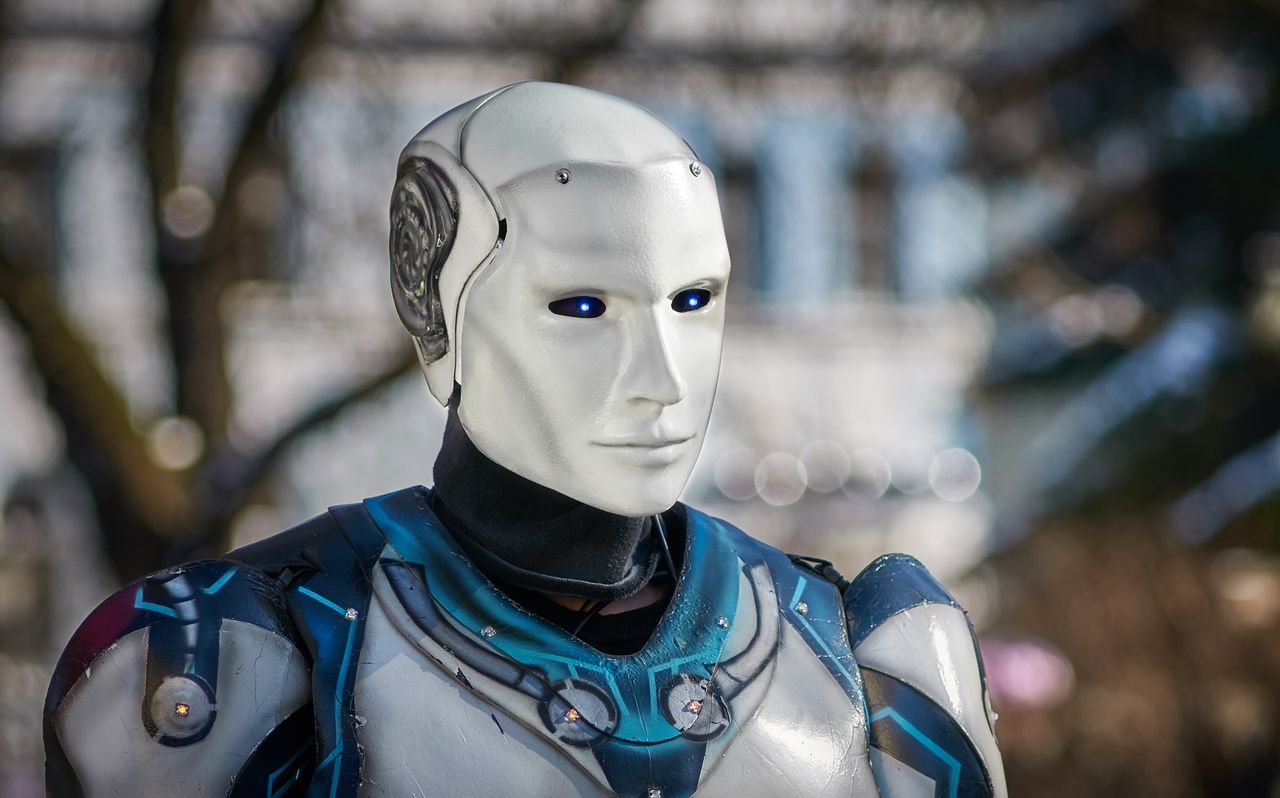
As Washington and Beijing intensify their competition over artificial intelligence, semiconductors and advanced manufacturing, federal agencies are using national security powers more aggressively to restrict foreign technology in the U.S. market. That broader push narrowed on July 28, when the Federal Communications Commission moved to block new imports of foreign-made humanoid robots, a category expected to hit Chinese manufacturers hardest, according to the FCC and reporting from the Associated Press. The decision places robotics alongside other connected technologies the administration has said could create unacceptable risks if deployed inside U.S. networks and critical infrastructure.
FCC adds advanced robots to restricted list
The Federal Communications Commission said Tuesday, July 28, that it would ban the import of foreign-made humanoid robots and quadruped robots by adding advanced robotic devices to its Covered List, the federal roster for equipment deemed to pose an unacceptable national security risk. According to the Associated Press and Axios, the same action also swept in foreign-made power inverters, expanding the administration’s restrictions beyond communications hardware into connected industrial and consumer systems. FCC Chairman Brendan Carr said the move was intended to secure critical U.S. supply chains.
The scale of the targeted market is significant because China dominates current humanoid robot production. The Associated Press, citing Omdia, reported that about 15,000 humanoid robots were shipped globally in 2025, with China’s Unitree and AGIBOT each shipping more than 5,000 units. By comparison, U.S. developers including Tesla and Figure AI shipped only a few hundred units or fewer, according to that report.
The new restriction focuses on future imports rather than every robot already in operation. Axios reported that some foreign manufacturers may still be able to sell products in the United States if they receive conditional approval from federal officials. That means the immediate effect is clearest for new market entries and pending product shipments, while the full compliance details will depend on how the FCC and other agencies implement the rule.
The administration’s announcement is national in scope, but its practical effect will be felt most directly in the U.S. robotics market, where Chinese-made systems have been among the most available lower-cost options for developers, researchers and commercial buyers. The Associated Press reported that Chinese manufacturers have scaled production and reduced costs faster than many overseas competitors, giving them a large share of global humanoid deployments. That pricing gap has made China an important supplier even as U.S. policy has turned more restrictive.
What is confirmed is that new foreign-made humanoid and quadruped robots now face a federal barrier to importation under the FCC action. What is not yet publicly clear is which specific models, distributors or end users in the United States will be affected first, because the government has not released a comprehensive public list of every product line implicated by the decision. No full state-by-state breakdown of affected inventory, research deployments or pending commercial orders had been publicly detailed as of Wednesday.
The move could also complicate existing cross-border technology relationships. The Associated Press noted that Nvidia in June revealed a humanoid robot reference design using the chassis of Chinese robot maker Unitree, showing how intertwined parts of the supply chain remain. That does not necessarily mean those arrangements are barred in every form, but it underscores how the new policy reaches into an industry that still depends on multinational sourcing.
U.S. officials have tied the decision to cybersecurity, espionage and infrastructure concerns rather than to tariffs or traditional trade policy alone. Axios reported that the administration said advanced robots’ networked capabilities could be exploited to spy on Americans, strengthen foreign intelligence collection or be remotely commandeered by malicious actors. In the same announcement, officials also argued that connected power inverters create vulnerabilities for the electrical systems that support data centers and other critical infrastructure.
The policy also builds on a broader Washington consensus that Chinese-controlled emerging technologies deserve tighter scrutiny. The U.S.-China Economic and Security Review Commission recommended that Congress consider restricting or banning imports of autonomous humanoid robots controlled by Chinese entities, alongside certain energy infrastructure products, as part of its recommendations on emerging technology competition. Separately, the Pentagon recently placed Unitree on its list of firms it said have ties to the Chinese military, according to the Associated Press.
For U.S. buyers, the immediate takeaway is that future access to low-cost imported humanoid robots may narrow while domestic and approved foreign alternatives gain importance. The administration has said some approvals may still be possible, but officials have not outlined a broad exemption program for the public. For now, the federal position is that connected robotic systems belong in the same national security conversation as drones, routers and other networked devices that can collect data or be controlled remotely.