

El Niño is not a distant possibility anymore. According to the United Nations’ weather agency, it is developing now, and that means the window for preparation is already open.
What the UN actually said, and why it matters

On June 2, 2026, the World Meteorological Organization said El Niño conditions are developing and are likely to influence global temperature and rainfall patterns in the coming months. Its latest update put the chance of an El Niño event at 80% during June through August 2026, with probabilities near or above 90% that it would continue until at least November. WMO also warned that above-average temperatures are forecast across nearly all land areas for June to August.
That matters because WMO is not issuing a casual seasonal outlook. Its El Niño and La Niña updates are among the most authoritative climate guidance products used by governments, aid agencies, and climate-sensitive industries. When the agency says the time for “informed decision-making, planning and preparedness is now,” it is signaling that the science is strong enough to justify action before the worst disruptions arrive.
This is also a reminder that El Niño tends to amplify heat in a world already warmed by human-caused climate change. WMO has emphasized that El Niño typically pushes up global temperatures and can intensify weather extremes, with the biggest global temperature effects often showing up in the year after development. That pattern was visible during the 2023-24 event, which WMO now describes as one of the five strongest on record and one that contributed to record global temperatures in 2024.
The phrase “officially on its way” can sound abstract, but the practical meaning is simple. Warmer waters in the tropical Pacific are shifting atmospheric circulation, and those shifts can change rainfall belts, storm tracks, drought risk, marine conditions, crop prospects, and public health threats far from the equator. El Niño is not the only force shaping weather, but it is one of the few large-scale climate patterns that can be tracked months in advance.
That lead time is exactly why scientists and humanitarian planners treat it as a preparedness story, not just a forecasting story. If conditions are likely to alter rainfall and heat patterns across continents, then farmers can change planting choices, cities can review heat plans, health systems can prepare for disease and dehydration risks, and water managers can adjust reservoir operations. The UN’s warning is significant because it turns climate information into a timetable: preparation should begin before impacts become emergencies.
How El Niño reshapes weather around the world
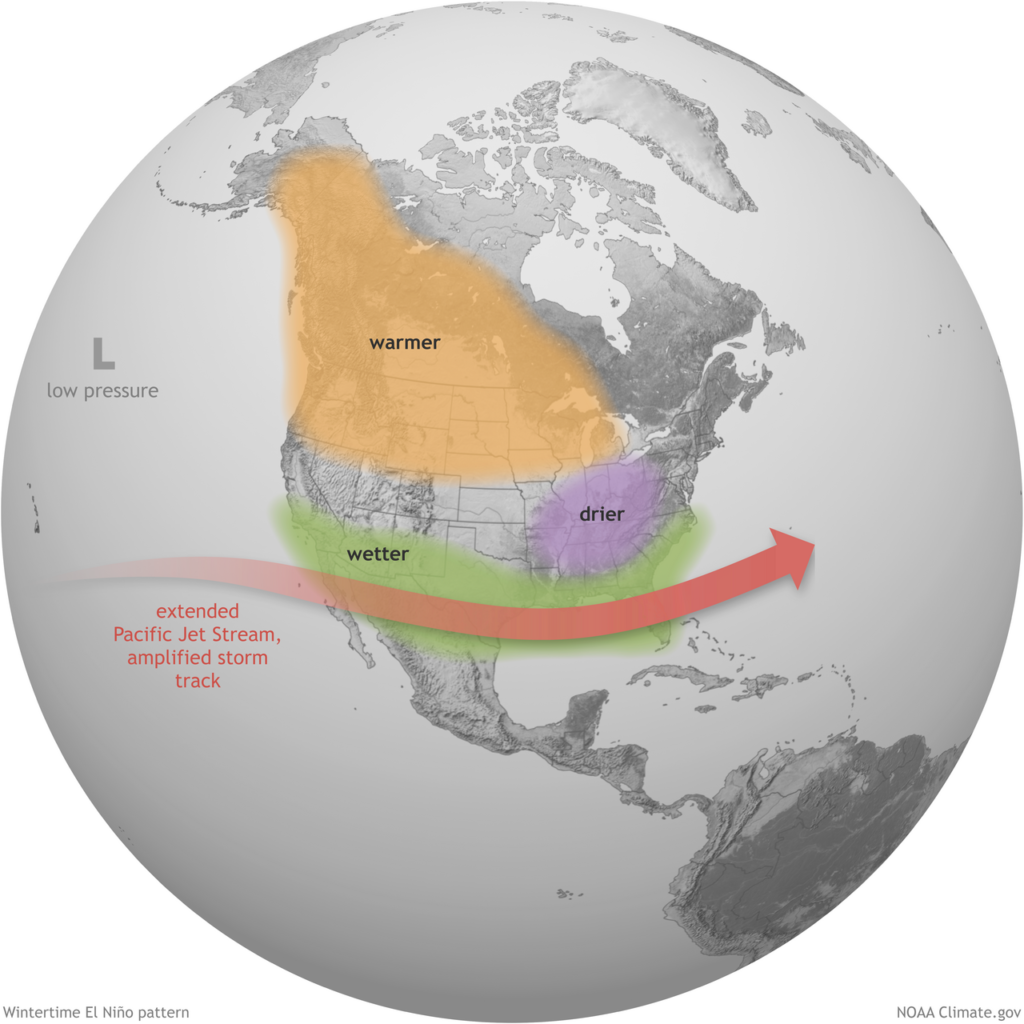
El Niño begins in the tropical Pacific, where unusually warm surface waters alter the exchange of heat and moisture between ocean and atmosphere. NOAA explains that this ocean-atmosphere pattern, part of the El Niño-Southern Oscillation, influences temperature and precipitation worldwide. In plain terms, a patch of abnormal warmth in one ocean basin can redirect jet streams and shift where storms form, where rain falls, and where dry spells persist.
Its effects are never identical in every event, but the broad fingerprints are well established. NOAA says El Niño can bring wetter conditions to parts of the southern United States from fall through spring, while the northern U.S. and Canada often trend warmer and drier than usual in winter. Elsewhere, some regions see drought intensify, while others face flood risk from heavier rains and more volatile storm behavior.
The global picture is even more consequential. WMO has repeatedly warned that El Niño affects weather and storm patterns in many parts of the world and raises the likelihood of extreme heat, both on land and in the ocean. That ocean heat matters in its own right, stressing coral reefs and marine ecosystems while also feeding back into coastal economies that depend on fisheries and tourism.
Recent history offers a vivid preview. The 2023-24 El Niño helped drive damaging drought across parts of Latin America and the Caribbean, according to WMO. In Brazil’s Amazon, the Negro River at Manaus fell to its lowest level in more than 120 years of observations, while the Panama Canal faced severe shipping disruption as drought reduced water availability. Separate reporting and attribution research later tied Panama’s rainfall shortfall primarily to El Niño, showing how a climate pattern can cascade into global trade bottlenecks.
That is why preparedness cannot focus only on whether a season will be hotter or wetter than average. The real issue is how a shift in probabilities interacts with vulnerable systems. A modest rainfall deficit can become a food crisis where irrigation is weak. A few degrees of extra heat can become a public health emergency in dense cities. An ocean-driven drought can become a supply-chain problem when it slows one of the world’s most important shipping routes. El Niño’s power lies less in a single dramatic event than in the way it pushes already stressed systems closer to failure.
The risks to food, water, health, and economies
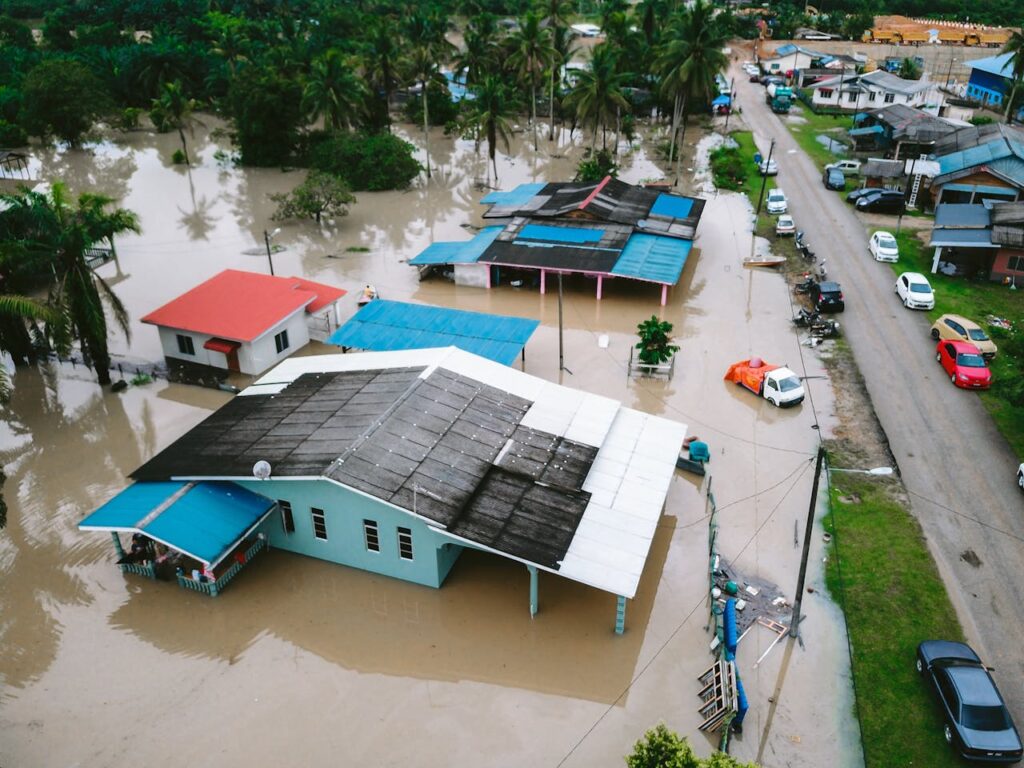
Food security is often one of the first major concerns because agriculture sits directly in the path of rainfall and temperature swings. The Food and Agriculture Organization describes El Niño as a high-risk climate hazard for food production, especially for farmers, pastoralists, fishers, and other small-scale producers whose livelihoods depend on stable seasons. Because the phenomenon can usually be predicted months ahead, FAO argues that anticipatory action is not just possible but essential.
The organization’s warnings are grounded in experience. FAO has noted that the 2015-16 El Niño affected more than 60 million people in around 23 countries, and more recent UN assessments say the 2023-24 event was one of the strongest on record. When rains fail, crops wither, pasture degrades, livestock health suffers, and household food prices can rise quickly. When heavy rains arrive instead, they can destroy fields, spoil stored grain, and damage roads needed to get food to market.
Health risks rise at the same time. The World Health Organization says ENSO events have been linked to heat stress, wildfire smoke exposure, vector-borne disease risk, drought-related health effects, and nutritional impacts. WHO also notes that climate-related stressors such as water scarcity, food insecurity, displacement, and flooding can increase the risk of disease outbreaks and mental health strain. In other words, El Niño is not just a weather story; it is a multiplier of public health vulnerability.
Heat is one of the clearest pathways. WHO describes heat stress as a leading cause of weather-related deaths and warns that excessive heat can worsen cardiovascular, respiratory, kidney, and mental health conditions. If El Niño pushes baseline temperatures higher over coming months, countries already grappling with recurring heat waves may see hospitals, power systems, and social services come under more pressure.
Economic damage follows naturally from these physical and health shocks. Crops fail, insurance losses mount, hydropower output can wobble, transportation corridors are disrupted, and emergency spending rises. The Panama Canal disruptions during the last major El Niño period illustrated how a climate anomaly in one region can ripple through shipping schedules, commodity flows, and business costs around the world. When the UN urges preparation, it is partly because the cost of acting early is usually far lower than the cost of repairing losses afterward.
Why early preparation works better than late response
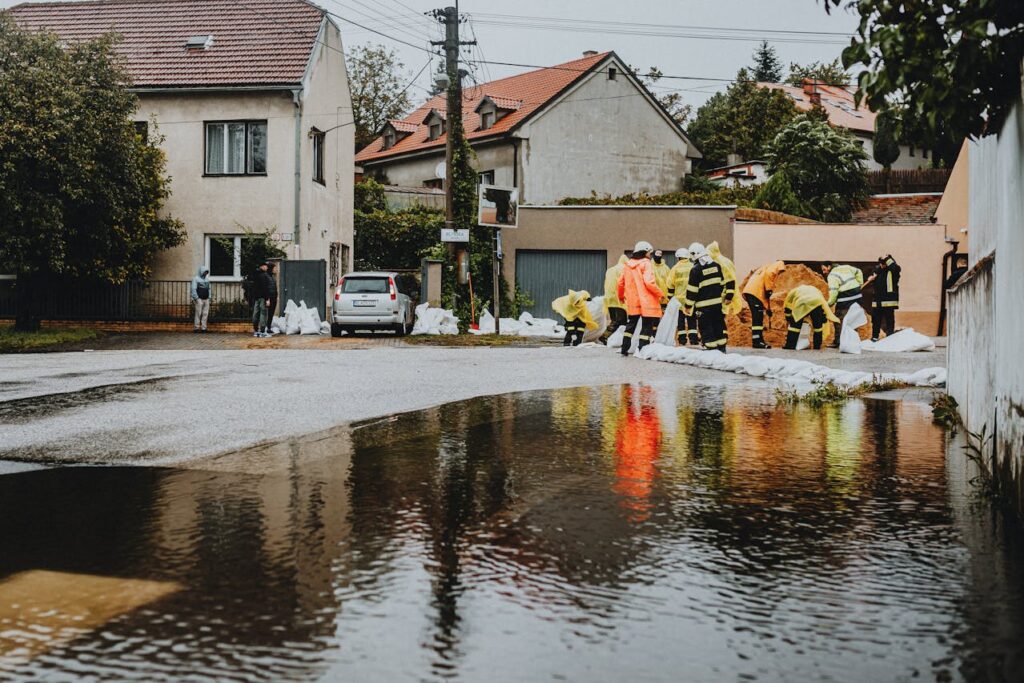
One of the most important facts about El Niño is that it develops slowly enough to be forecast in advance. That makes it unusually actionable compared with many sudden-onset disasters. WMO, NOAA, and FAO all emphasize that early warnings can support decisions that protect lives and livelihoods. The challenge is not whether the world can see the risk coming, but whether institutions move quickly enough to reduce damage before it arrives.
In agriculture, that can mean distributing drought-tolerant seeds, adjusting planting calendars, protecting livestock health, and pre-positioning feed or water support. FAO has built anticipatory action plans around exactly these kinds of measures, from reinforcing animal health surveillance to helping communities safeguard productive assets before climate shocks hit. The logic is straightforward: protecting food at its source is usually more effective and less expensive than trying to rebuild livelihoods after harvests fail.
In cities and health systems, preparation looks different but follows the same principle. Governments can expand heat alert systems, review cooling center capacity, ensure backup power for clinics, stock essential medicines, and communicate clearly with vulnerable populations. WHO guidance on heat and climate-related health risks underscores the importance of protecting older adults, people with chronic illnesses, and communities with limited access to safe housing, water, or medical care.
Water and energy managers also have a narrow but valuable planning window. Reservoir operations, groundwater use, wildfire staffing, and electricity demand planning all benefit from seasonal outlooks. Even when forecasts cannot predict every local impact perfectly, they can still shift agencies from reactive mode to risk management mode. That is often the difference between controlled disruption and cascading crisis.
The lesson from recent El Niño episodes is that forecasts alone do not save lives. Institutions do. A warning becomes useful only when it triggers decisions about budgets, staffing, supply chains, infrastructure, and public communication. The UN’s message is urgent because preparedness delayed by even a few months can miss the chance to protect crops before planting, manage water before shortages deepen, or reinforce health systems before heat and disease burdens spike.
That is why “prepare now” is more than a headline phrase. It is a recognition that some of the most effective interventions happen before the public sees visible signs of trouble. By the time reservoirs are depleted, prices are surging, or hospitals are overwhelmed, the cheapest and most humane options are already gone.
What governments, businesses, and households should do next

For governments, the first priority is to treat El Niño as a cross-sector risk rather than a narrow weather issue. Seasonal climate information should be shared quickly among agriculture, health, water, energy, transport, and emergency management agencies. WMO’s updates are designed for exactly this kind of coordinated planning, and recent UN guidance makes clear that the strongest response is one that links forecasting to early warning systems and practical action on the ground.
Businesses need to think beyond immediate weather exposure and examine supply-chain sensitivity. Companies dependent on agricultural inputs, freshwater availability, stable shipping routes, or outdoor labor should be stress-testing operations now. The last strong El Niño offered a clear case study: drought near the Panama Canal did not only affect canal operators, it affected freight schedules, logistics costs, delivery times, and downstream pricing. Climate risk is increasingly an operational risk.
For communities and households, preparation is simpler but still important. In areas prone to heat, that means reviewing cooling plans, checking on older relatives, and understanding local alerts. In drought-prone regions, it means paying attention to water advisories and agricultural guidance. In flood-prone areas, it means refreshing emergency kits, drainage maintenance, and evacuation awareness before storms become imminent threats.
None of this means every place will experience disaster. El Niño changes odds, not destiny, and local outcomes will still depend on regional climate patterns and resilience. But preparedness is about managing elevated probability before it turns into loss. A forecasted risk that does not materialize is not wasted preparation if the same actions strengthen resilience for the next shock.
The most important takeaway from the UN’s latest warning is that El Niño should not be understood as a temporary curiosity of the Pacific. It is a global stress test arriving in an era of hotter background temperatures, tighter water systems, and more exposed infrastructure. The science is strong, the lead time is usable, and the consequences of delay are well known. The world does not need to panic, but it does need to prepare.