

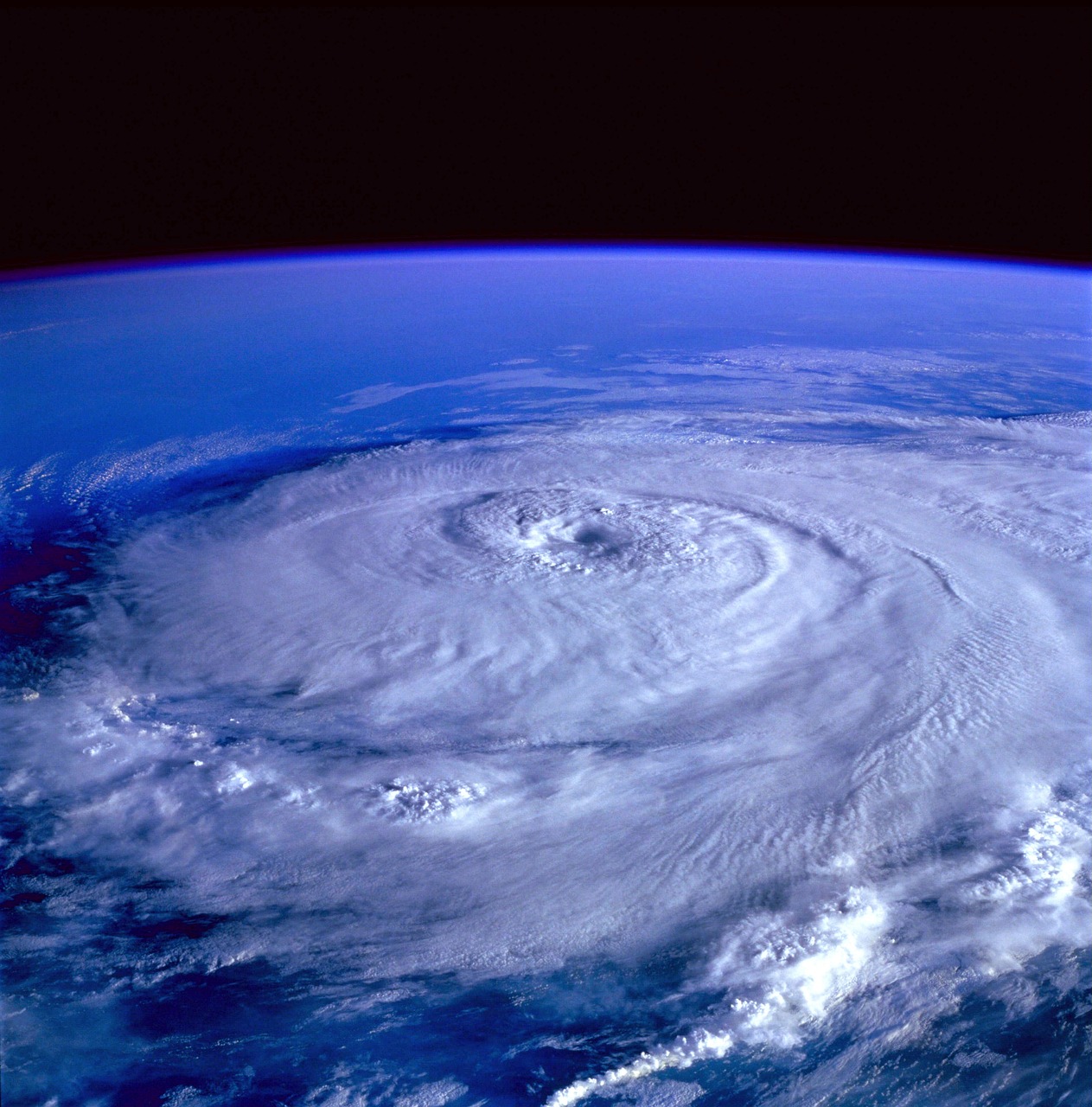
A quiet start to the Eastern Pacific season may not last much longer. The National Hurricane Center is now tracking a disturbance off Baja California that has become one of the basin’s clearest early-season candidates for tropical development.
What the National Hurricane Center Is Seeing Right Now

The system drawing forecasters’ attention is located well southwest of the Baja California Peninsula, in the eastern Pacific basin monitored by the National Hurricane Center. In its latest outlook, the agency raised the disturbance’s 7-day formation odds to 90 percent, signaling a high likelihood that the broad area of low pressure will consolidate into at least a tropical depression this week. That high-end probability is important because the NHC does not assign 90 percent casually; it reflects growing confidence that the environmental setup is favorable and that organization is already underway.
Recent outlooks show how quickly the forecast evolved. Just days earlier, the same area carried lower odds, with forecasters describing gradual development as possible while the disturbance moved westward or west-northwestward over open water. By June 1, the outlook had become more aggressive, with the NHC archive showing a high 90 percent chance of formation through 7 days. That kind of increase usually means forecasters are seeing better clustering of showers and thunderstorms, improving low-level spin, or a more supportive large-scale environment in the models.
What matters most for residents along land areas is where the system forms and where it travels. At this stage, the disturbance is expected to remain far offshore, away from the Baja California coast and mainland Mexico, while tracking generally westward to west-northwestward. That projected motion reduces the immediate risk of direct land impacts, but it does not make the system irrelevant. Early-season Pacific storms can still generate rough surf, hazardous marine conditions, and changing forecast concerns if they strengthen faster than expected or deviate from the anticipated track.
The context also matters. The eastern Pacific hurricane season officially began on May 15, and climatology favors development in waters off southwestern Mexico and farther offshore as ocean temperatures warm and atmospheric moisture deepens. NOAA’s broader 2026 eastern Pacific outlook also points to an above-average environment for activity, with forecasts centered above the 1991-2020 median. In that sense, this disturbance is not an isolated curiosity. It is a sign that the basin may be beginning to wake up in a season that forecasters already expected to be active.
Why Formation Chances Have Climbed So Sharply
A tropical system needs more than warm water to develop, and that is where this setup has become increasingly interesting. The disturbance is moving over sufficiently warm sea-surface temperatures, but just as important, the surrounding atmosphere appears moist enough to support repeated thunderstorm bursts. Tropical cyclones depend on those thunderstorms to build and maintain a core. When forecasters increase formation odds from moderate to high, it usually means the storm is finding a more stable engine for persistent convection rather than producing only scattered, short-lived bursts.
Wind conditions aloft are another critical factor. Strong vertical wind shear can rip thunderstorms away from a developing low-pressure center and prevent organization. In this case, forecast guidance suggests the shear environment is manageable enough for the circulation to gradually tighten. That does not guarantee rapid intensification, but it does support the more basic step of formation. The NHC’s language about a tropical depression forming during the middle part of the week is consistent with a pattern in which the system slowly organizes while remaining over open ocean.
Large-scale climate signals may also be helping. NOAA’s Climate Prediction Center said in its 2026 eastern Pacific seasonal outlook that waters in some key development zones have been warmer than average, with sea-surface temperature anomalies running roughly 0.5° to 1.5°C above normal in areas where many eastern Pacific storms form. Warmer-than-average water does not automatically create a cyclone, but it increases the amount of heat energy available once a disturbance becomes organized enough to tap it. That broader background can raise the ceiling for development when a favorable weather pattern appears.
There is also a practical forecasting reason the odds rose to 90 percent: model agreement. When several model solutions point toward the same outcome, forecasters gain confidence even if they still disagree about exact timing or intensity. That appears to be the case here. Coverage from weather specialists and news outlets tracking the outlook noted that the disturbance had become the primary area of interest in the eastern Pacific and that conditions were increasingly supportive of development this week. In short, the jump to 90 percent reflects both what forecasters are observing now and what the guidance suggests is likely next.
What This Could Mean for Baja California, Mexico, and Pacific Shipping

For now, the most likely scenario keeps the developing system far enough from land to spare Baja California and the Mexican mainland from a direct strike. That distinction matters because “off Baja California” can sound more threatening than the current forecast actually is. The disturbance is not hugging the coastline; it is well offshore, and the projected motion takes it farther west or west-northwest over the open Pacific. Unless the track shifts substantially, the main short-term impacts on land would be indirect rather than destructive.
Even so, indirect effects deserve attention. Long-period swells generated by strengthening tropical systems can travel far from the storm’s center and create dangerous surf and rip currents along parts of the Pacific coast. Mariners face another layer of risk. Commercial shipping, fishing fleets, and smaller vessels operating in the eastern Pacific often feel the effects of developing tropical systems before any coastline does, especially through building seas, squalls, and reduced visibility. Offshore interests typically monitor these outlooks closely because a storm does not need to make landfall to become a serious operational problem.
For Baja California specifically, the current setup is more of a watch-and-monitor situation than an immediate emergency. If the system intensifies and expands in size, forecasters will also watch for any change in the steering pattern that could bend the track more northward. That is not the leading expectation right now, but early-stage tropical disturbances can surprise forecasters when their centers reform or when surrounding high-pressure patterns shift. A 90 percent chance of formation says a cyclone is likely to form, not that every part of its later path is settled.
There is also a seasonal reminder embedded in this event. Eastern Pacific storms often begin far from land, organize quickly over warm water, and then either head harmlessly west or curve closer to Mexico depending on atmospheric steering. Residents and travelers in coastal Mexico and Baja California do not need to panic over this system, but they do need to remember that the season is underway. The best time to revisit evacuation plans, insurance details, marina procedures, and local alert settings is before a storm turns toward shore, not after one suddenly appears in the forecast cone.
How This System Fits Into the 2026 Hurricane Season
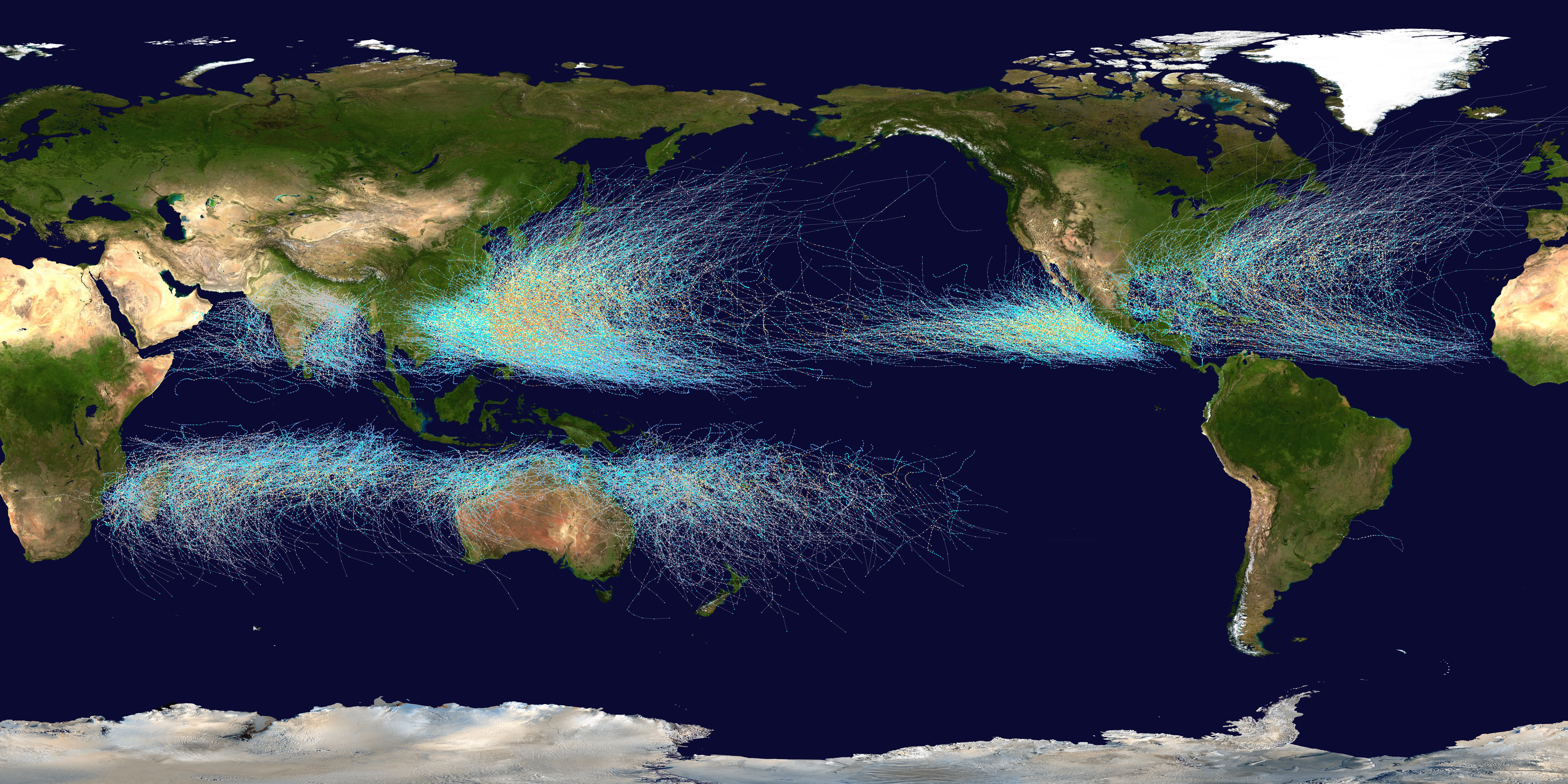
This disturbance arrives at a moment when forecasters are already watching for a potentially active eastern Pacific season. NOAA’s seasonal outlook for 2026 called for activity above the long-term median, with the expected range of named storms, hurricanes, and major hurricanes leaning above historical averages. That does not mean every early-season disturbance will become a dangerous cyclone, but it does mean the basin is entering a background state that supports more development opportunities than usual. An early June system with a 90 percent formation chance fits neatly into that larger picture.
The timing is notable as well. The eastern Pacific season begins earlier than the Atlantic season, opening on May 15 rather than June 1. That makes the basin a frequent source of the first tropical activity in North America each year. While the Atlantic often dominates public attention because of U.S. landfall risk, the eastern Pacific can produce storms sooner and in greater numbers. Systems that form south or southwest of Mexico sometimes stay at sea, but some eventually affect coastal communities with rain, surge, or dangerous surf. Forecasters therefore view early June development not as unusual, but as a meaningful signal that the seasonal machinery is turning on.
Another reason this system matters is that it helps set public expectations. Many people assume hurricane season begins with a fully formed named storm, but in reality it starts with outlooks like this one: a broad, disorganized area of thunderstorms, a developing low-pressure center, and daily probability updates that climb as confidence improves. Watching that process unfold is a useful lesson in how modern forecasting works. The NHC’s tropical weather outlook is designed to identify risk before a formal cyclone exists, giving mariners, local officials, and weather-sensitive industries extra time to prepare.
If the system does form, it would become one of the first named features of the 2026 eastern Pacific season depending on how quickly it consolidates and whether winds reach tropical-storm strength. But even if it never gets beyond depression status, the disturbance is already doing important work in forecasting terms. It is reminding the public that the Pacific season has begun, that the first credible tropical threats can emerge quickly, and that probabilities matter long before a storm earns a name. In weather communication, that is often the difference between a routine update and a consequential one.
What to Watch Over the Next Several Days

The next several days will determine whether this disturbance follows the expected script of gradual development or becomes a stronger, more organized tropical cyclone sooner than forecast. The first milestone is the formation of a closed low-level circulation, which would allow forecasters to classify the system as a tropical depression if sustained winds and structure warrant it. From there, attention would shift to whether thunderstorms persist near the center and whether the system can strengthen into a named storm while continuing over open water.
Track forecasts will remain just as important as intensity forecasts. At the moment, the westward to west-northwestward motion is the key reason land impacts appear limited. If that motion holds, the system may become mainly a concern for marine routes and open-ocean conditions rather than for populated coastlines. But forecasters will be watching for any northward jog, any interaction with changes in the subtropical ridge, and any evidence that the center is reforming under new thunderstorm bursts. Those are the kinds of details that can alter a forecast even when the broader outlook seems stable.
People with interests along the Pacific coast of Mexico, in Baja California, or on the water should focus on official updates rather than dramatic social media interpretations. The NHC tropical weather outlook, forecast discussions, and any subsequent advisories provide the clearest picture of what has changed and what remains uncertain. Local weather offices and Mexican civil protection agencies will also become more relevant if the system grows stronger or shifts closer to land. Early tropical forecasts are probabilistic by design, so the smartest response is steady monitoring rather than overreaction.
The broader takeaway is straightforward. A 90 percent chance of formation means forecasters believe tropical development is very likely this week, and the system southwest of Baja California deserves close attention even if it remains offshore. It is an early reminder of how quickly the eastern Pacific can transition from quiet to active once atmospheric and oceanic conditions align. For now, the likely story is a storm organizing over open water. But in hurricane season, the most important habit is watching the forecast before the forecast becomes urgent.