

For decades, the federal government used denaturalization only rarely, typically in cases involving fraud, war crimes or national security concerns. That changed when the Trump administration directed U.S. Citizenship and Immigration Services to dramatically increase referrals for citizenship-revocation cases. The result is a national legal and immigration story with consequences for millions of naturalized Americans.
A monthly target that far exceeds the historic pace
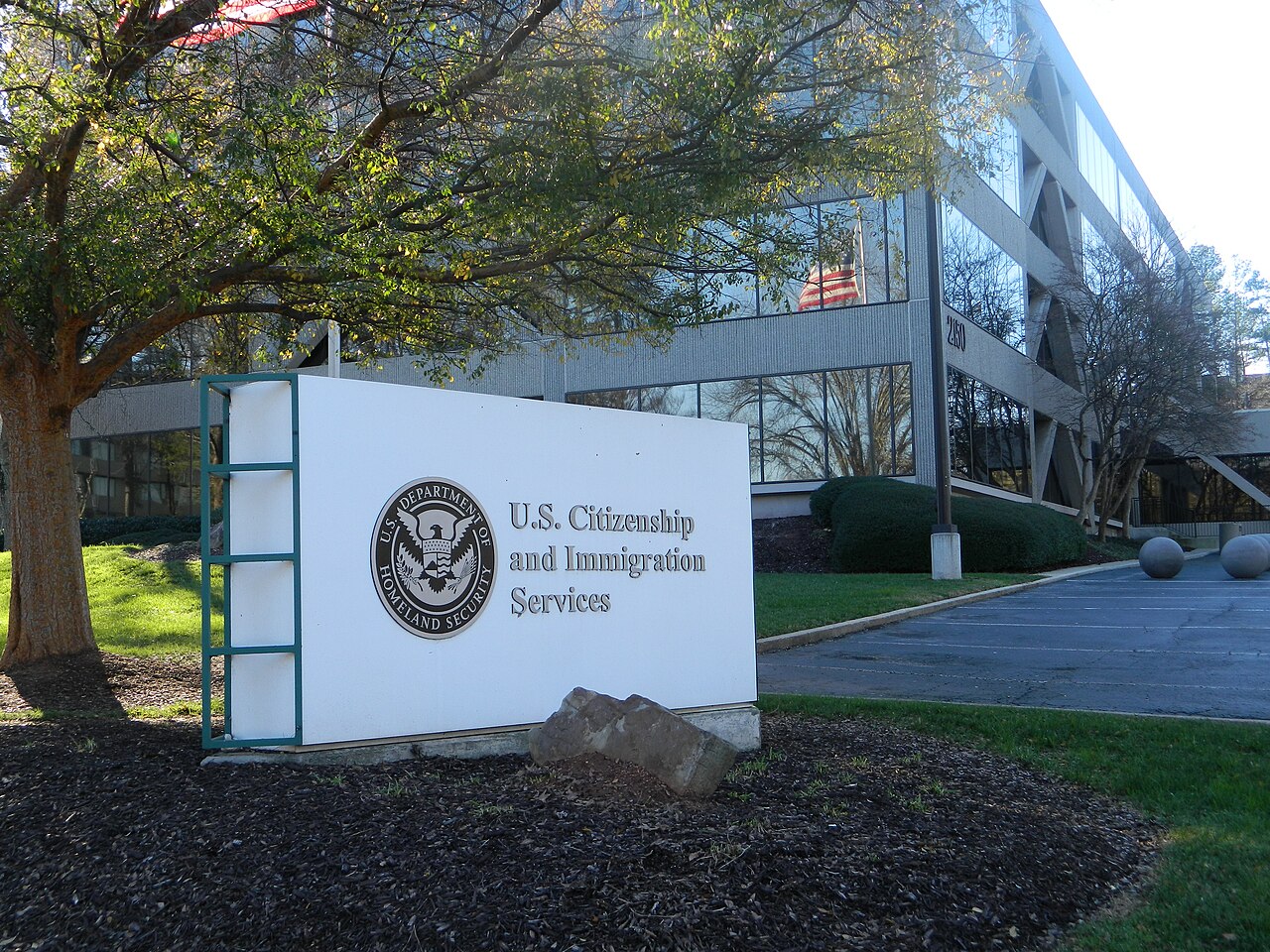
Internal USCIS guidance issued on December 16, 2025, asked field offices to supply the Justice Department with 100 to 200 denaturalization cases per month for fiscal 2026, according to Reuters, which cited the directive, and later reporting by The Washington Post and NBC News. That target represents a sharp break from prior practice. From 1990 through 2017, the Justice Department filed an average of about 11 denaturalization cases per year, according to federal data cited by The Washington Post and CBS News.
The administration has since moved from planning to filing. On May 8, 2026, the Justice Department announced 12 new denaturalization cases in federal courts, and on June 8 it said it had filed actions against 17 more naturalized citizens accused of offenses including fraud, child sexual abuse and drug crimes, according to Justice Department announcements. On July 14, the department disclosed another 10 cases, continuing the stepped-up pace.
Justice Department policy also broadened the program’s emphasis. A 2025 Civil Division enforcement memo said the department should “maximally pursue” denaturalization proceedings in all cases permitted by law and supported by the evidence, while listing priorities that include national security threats, human rights violators, gang members and other naturalized people convicted of crimes.
This is a national initiative, but it is being carried out through federal courts and U.S. attorney offices around the country. The May 8 cases were filed in nine states and the District of Columbia, according to The Washington Post, showing how the policy is spreading through local court systems rather than through a single centralized docket. The New York Times, as described in follow-up reporting by Axios and other outlets, also reported that roughly 385 people had been shortlisted in an initial wave.
What remains unclear is where the full geographic impact will land. The administration has not released a comprehensive state-by-state list of all pending referrals, all targeted residents, or all jurisdictions expected to receive cases. It also has not publicly detailed how many of the 100 to 200 monthly referrals are expected to become formal court filings, a key distinction because referrals can be screened out or delayed.
For residents, the practical impact depends on legal process, not administrative order alone. Denaturalization generally requires the government to prove in federal court that citizenship was illegally procured or obtained through concealment of a material fact or willful misrepresentation. Former government lawyers told Bloomberg Law that these cases are labor-intensive and can take years, which may limit how quickly the administration can translate referrals into final judgments.
The administration says the expansion is rooted in immigration enforcement and fraud prevention. A USCIS spokesperson told Reuters in December 2025 that the agency’s “war on fraud” prioritized people who unlawfully obtained U.S. citizenship. The Justice Department’s 2025 memo framed denaturalization as a way to protect the integrity of the naturalization system and remove people whose past conduct would have barred citizenship in the first place.
Critics and former officials say the broader categories and quota-style targets mark a significant shift from past practice. Immigration lawyers told The Washington Post that denaturalization had traditionally been used sparingly, often in the most serious cases, and warned that pursuing numerical goals could widen the pool of targets. Bloomberg Law reported that former DOJ and DHS attorneys questioned whether staffing and legal limits would make the new pace sustainable.
For naturalized citizens, the policy does not change the legal standard overnight, but it does mean more scrutiny and more federal filings than in prior years. CBS News reported in June that the administration expected to seek denaturalization for more than 250 people by the end of the fiscal year in October 2026. That would still affect a small share of the nation’s estimated 24 million naturalized citizens, but it would be one of the largest modern expansions of citizenship-revocation efforts on record.