


The labor market is still standing. But the story behind May’s job gains is more complicated than a triumphant headline suggests.
What the May jobs number actually says

The premise of this headline needs an immediate correction. The most widely cited official May jobs report showing a gain of 172,000 jobs is the Bureau of Labor Statistics release for May 2026, published in early June 2026. By contrast, the May 2024 employment report showed a much stronger increase of 272,000 jobs. That matters, because the phrase “hiring recession is officially over” has circulated in different moments for different reasons, and the underlying evidence has not always pointed in one clear direction.
According to the latest BLS Current Employment Statistics release, total nonfarm payroll employment increased by 172,000 in May 2026, while the unemployment rate was unchanged at 4.3 percent. That puts the labor market in a very different place from the ultra-tight conditions of 2021 through 2023, but it does not describe a labor market in collapse either. Payroll growth at that pace is slower than the boom years, yet still strong enough to signal continued expansion rather than outright contraction.
A job gain of 172,000 is especially notable in a period when many employers have turned more cautious about adding staff. Businesses across technology, finance, media, and parts of manufacturing spent much of the past two years defending margins, coping with higher borrowing costs, and trying to raise productivity without dramatically expanding headcount. In that environment, a monthly payroll figure above 150,000 suggests the economy still has forward momentum.
Still, payroll growth alone does not settle the debate. The labor market is measured through multiple lenses, and those lenses do not always align neatly. Payrolls can rise even while job openings soften, quit rates remain subdued, and job seekers say it is taking longer to land work. That is why one strong headline number can improve sentiment without fully erasing the lived experience of a hiring slowdown.
Why so many people started calling it a hiring recession

The term “hiring recession” gained traction because companies did not need a formal recession to become hesitant about bringing people on board. After the post-pandemic hiring frenzy, many employers reached a point where they could meet demand with existing teams, especially as wage costs rose and financing became more expensive. The result was a labor market that still produced jobs overall, but felt unusually difficult for white-collar applicants, recent graduates, and workers seeking to switch employers.
That distinction matters. A traditional recession usually arrives with widespread layoffs, falling output, and a rapidly rising unemployment rate. A hiring recession is different: companies keep most of the workers they already have, but dramatically slow new hiring. From the outside, the economy can look healthy. Inside the labor market, though, job seekers feel a sharp change because openings are scarcer, timelines are longer, and employers become pickier.
The BLS data and follow-on labor analysis over the past two years have supported parts of that narrative. Job growth slowed materially after the breakneck gains of the early recovery period, and broader BLS review work on 2024 showed that average monthly job creation had cooled compared with 2023. That moderation did not mean the labor market broke, but it did mean the balance of power shifted away from workers in many sectors.
This is why declaring the hiring recession “officially over” requires caution. For employers, stability may already feel like recovery. For workers, especially those in professional services, software, marketing, recruiting, and other office-based roles, the market can still feel far weaker than the topline payroll data implies. In other words, a labor market can improve at the macro level before it feels truly better at the individual level.
Where the jobs are being created now

One of the clearest lessons from recent BLS reports is that not all sectors are moving together. In the May 2024 report, health care led gains with 68,000 new jobs, while government, leisure and hospitality, and professional, scientific, and technical services also added positions. That same pattern of uneven strength has remained an important feature of the labor market more broadly: hiring has been concentrated in a few resilient industries rather than spread evenly across the economy.
Health care continues to stand out because its demand drivers are structural, not merely cyclical. An aging population, persistent staffing shortages, and high utilization across hospitals, clinics, home health, and elder care have kept labor demand elevated. Even when businesses elsewhere pull back, health systems and care providers often still need nurses, technicians, aides, administrators, and support staff. That gives the national labor market an important stabilizer.
Government hiring has also played a larger role than many casual observers realize. State and local governments spent much of the post-pandemic period rebuilding staffing in education, public safety, transit, and administrative functions. Those gains do not always generate the same media attention as private-sector hiring, but they materially support overall payroll growth and local labor market stability.
By contrast, sectors tied more directly to corporate investment cycles have been less uniformly strong. Parts of technology and finance have prioritized efficiency. Manufacturing has shown pockets of resilience, especially where public investment and industrial policy support construction or supply-chain expansion, but the sector has not been a broad engine of hiring. That helps explain the disconnect between healthy national job growth and persistent anxiety in many professional labor markets: the economy is still creating jobs, just not always in the places where displaced white-collar workers are looking.
What the May report means for workers, employers, and the Fed
For workers, a 172,000 gain suggests opportunity still exists, but the days of effortless job hopping are largely over. Wage growth remains important, and in earlier comparable reports average hourly earnings continued to rise even as labor-market conditions cooled. That combination can be reassuring for households, because it means income growth has not vanished. But it also means employers remain selective, often favoring experienced candidates who can be productive immediately.
For employers, the report is a sign that caution has not turned into paralysis. Companies may not be staffing aggressively, yet many still need to replace attrition, fill specialized roles, and support demand in core functions. In practical terms, that means firms are likely to keep hiring slowly rather than reopen the floodgates. Executives who spent the last two years emphasizing efficiency now have little incentive to return to indiscriminate expansion.
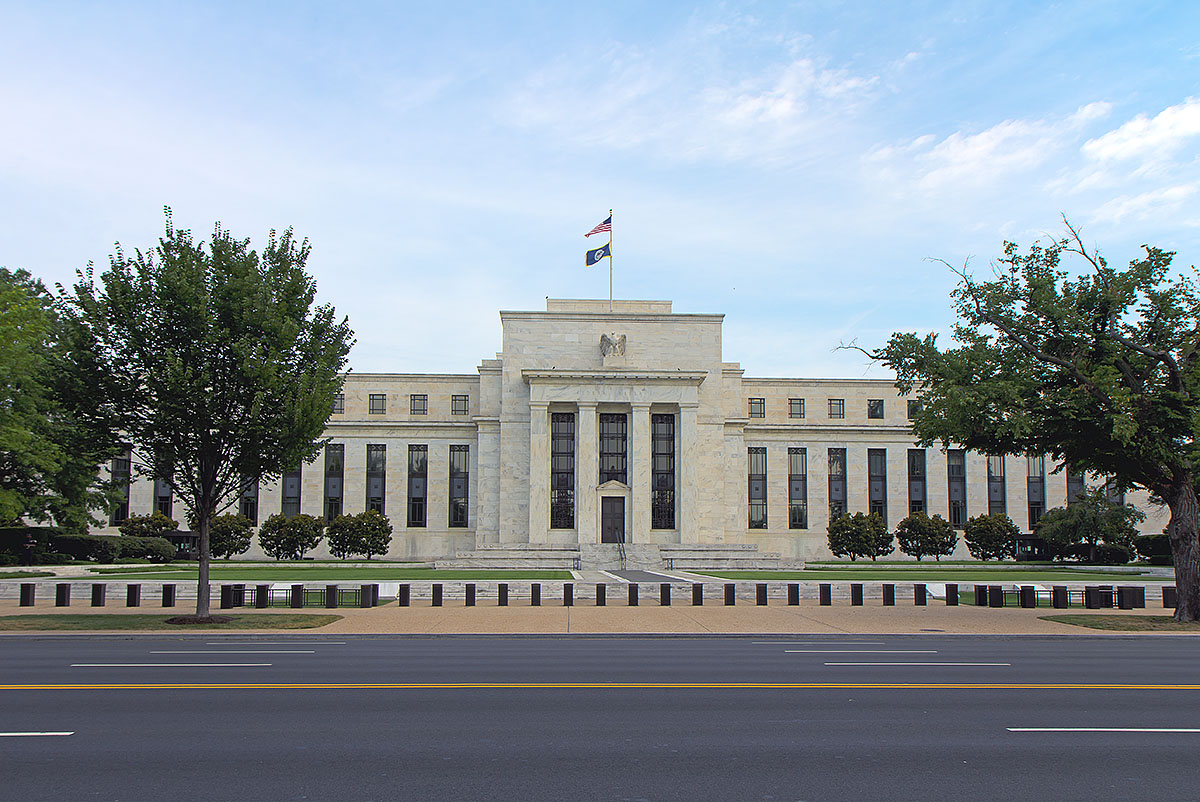
For the Federal Reserve, labor-market resilience is a double-edged signal. A steady pace of job growth argues against an economy in urgent need of rescue. At the same time, continued hiring and wage pressure can complicate the inflation outlook if demand remains firm. Fed officials therefore look beyond the headline payroll gain to unemployment, labor-force participation, earnings, hours worked, and revisions, trying to determine whether labor demand is cooling enough to relieve inflation without causing a broader downturn.
That balancing act is why markets often overreact to a single payroll number. A better-than-expected gain can be read as good news for growth and bad news for faster rate cuts at the same time. The May figure supports the idea that the labor market remains fundamentally durable. But durability is not the same as overheating, and it is not definitive proof that every corner of the hiring market has healed.
Is the hiring recession really over?

The honest answer is that it depends on what exactly is being measured. If the question is whether the United States is still adding jobs, the answer is yes. If the question is whether employers have returned to the broad-based, rapid hiring patterns that defined the post-pandemic surge, the answer is clearly no. And if the question is whether job seekers across industries now face an easy market again, the answer is also no.
A better interpretation is that the labor market has moved into a late-normalization phase. The extremes have faded. Layoffs are not dominating the picture, but openings are no longer abundant enough to absorb every applicant quickly. Payrolls are still growing, yet the growth is steadier, narrower, and more dependent on sectors like health care and government than on a generalized corporate hiring boom.
So the headline can be partially right in spirit while still overstating the case. A May gain of 172,000 jobs is evidence that the economy remains more resilient than many feared. It undercuts the darkest narratives about an imminent labor-market unraveling. But it does not “officially” end the hiring recession for millions of workers who still face slow response times, more competition, and fewer openings in the occupations they want.
The clearest conclusion is this: the US labor market is functioning, expanding, and more stable than the pessimists expected, but it has not snapped back to the easy-hiring era people remember. The hiring freeze mentality has loosened, not vanished. That may be enough to improve confidence, support consumer spending, and calm recession fears. It is not enough, at least yet, to declare that every part of the hiring recession is behind us.