

Markets do not wait for missiles to land. They reprice risk the moment traders believe energy supply, shipping routes, and inflation could all be hit at once.
Why oil reacted so quickly

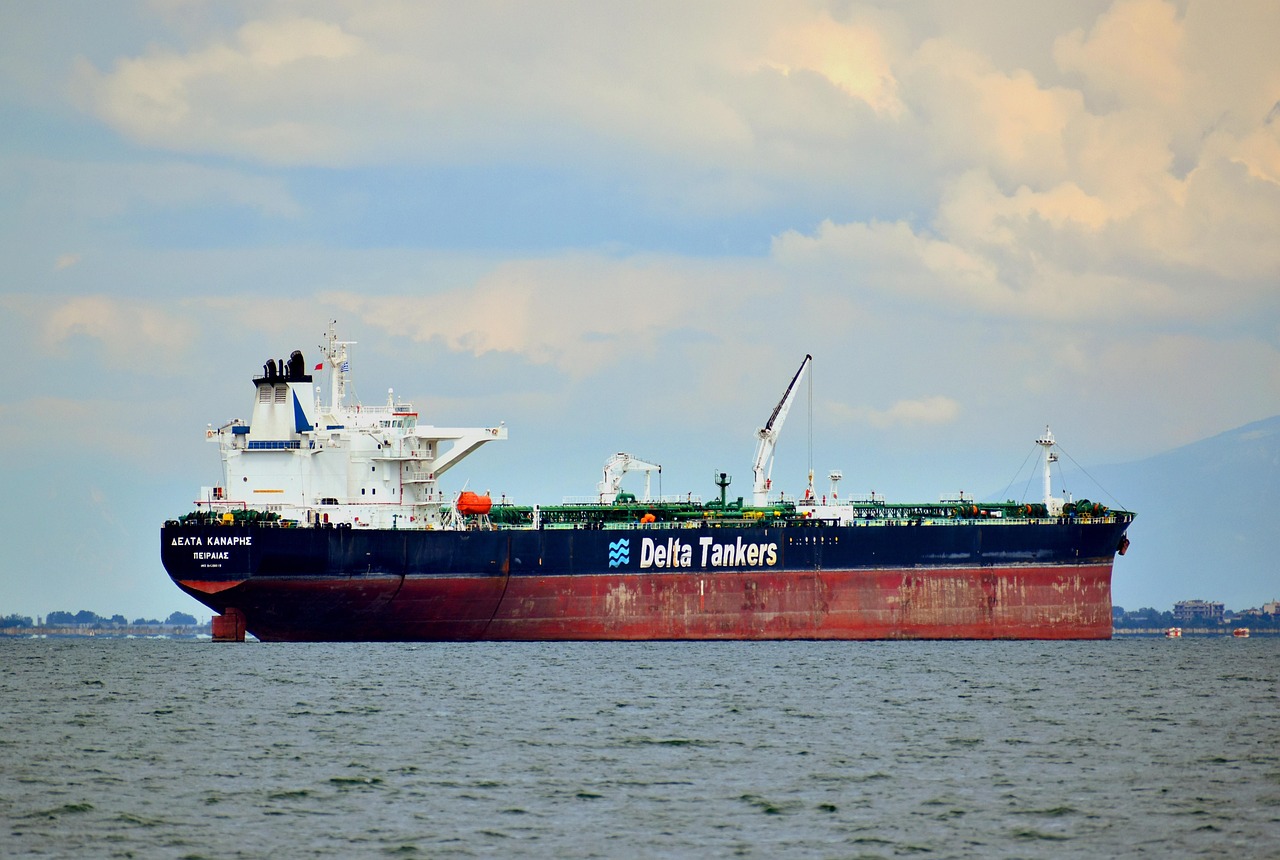
Oil is usually the first asset to register geopolitical fear, and the latest escalation involving the United States and Iran has followed that pattern with force. According to the U.S. Energy Information Administration and the International Energy Agency, the Strait of Hormuz remains the world’s most important oil transit chokepoint, with roughly 20 million barrels a day of crude and products moving through it in 2025. That matters because even a partial disruption there can reshape pricing worldwide, regardless of whether physical supply losses become permanent.
Recent market behavior shows how sensitive traders have become to that risk. In late April, Bloomberg reported that Brent crude briefly traded above $119 a barrel as war-related supply fears intensified, while West Texas Intermediate neared $107. Since then, markets have remained volatile, with prices lurching on each shift in military developments, sanctions, or diplomatic headlines. The U.S. Energy Information Administration said in its June 9, 2026 Short-Term Energy Outlook that, under an assumption that the Strait remains closed to most shipping traffic in the near term, Brent would average $105 a barrel in June and July.
The reason prices move so violently is that oil markets are not pricing only today’s barrels. They are pricing the probability of future scarcity, shipping delays, higher insurance premiums, and the possibility that inventories will be drawn down faster than producers can compensate. S&P Global Ratings noted this month that inventory buffers have been eroding and that even the combined alternative export capacity outside Hormuz is not enough to fully offset the normal scale of flows through the waterway.
That leaves oil traders focused less on headline supply and more on spare capacity, logistics, and duration. Saudi Arabia and the UAE can reroute some exports, but not enough to make the chokepoint irrelevant. The result is a risk premium embedded in crude prices: not a simple bet on war, but a calculation that the cost of disruption is now too large to ignore.
The shockwaves moving through stocks, bonds, and currencies

When oil surges on geopolitical risk, the impact quickly spreads beyond energy contracts. Equity markets tend to sell off first in sectors most vulnerable to higher fuel costs, weaker consumer demand, and tighter monetary conditions. AP reported on June 10 that world shares were mostly lower after renewed conflict-related anxiety combined with a tech-driven retreat in global equities. That kind of synchronized weakness is typical when investors suddenly have to rethink both growth and inflation at the same time.
The basic problem for stock investors is that higher oil acts like a tax on the global economy. Airlines, logistics firms, chemicals producers, and manufacturers face higher operating costs. Consumers feel it through gasoline, transport, utilities, and eventually food. Corporate earnings forecasts start to look too optimistic, especially in regions heavily dependent on imported energy such as Europe and parts of Asia.
Currency markets also respond in a familiar but powerful way. Bloomberg reported in May that the relationship between the dollar and oil had turned unusually strong as the Iran crisis dragged on. In periods of acute stress, the U.S. dollar often benefits from safe-haven demand even when higher energy prices create domestic inflation concerns. At the same time, currencies of oil-importing economies can weaken as trade balances deteriorate and central banks face more difficult policy choices.
Bond markets become a battleground between fear and inflation. On one hand, investors buy government debt for safety. On the other, a sustained energy shock can keep inflation elevated and reduce expectations for rate cuts. That tension helps explain why market volatility rises so sharply during supply-driven geopolitical crises. Investors are not just asking whether growth will slow. They are also asking whether central banks can afford to ease if oil keeps consumer prices uncomfortably high.
Why the Strait of Hormuz matters to everyone

The importance of the Strait of Hormuz can sound abstract until its role is translated into everyday economic terms. The waterway is not simply another shipping lane. It is the narrow exit point for a large share of Gulf oil and liquefied natural gas exports, and the IEA says average oil shipments through it reached about 20 million barrels a day in 2025. Countries including Iran, Iraq, Kuwait, Qatar, and Bahrain rely on it for the vast majority of their oil exports, while Saudi Arabia and the UAE have only limited alternatives.
The exposure is especially acute in Asia. The EIA has estimated that most crude and condensate moving through Hormuz goes to Asian markets, which means major importers such as China, India, Japan, and South Korea are highly sensitive to any disruption. For those economies, a spike in oil is not just a fuel story. It can worsen inflation, damage industrial margins, and force governments to choose between subsidy support and fiscal restraint.
Natural gas adds another layer of vulnerability. The IEA’s Hormuz factsheet says around 19% of global LNG trade is tied to exports through the strait, with Qatar and the UAE especially dependent on that route. That means tensions involving Iran do not just threaten crude prices. They can also raise gas costs, electricity prices, and fertilizer inputs, creating knock-on effects for everything from power bills to agricultural production.
This is why market reactions often look larger than the immediate military event that triggered them. Traders are pricing a network effect: higher tanker rates, shipping detours, refinery bottlenecks, delayed cargoes, and tighter supplies of both oil and gas. A conflict in one region can therefore feed into inflation on another continent within weeks. In a tightly linked trading system, Hormuz is not a regional issue. It is a global pricing mechanism.
The economic consequences if tensions stay elevated
If tensions remain high rather than fading quickly, the biggest economic risk is not a one-day spike in crude. It is a prolonged period of elevated energy costs that bleeds into inflation, consumer confidence, and business investment. The IMF warned in March that sustained oil-price spikes tend to push inflation higher and growth lower, and in April it said the Middle East conflict had halted global growth momentum. Its reference forecast assumed a moderate 19% rise in energy commodity prices in 2026 and still projected weaker global growth and hotter inflation.
The OECD has reinforced that message. AP reported on June 3 that the organization sees prolonged disruption of Middle East energy supplies as a severe threat to the global economy, with some countries potentially pushed into recession and inflation pressures spreading more widely. That is the classic stagflationary pattern policymakers fear most: slower activity paired with more stubborn price growth.
For central banks, this creates a fresh dilemma. If inflation is driven higher by oil and shipping costs, cutting interest rates becomes harder even as growth softens. That can leave households under pressure from both sides. Borrowing costs stay relatively high while essentials become more expensive. For lower-income countries, the IMF has highlighted an even harsher dynamic, because food and fuel consume a larger share of household spending and governments have less fiscal space to cushion the blow.
There is also a time-lag effect that markets often begin pricing before consumers fully notice it. First come moves in crude, freight, and insurance. Then refiners, utilities, transport operators, and manufacturers start passing through higher costs. Finally, households and small businesses feel the squeeze. If the U.S.-Iran confrontation keeps that process alive through the summer, the energy shock will no longer be just a trader’s story. It will become a broader test of economic resilience.
What investors, businesses, and consumers should watch next

The next phase of market reaction will depend less on rhetoric than on duration, shipping flow data, and evidence of physical shortages. Investors should watch whether transit through the Strait of Hormuz remains heavily constrained, whether strategic inventories are tapped more aggressively, and whether major producers can raise output or reroute exports fast enough to calm the market. OPEC+ on June 7 announced another production adjustment of 188,000 barrels a day from the group of countries making voluntary cuts, but the broader question is whether available spare capacity can reach consumers where and when it is needed.
The U.S. has one relative advantage in this environment. The EIA said U.S. crude and petroleum product net exports reached a record 5.8 million barrels a day in April, with May staying close to that level as demand for U.S. supply rose. That does not insulate American consumers from global pricing, but it does make the U.S. better positioned than many large importing economies to absorb part of the shock. Europe and Asia remain more exposed to imported energy and shipping dislocation.
Businesses should be watching freight rates, diesel, jet fuel, and natural gas as closely as they watch benchmark crude. Those are often the channels through which geopolitical energy risk hits real operating budgets. Airlines, chemicals producers, heavy industry, and food supply chains are especially sensitive because they have limited room to absorb higher input costs without pushing prices onward.
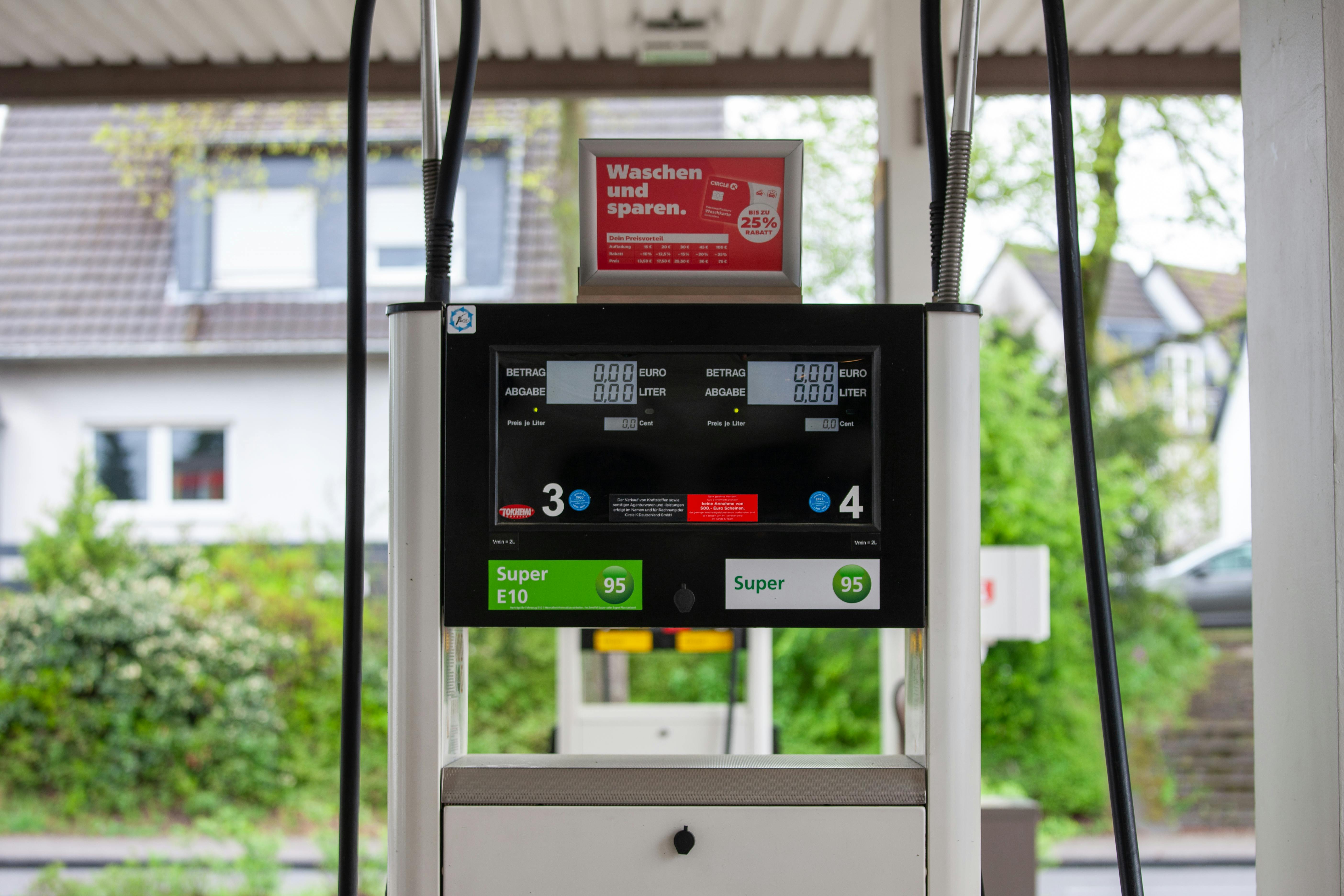
For consumers, the clearest signals will be gasoline, electricity, airline fares, and grocery inflation. For markets, the key test is whether the current stress remains a risk premium or turns into a sustained supply shock. That distinction will shape everything from Federal Reserve expectations to corporate earnings and household budgets. In the end, oil is not rising only because of fear. It is rising because markets understand that when U.S.-Iran tensions threaten a critical energy chokepoint, the consequences spread quickly across almost every asset class and every economy.