

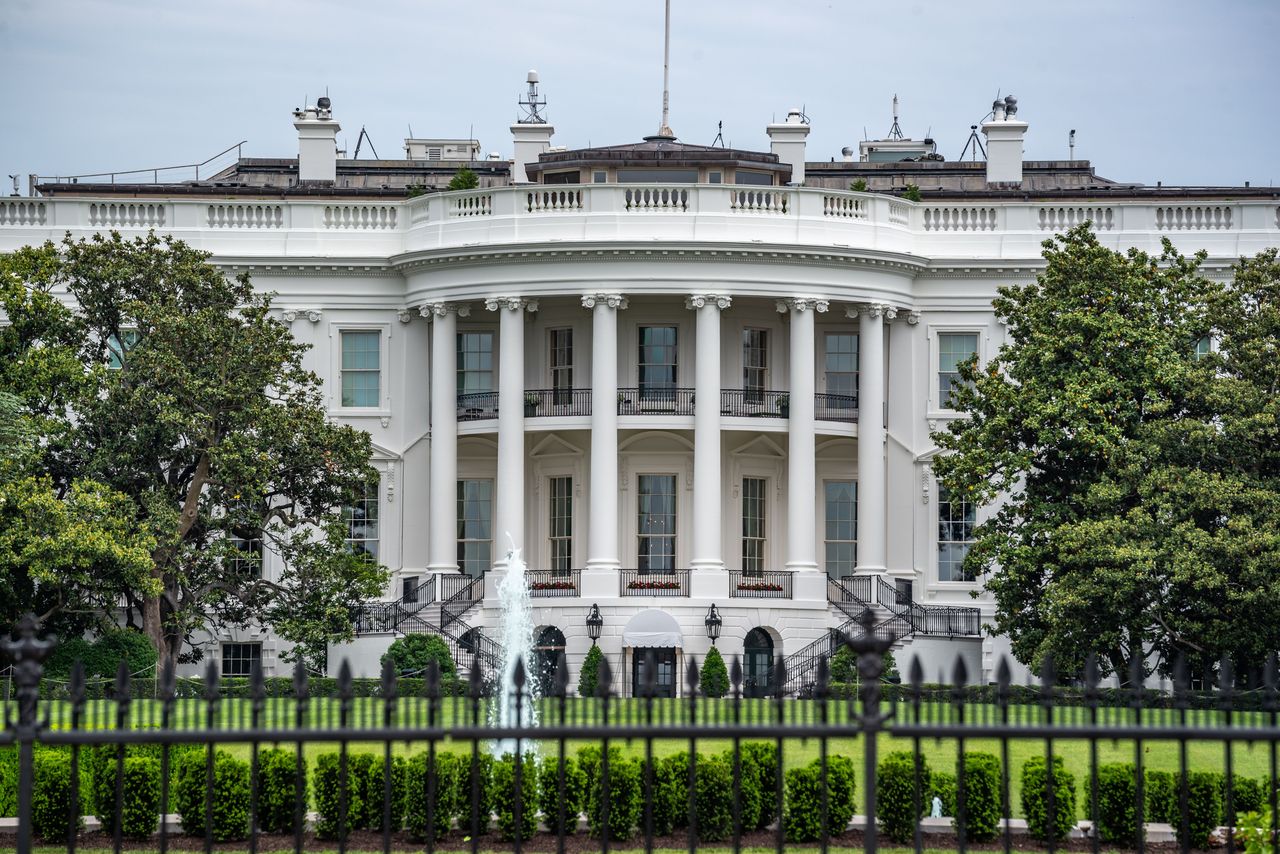
The clash was immediate and unmistakably public. Ariana Grande did not simply object to the White House using her music; she framed it as a moral line that had been crossed.
What happened between Ariana Grande and the White House
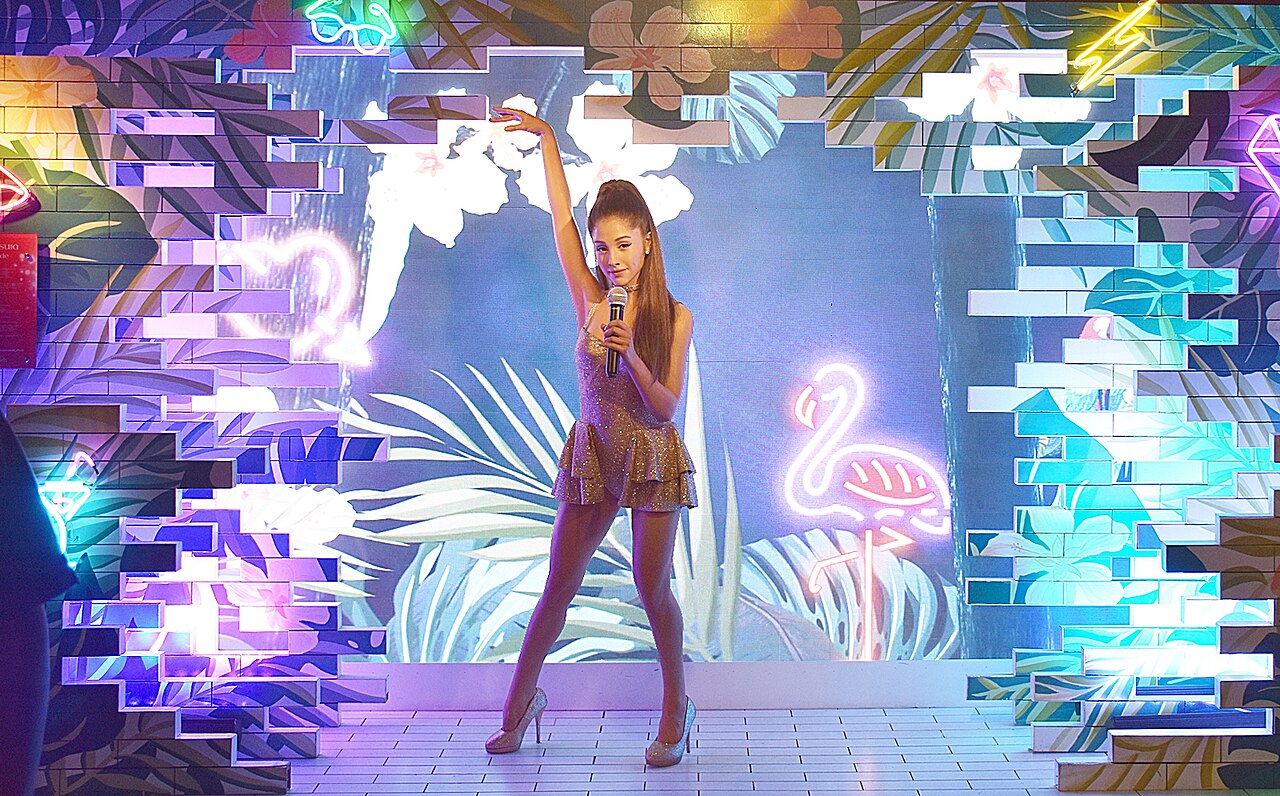
Grande’s response was direct and unusually sharp, even by celebrity standards. She commented that the White House should “not ever” use her music in connection with what she described as “barbaric, inhumane, heinous nonsense.” Reports also indicated that her criticism specifically targeted the policy context of the video, not simply the unauthorized use of a song.
The timing mattered. The White House and allied agencies have increasingly used social platforms to package political messaging in the language, pacing, and irony of internet culture. In this case, the use of “Bye” appeared designed to create a pointed caption-and-soundtrack joke around deportation and removal, a choice that made the post feel to critics less like routine messaging and more like deliberate provocation.
Why Grande’s statement resonated so strongly
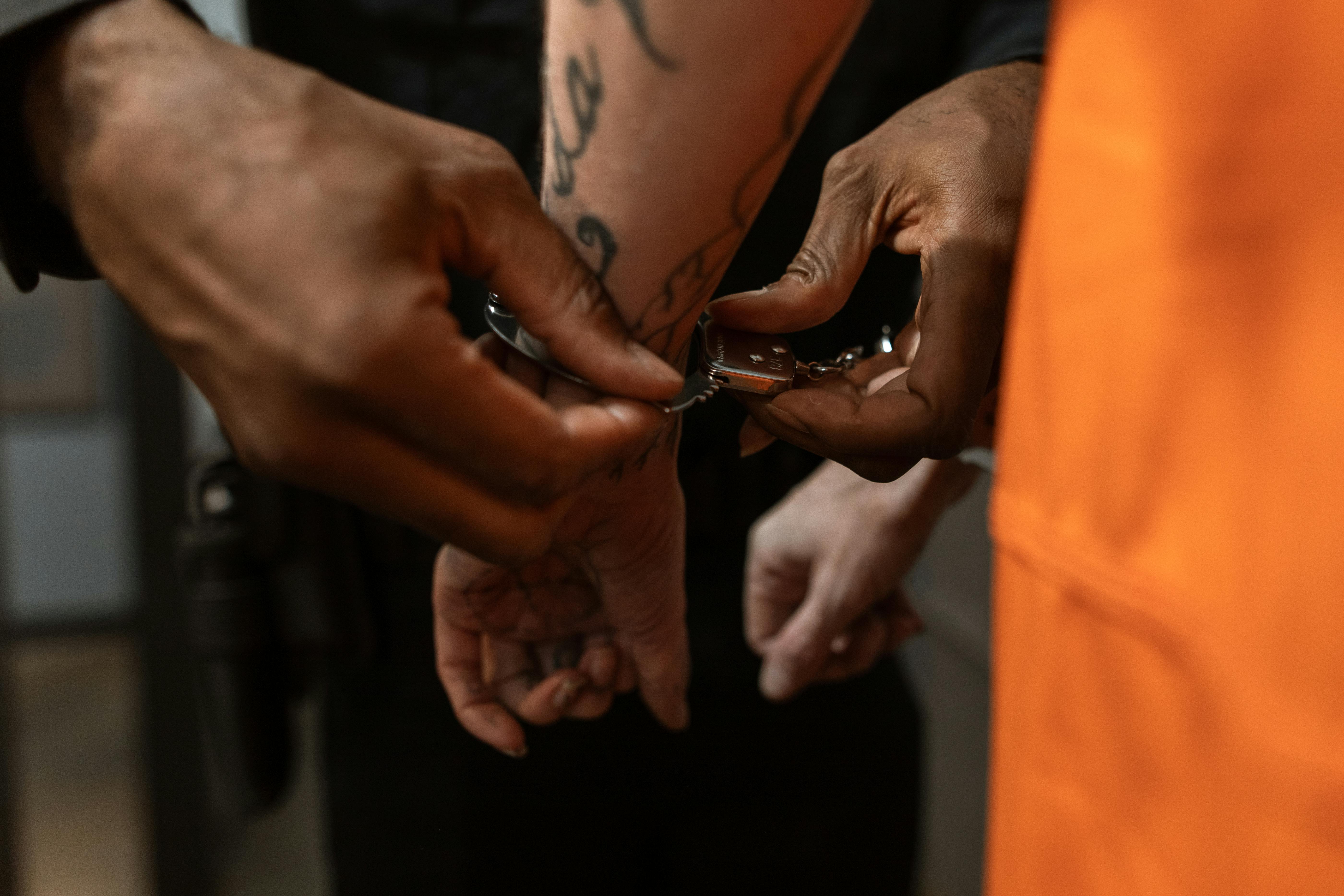
Grande’s statement landed because it was about more than brand control. By objecting to the pairing of her song with footage of arrests, she was signaling that artists may see the political meaning of a use as more important than the legal technicalities behind it. That distinction is crucial: even where music use is defensible under licensing arrangements, artists can still argue that the context distorts their values and public identity.
Her wording also intensified the reaction. Describing the video as “barbaric, inhumane, heinous nonsense” transformed the dispute from a routine rights complaint into an ethical condemnation of the message itself. That matters in a media climate where entertainment and politics increasingly collide in public, fast-moving, emotionally charged ways.
There was another layer as well: Grande has one of the largest and most digitally active fan bases in pop music. When an artist with that level of reach speaks bluntly, the story moves beyond celebrity gossip and into broader cultural debate. The result was a wave of coverage focused not only on what the White House posted, but on whether popular music should ever be used to soften, glamorize, or meme-ify state power.
The wider pattern of artists objecting to the political use of songs

Grande is far from the first major artist to object to political use of music connected to Donald Trump or Trump-aligned messaging. Over the years, performers including Rihanna, Adele, ABBA, Celine Dion, Beyoncé, Neil Young, the Rolling Stones, and John Fogerty have all pushed back in different ways, from public statements to cease-and-desist efforts. The recurring pattern shows how campaigns and political institutions often treat recognizable songs as emotional shorthand, even when the artists themselves strongly disagree.
What makes these conflicts persist is that the law and the politics do not always line up neatly. Public performance licenses can sometimes cover the use of songs at venues or events, but that does not grant an artist’s endorsement. Social media use, video synchronization, and campaign-style branding can create a more complicated rights picture, especially when clips are repurposed online.
That gap between legality and legitimacy is where these disputes tend to explode. A campaign or government account may believe it can use a track under one framework, while the artist sees the same act as reputational appropriation. Grande’s response fits squarely into that tradition, but the visual context of immigration enforcement gave this case an especially combustible edge.
The White House response and the political strategy behind it

The administration did not respond with retreat. Reports quoting White House spokeswoman Abigail Jackson said the truly “barbaric” and “heinous” conduct was that of criminal undocumented immigrants who had harmed Americans, effectively turning Grande’s language back against her. That response made clear the White House viewed the controversy not as an error to correct, but as another front in a broader political communications battle.
That approach reflects a familiar strategy in modern political media: controversy is not always a cost. Sometimes it is the point. By using culturally recognizable songs in charged posts, officials can drive attention, provoke celebrity backlash, and then use that backlash to energize supporters who view entertainers as out-of-touch political antagonists.
Other recent examples suggest this is not isolated. Reports have noted similar criticism from artists such as Olivia Rodrigo and Sabrina Carpenter after their music was used in immigration-related messaging. In that sense, Grande’s statement was both a singular protest and part of a larger struggle over how official power uses pop culture to frame policy in emotionally viral terms.
What this says about music, consent, and public meaning
At the center of the dispute is a question bigger than one TikTok video: who controls the meaning of a song once it enters mass culture? Legally, music rights are divided among writers, publishers, labels, and platforms. Culturally, though, audiences often assume a song’s use implies some level of blessing or at least tolerance from the artist.
That assumption is exactly why public objections matter. When Grande says her music should not be used in this context, she is trying to sever any implied association between her art and a political message she rejects. Even if a post remains online for a time, the statement itself becomes a counter-message, telling fans and the broader public that the use does not reflect her approval.
For artists, that distinction is increasingly essential in a world where songs are endlessly clipped, memed, and recontextualized. A three-minute pop record can become a punchline, protest anthem, campaign soundtrack, or ideological symbol depending on who deploys it. Grande’s intervention underscores how fiercely major artists now defend not just ownership, but meaning.
Why this controversy is likely to keep growing
This episode will probably endure because it sits at the intersection of three forces that are only getting stronger: hyper-online politics, aggressive culture-war messaging, and the enormous symbolic value of pop music. A familiar song can instantly humanize, sharpen, or mock a policy message. That makes music irresistible to political communicators and deeply risky for artists who do not want their work turned into propaganda.
The dispute also highlights a modern reality: statements from musicians now function as political acts in their own right. Grande’s response was brief, but it was clear enough to define the story. She was not merely protecting a catalog; she was drawing a public boundary around what her art should never be used to represent.
That is why this story matters beyond fandom. It is about the power struggle over cultural symbols in a polarized era. When Ariana Grande demanded that the White House stop using her music, she was also making a larger argument: art is not politically neutral once institutions attach it to force, fear, or spectacle.