

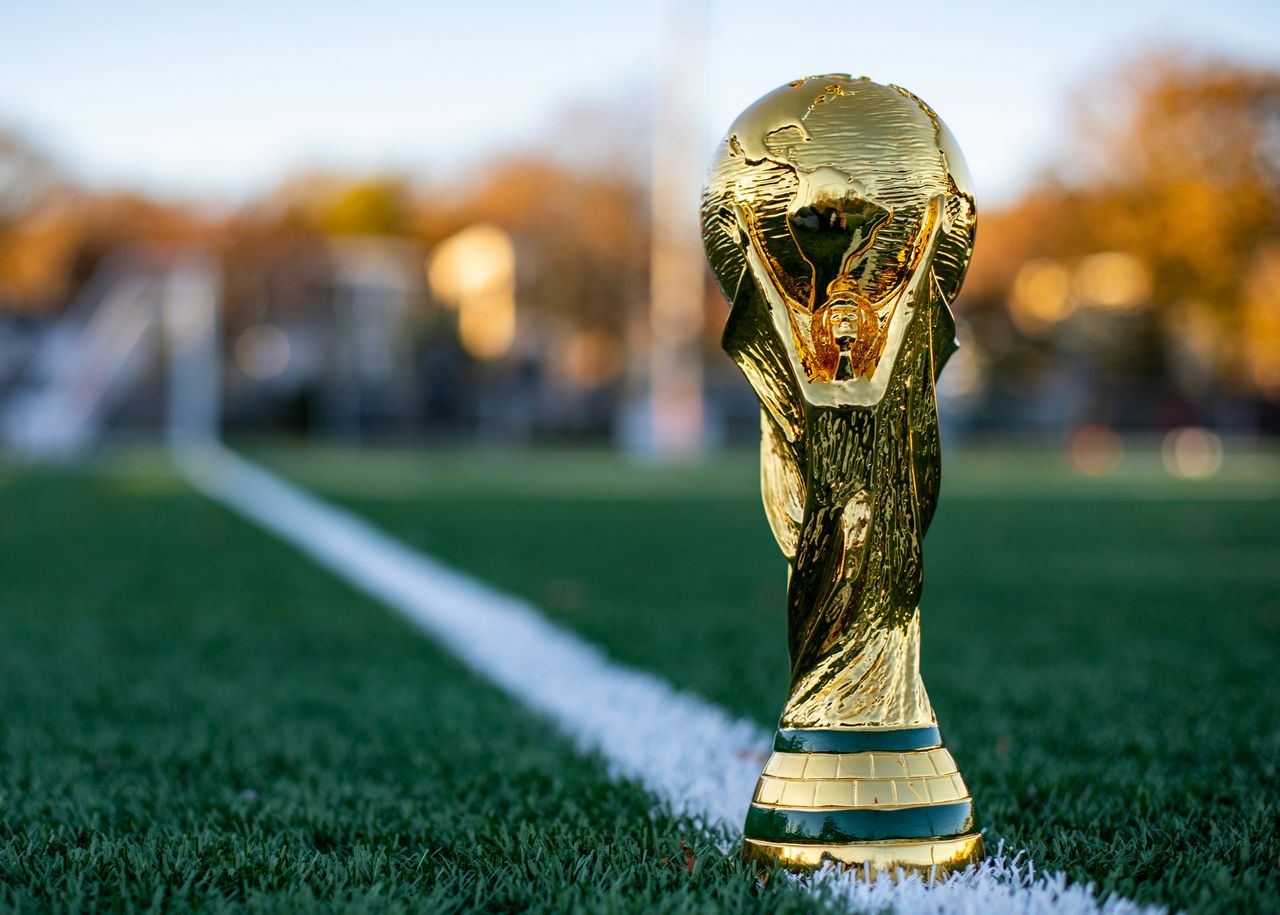
It was a World Cup that felt historic before a ball was even kicked. For many fans and analysts, Qatar 2022 became the most controversial tournament football has ever staged.
A Tournament Shadowed Long Before Kickoff
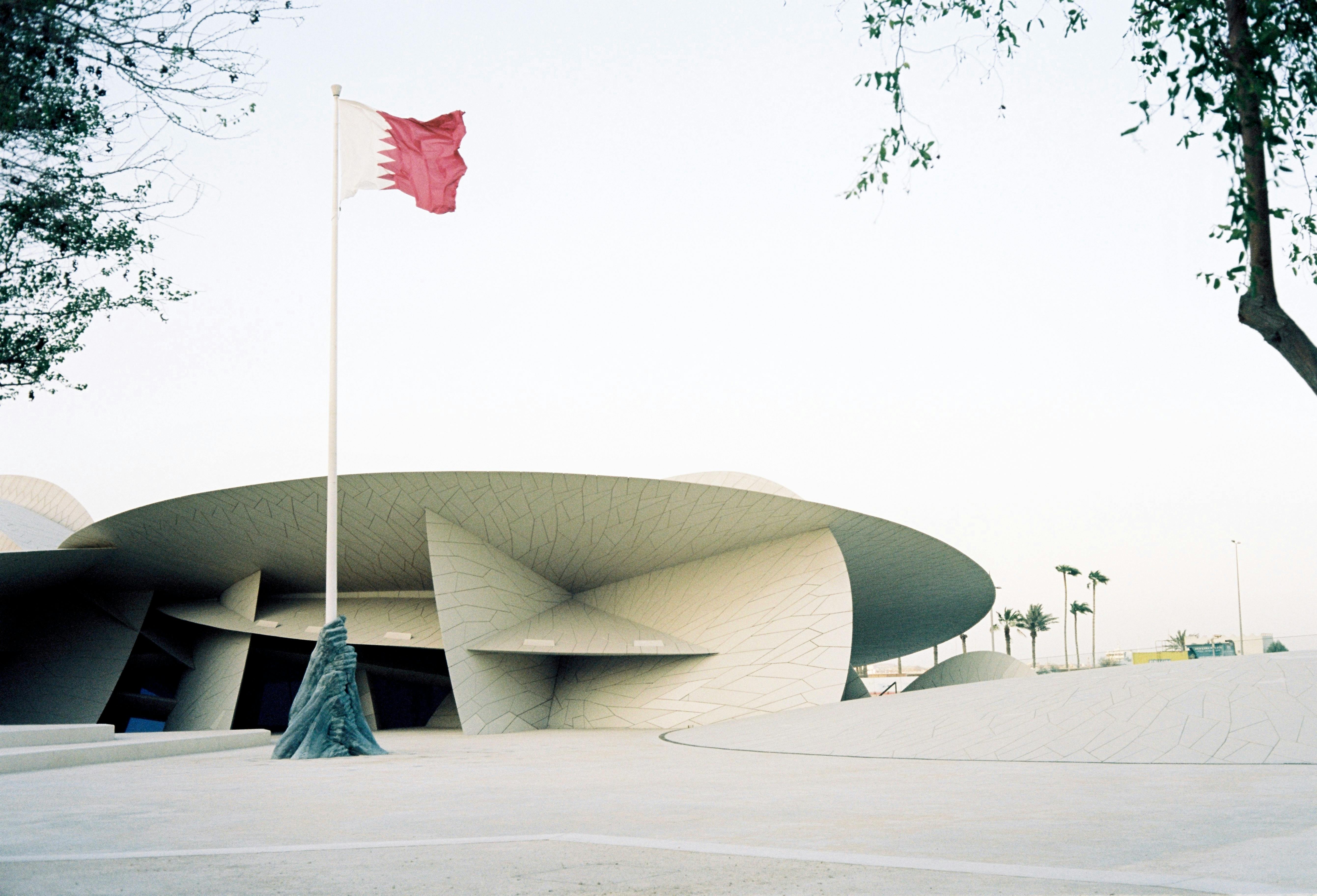
The controversy began with the host selection itself. When FIFA awarded the 2022 World Cup to Qatar in 2010, critics immediately questioned the decision on climate, infrastructure, football tradition, and governance. Over time, those doubts hardened into something much larger: a belief that the event exposed deep problems in how global sport is run.
The summer heat was one of the first flashpoints. Qatar’s climate made a traditional June-July World Cup impractical, and FIFA eventually shifted the tournament to November and December. That solved one logistical problem but created another, forcing a midseason disruption across major European leagues and adding to concerns over player workload and the commercial power FIFA wields over the broader football calendar.
Even before the opening match on November 20, 2022, the event had become a symbol of competing narratives. Supporters argued Qatar had earned the right to host a global event in the Arab world for the first time. Critics countered that the tournament was less a sporting milestone than a test case in whether prestige events can wash away scrutiny.
Labor Rights Became the Central Moral Issue
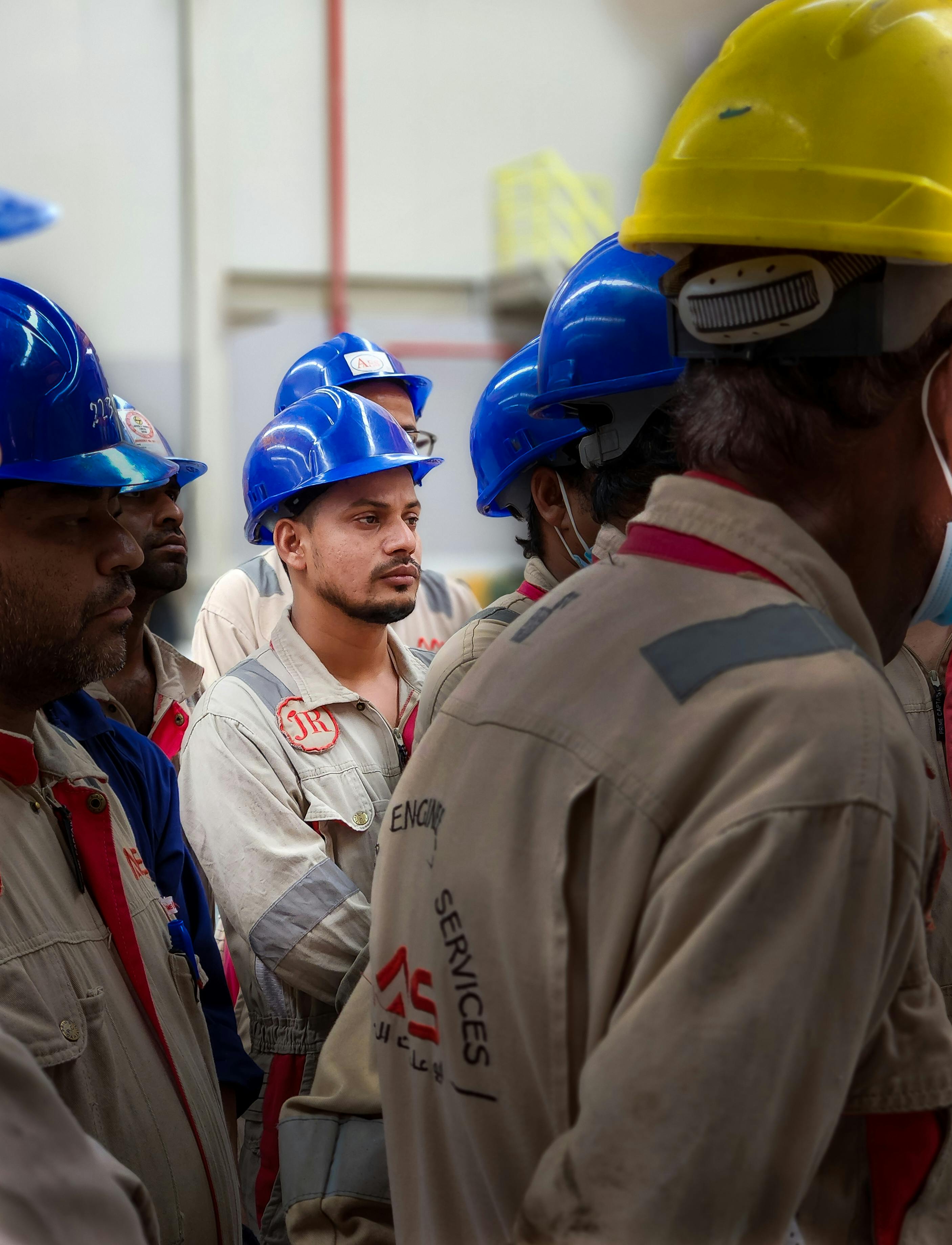
More than any other issue, the treatment of migrant workers defined the debate. Amnesty International, Human Rights Watch, and other groups spent years documenting allegations tied to wage theft, dangerous conditions, recruitment fees, barriers to justice, and unexplained worker deaths. Their argument was not simply that abuses occurred, but that the World Cup’s scale and deadlines intensified the risks facing low-paid laborers who helped build the tournament infrastructure.
Amnesty argued that labor reforms introduced by Qatar were real but incomplete, and often limited in practice. According to Amnesty, stronger standards applied on official World Cup sites covered only a small share of the workforce connected to the wider event ecosystem. Human Rights Watch likewise said FIFA and Qatar failed to create a meaningful remedy system for many workers and families harmed during the build-up to the tournament.
The compensation debate became especially damaging for FIFA. Amnesty said a large majority of surveyed fans across multiple countries supported compensating affected workers, yet FIFA did not commit to the kind of broad remedy fund campaigners demanded. That gap between football’s celebratory image and the unresolved human cost became the tournament’s defining contradiction.
Rights, Expression, and the Limits of Inclusion
Qatar’s laws and social climate also triggered intense concern for LGBTQ+ fans, players, and journalists. Organizers repeatedly said everyone would be welcome, but rights groups argued that broad reassurances were not the same as clear legal protections. Human Rights Watch reported abuses against LGBTQ+ people in Qatar in the lead-up to the tournament, deepening fears that football’s language of inclusion was colliding with a far more restrictive reality.
The “OneLove” armband dispute turned that tension into one of the World Cup’s most visible moments. Several European teams had planned for their captains to wear the armband as a symbol against discrimination. Those plans collapsed when FIFA threatened sporting sanctions, prompting federations to back down shortly before matches began.
That decision was seen by many as a major institutional failure. Instead of defending a carefully prepared, modest gesture, FIFA appeared to prioritize host sensitivities and discipline over expression. Germany’s players responded by covering their mouths in the pre-match team photo, creating an image that captured the broader complaint against the tournament: that even symbolic dissent had become difficult inside football’s biggest showcase.
Culture Clashes Reached Fans and Sponsors Too
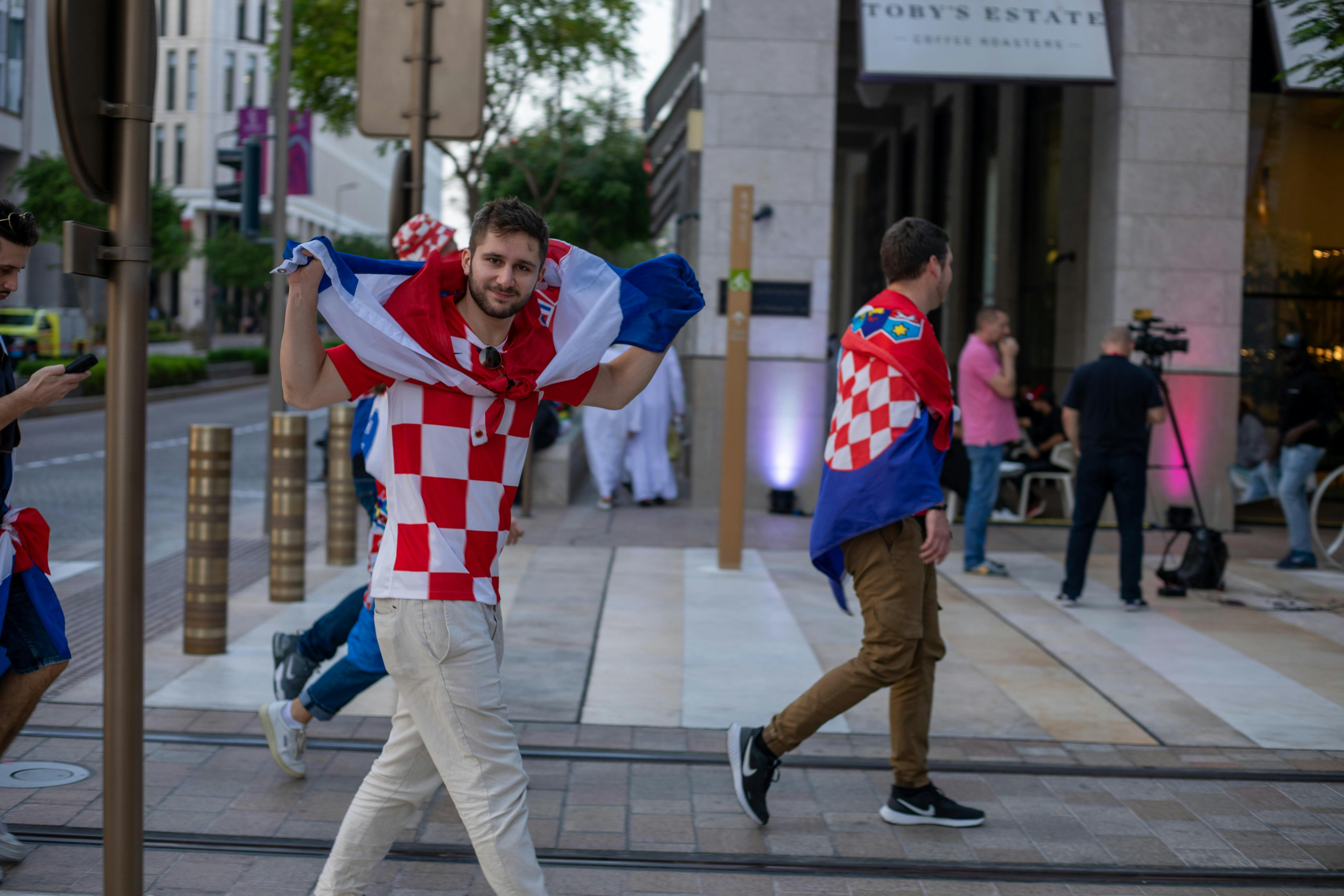
Not every controversy was about geopolitics or human rights in the narrow sense. Some involved the lived experience of supporters on the ground and the growing sense that tournament rules could change abruptly. The clearest example came on November 18, 2022, just two days before kickoff, when FIFA confirmed that alcohol sales would be banned at stadium perimeters after discussions with Qatari authorities.
That reversal mattered because it suggested even major commercial agreements could bend at the last minute. Budweiser, one of FIFA’s most visible sponsors, had built campaigns around the event, and the sudden ban became an international story. For many fans, it was less about beer itself than about predictability, transparency, and whether FIFA had fully understood the host environment it was selling to the world.
The tournament also featured disputes over rainbow items, media freedom, and fan expectations. Reports emerged of some supporters having pro-LGBTQ+ symbols challenged or removed. Combined with restrictions shaped by local law and custom, these incidents reinforced the feeling that visitors were entering a World Cup with unusually contested boundaries around behavior, identity, and public expression.
FIFA’s Reputation Took Another Blow

Qatar 2022 did not invent distrust around FIFA, but it concentrated years of skepticism into one event. Allegations of corruption tied to World Cup bidding had already damaged the governing body’s credibility long before the tournament began. The result was that many observers viewed every new controversy through an older lens: if the selection process had been questionable, then the tournament’s wider problems felt less like surprises and more like consequences.
That is why even successful operational details did not fully quiet the criticism. Stadiums functioned, transport largely held up, and the football itself was often excellent. Yet competence in delivery was never enough to settle the larger argument, because the central issue was ethical legitimacy rather than event management.
For experts in sports governance, Qatar 2022 became a case study in modern “sportswashing,” the idea that states can use elite events to polish their international image. Supporters of the host reject that label and point to regional pride, infrastructure gains, and Western double standards. But the very intensity of that argument explains why this World Cup remains so contested years later.
Brilliant Football Could Not Silence the Backlash

What made Qatar 2022 so unusual is that it succeeded spectacularly as a football tournament while remaining deeply polarizing as a global event. Lionel Messi’s triumph with Argentina gave the competition one of the most memorable finals in history. In purely sporting terms, the tournament delivered drama, quality, and unforgettable images.
Yet those moments never fully displaced the off-field debate. The worker rights campaigns, the “OneLove” standoff, the alcohol reversal, and the wider questions about FIFA’s judgment all shaped how the tournament was remembered in real time. Fans were not just watching matches; they were also being asked, implicitly, what compromises they were willing to accept in the name of sport.
That is why so many fans and experts still describe it as the most controversial World Cup ever. Previous tournaments had scandals, political undertones, or security concerns. Qatar 2022 had all of that, but on a scale that touched labor, law, identity, commerce, scheduling, and governance at once. It was not controversial for one reason. It was controversial because nearly every layer of the event was contested.