


He was one of the last truly unmistakable personalities of network television. With Gene Shalit’s death at 100, morning TV loses a critic whose face, voice, and wit became part of the American cultural routine.
A Singular Presence on Morning Television

Gene Shalit was never merely a film critic reading verdicts into a camera. He was a television character in the richest sense: instantly identifiable by his towering hair, oversized mustache, owlish glasses, and a stream of puns that could be either delightful or gloriously exasperating. That visual identity mattered because television rewards memorability, and Shalit understood the medium better than many critics who came after him.
According to the Associated Press, Shalit died on Friday, June 12, 2026, with his family telling NBC News that he passed away peacefully after “100 years of an amazing life.” That announcement immediately prompted a flood of remembrances, not just from newsroom colleagues and entertainment journalists, but from generations of viewers who grew up seeing him as part of the Today show’s familiar morning rhythm.
His death resonates beyond nostalgia. Shalit represented an era when criticism on mainstream television was expected to be accessible, personality-driven, and deeply tied to mass culture. Before algorithmic recommendations and social media reactions fractured the audience, figures like Shalit translated movies and books for millions of viewers in a single shared public conversation.
How Gene Shalit Built an Unusually Long Career
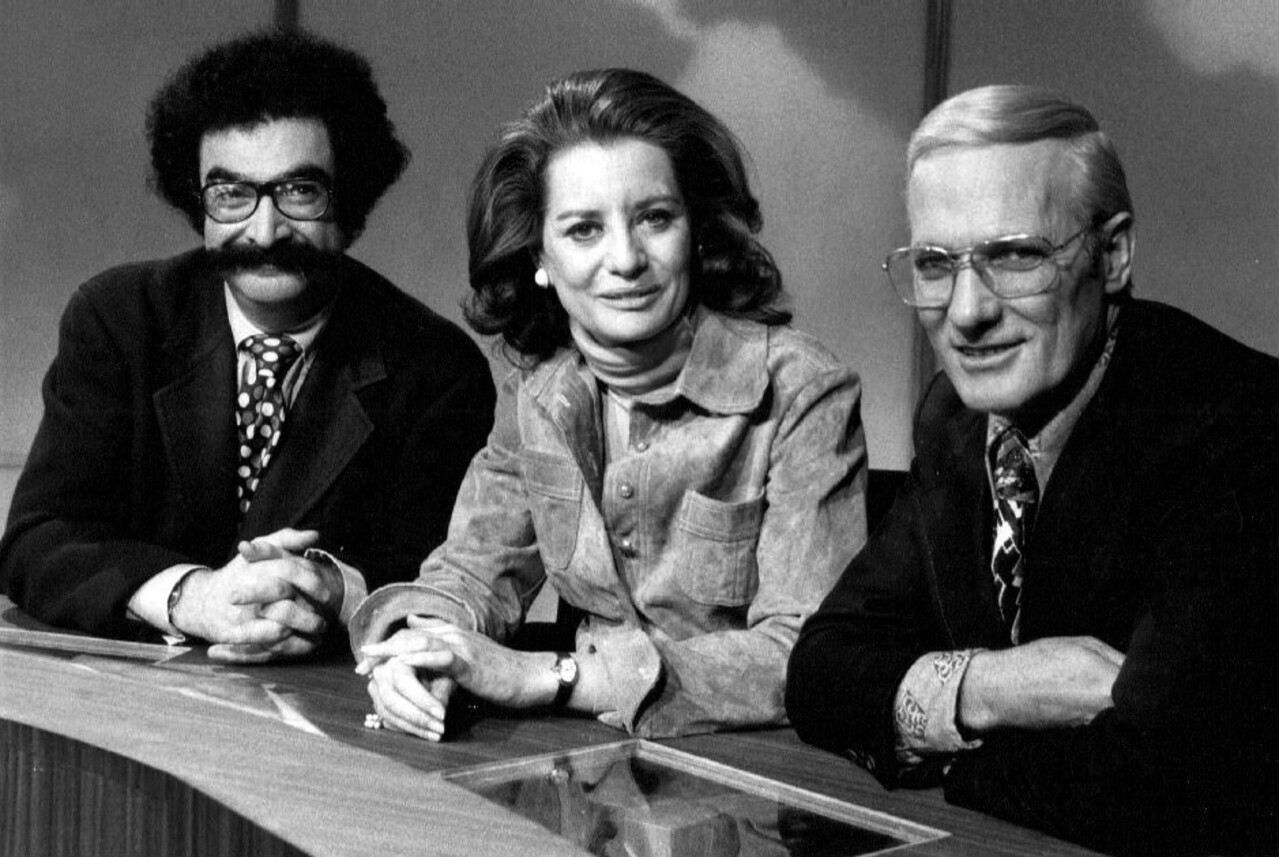
Shalit joined Today as a contributor in 1970 and became arts editor in 1973, eventually turning his appearances into one of the longest continuous runs by any personality on a daily network television program. That longevity is not a trivial footnote. It placed him in rare company, spanning multiple host eras, major changes in broadcast journalism, and dramatic shifts in how Americans consumed entertainment news.
He began reviewing films in the era of Patton and Love Story and remained on air long enough to review Shrek Forever After near the end of his run. Few critics can claim to have bridged such different cinematic periods on one platform. His career stretched from the last great age of studio-star publicity to the fully industrialized blockbuster era, giving him a front-row seat to Hollywood’s changing priorities.
That endurance also reflected professional adaptability. Morning television is a demanding format because it asks critics to be concise, energetic, and intelligible to a broad audience before most viewers have finished their coffee. Shalit mastered that balancing act, delivering judgments quickly while preserving a sense of theatrical flair that made the segment itself part of the entertainment.
Why His Style Worked for Millions of Viewers
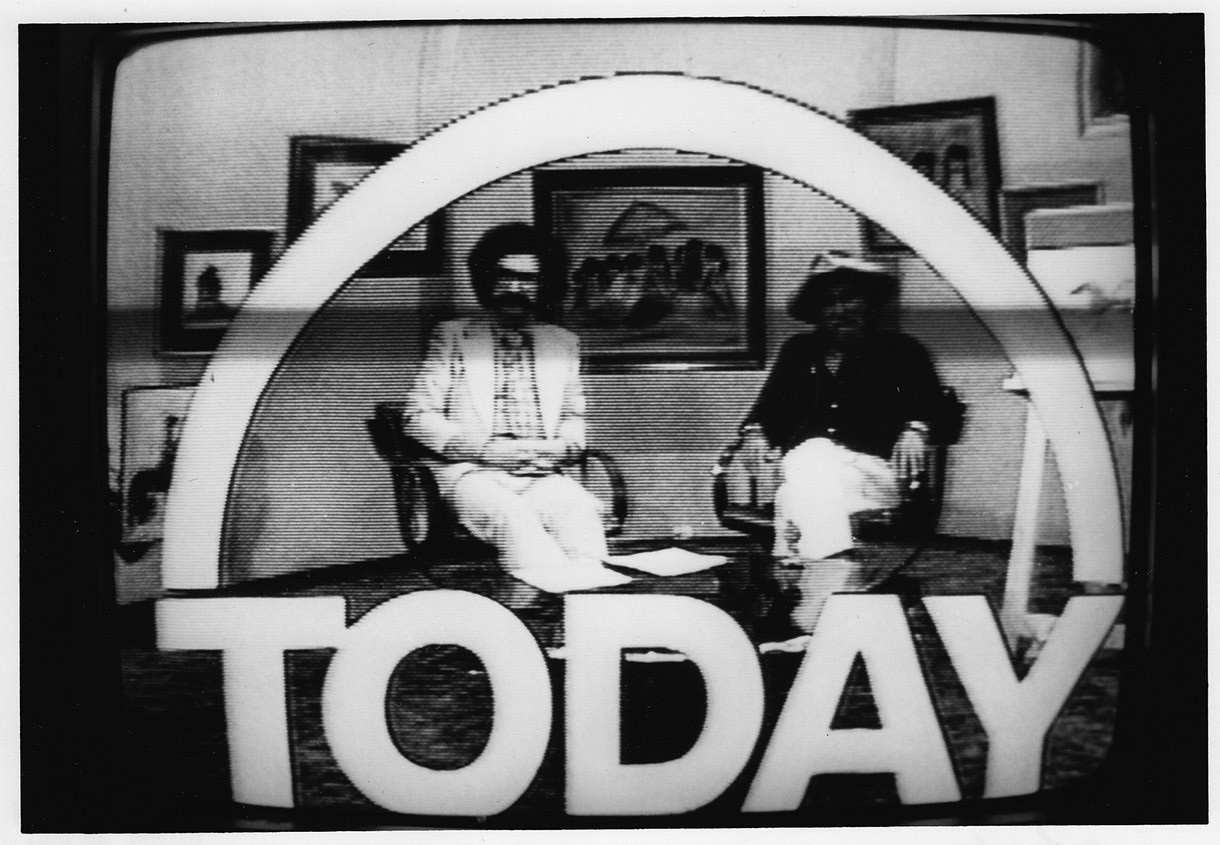
Shalit’s criticism was inseparable from performance, and that is precisely why he mattered. He did not pretend to be a detached academic arbiter of culture. Instead, he treated criticism as popular communication, using verbal invention and comic timing to make film talk feel approachable for viewers who might never open a formal arts section or watch a long-form review show.
The Associated Press noted his famous affection for pun-heavy commentary, including his memorable description of King Kong as something so enormous that it required made-up language to capture its scale. That approach made him easy to parody, but parody is often a measure of cultural saturation. If comedians and animated series kept imitating Gene Shalit, it was because audiences instantly knew who he was.
For many viewers, he functioned as a trusted middleman between Hollywood promotion and consumer choice. You might not remember every review, but you remembered the feeling of his presence: brisk, colorful, and self-aware. In a medium increasingly crowded by interchangeable commentary, Shalit’s style affirmed that criticism could still bear the mark of a singular human voice.
Beyond the Mustache, There Was Real Critical Substance

It would be easy to reduce Shalit to a bundle of mannerisms, but that would miss the intelligence under the showmanship. Colleagues repeatedly described him as sharp, well-read, and unusually skilled at making serious cultural judgments sound light on their feet. His best work did not hide behind ornamentation; it used humor to lower the barrier to entry for mass audiences.
One of his most quoted judgments was his praise for The Color Purple, which he framed in emphatic moral terms rather than technical jargon. That choice reflected a broader instinct: he often reviewed movies according to emotional and cultural impact, not just formal craft. In a morning-show environment, that emphasis made sense because viewers were deciding what a film meant for their time, money, and attention.
There was also discipline in his brevity. Television criticism on a national breakfast show leaves little room for wandering analysis, so every phrase had to do several jobs at once. Shalit’s wordplay, whatever one thought of it aesthetically, served as a compression tool. It helped package evaluation, tone, and memorability into a few compact moments that audiences could instantly absorb.
What His Death Says About a Vanishing Media Era

Shalit’s passing feels significant because it underscores how much the structure of criticism has changed. When he retired in 2010, he was already among the last high-profile critics on a major network morning show, according to AP’s obituary coverage. That fact alone illustrates how far broadcast media had moved from making space for standalone critical voices within general-interest programming.
Today, movie discussion is abundant but scattered. Viewers can choose from podcasts, newsletters, video essays, aggregator scores, social clips, and niche fandom channels. What has been lost, however, is the unifying force of a critic who addressed a broad national audience at the same time and in the same place each morning. Shalit belonged to that older ecology of shared attention.
His death therefore marks more than the loss of a celebrity pundit. It marks the fading of a format in which personality, journalism, and cultural gatekeeping coexisted on network television without apology. Whether one loved his puns or groaned at them, Gene Shalit symbolized a moment when critics were not just content producers but public fixtures.
Remembering the Man Behind the Broadcast Persona

The affection in the immediate tributes suggests that Shalit’s colleagues saw more than an eccentric screen presence. NBC reporting and obituary accounts emphasized a long life that extended well beyond the frame viewers knew best, including a career built on consistency, preparation, and an evident love of language. Public personas that durable do not happen by accident; they are sustained by craft.
His appeal also crossed generations in a way that modern media figures rarely manage. Older audiences remember him as a staple of appointment television, while younger people often encountered him through archival clips, parody, or references in popular culture. That unusual afterlife kept him culturally legible even after his retirement.
In the end, Gene Shalit leaves behind more than a pile of punch lines and old review tapes. He leaves a blueprint for how criticism can be personal without becoming self-indulgent, and entertaining without surrendering judgment. At 100, he had already outlived most of the media world he helped define. Now that he is gone, that world feels a little farther away.