


Rumors move faster than facts, especially when they involve a famous name. The viral claim that Tay Keith was found dead at 29 has triggered grief, confusion, and sharp demands for answers across the music community.
How the rumor spread so quickly

The claim gained traction through reposted social media messages, short-form videos, and emotionally charged tribute graphics that looked authoritative at first glance. In celebrity news cycles, visual presentation often creates instant credibility, even when the underlying information is thin or entirely unsupported. Fans encountered the story in feeds designed to reward urgency, not verification.
That pattern is now familiar. A dramatic headline appears, screenshots multiply, and users begin mourning before any established outlet or official representative confirms the event. In the case of Tay Keith, the rumor appears to have traveled ahead of documented facts, leaving many followers unsure whether they were witnessing breaking news or a manufactured hoax.
Music fans are particularly vulnerable to this kind of confusion because the industry runs on constant online engagement. Producers, rappers, collaborators, and fan pages interact in real time, so silence can be misread as confirmation. When no immediate statement arrives, speculation fills the gap.
What is actually known right now
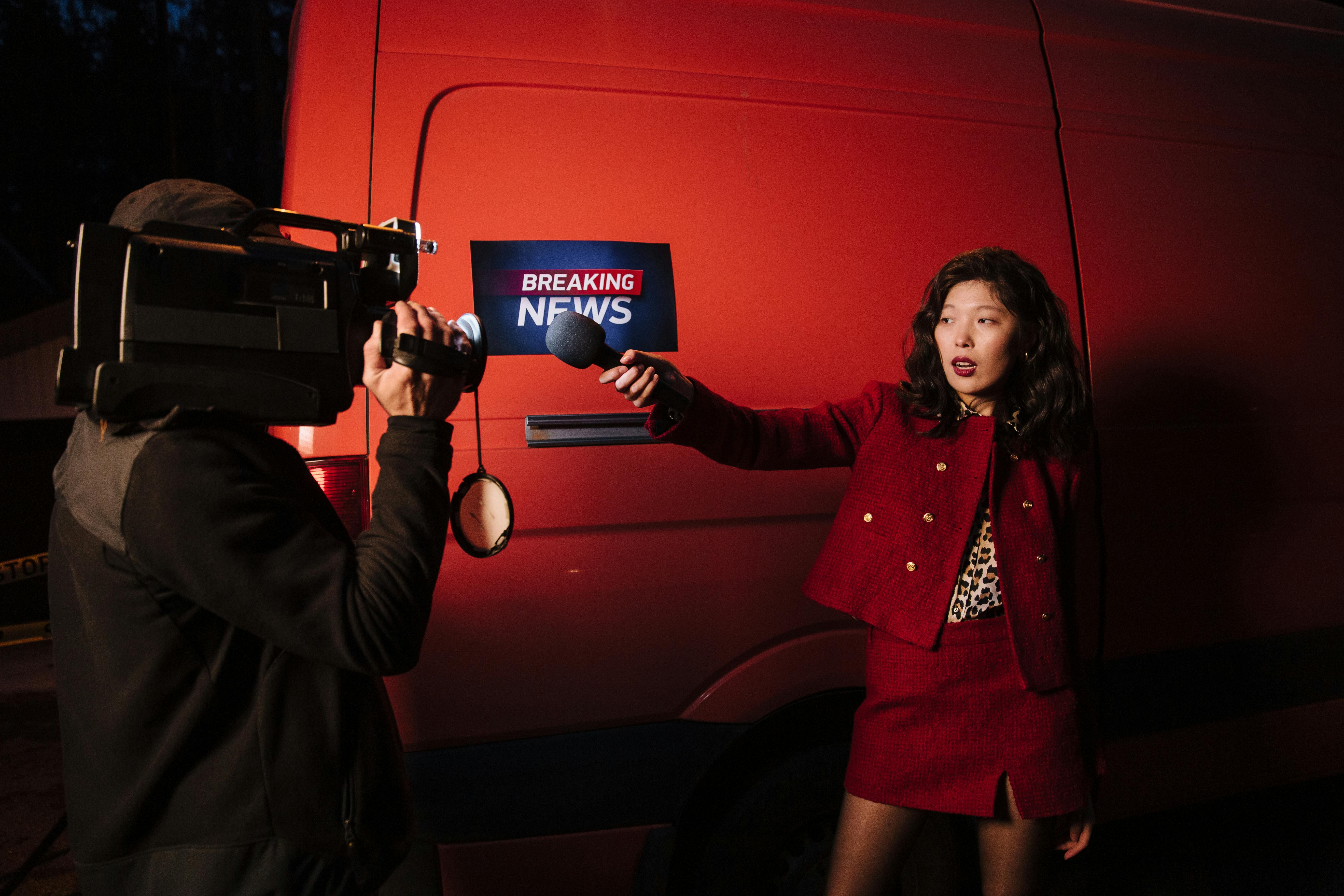
At the center of the controversy is a simple but critical question: has any credible authority confirmed that Tay Keith is dead? Based on the information publicly available, the answer appears to be no. There has been no widely recognized official confirmation from law enforcement, family representatives, management, or major verified reporting institutions establishing the claim as fact.
That absence matters. In legitimate death reporting involving a public figure, confirmation usually comes from one of a few clear channels: family statements, publicists, police, medical examiners, or major news organizations citing direct sources. Without that chain of verification, a viral post remains a rumor, no matter how widespread it becomes.
Tay Keith, born Brytavious Chambers, is one of the most recognizable producers of his generation, tied to major hits and artists across hip-hop. Because of that visibility, false news about him carries unusual force. The public interest is understandable, but responsible coverage requires distinguishing between emotional reaction and confirmed reality.
Why the story hit the industry so hard

Tay Keith is not a fringe figure whose name would pass unnoticed outside niche circles. His producer tag is embedded in mainstream rap culture, and his work has shaped the sound of a significant era in Southern hip-hop. That prominence helps explain why the rumor sparked such a broad and immediate reaction from listeners, artists, and industry observers.
In recent years, the music world has been repeatedly jolted by sudden losses, from emerging rappers to established stars. That history has created a climate in which shocking death reports feel tragically plausible. Many fans no longer treat these headlines with skepticism because they have seen too many real ones become true.
There is also a deeper emotional layer at work. Producers often feel both central and invisible, known by sound before face, so a viral death rumor can awaken a protective response from the community. People are not only reacting to one headline; they are reacting to a larger sense of instability, grief fatigue, and mistrust around celebrity news.
The demand for answers and accountability

Calls for answers are coming from more than curiosity. Fans want to know who started the claim, why it spread so widely, and whether any platform action will follow. In an era when false reports can generate views, shares, and ad revenue, many see misinformation not as harmless gossip but as a form of exploitation.
This is especially serious when the subject is a living person. False death claims can traumatize families, disrupt business relationships, and create real reputational damage. They can also overwhelm official channels, forcing artists’ teams to spend time correcting fiction instead of handling actual professional and personal matters.
The demand for accountability extends to social platforms, fan pages, and content creators who post first and verify later. Audiences increasingly expect basic standards: cite a source, identify confirmation, and avoid packaging rumor as fact. Without those standards, every viral claim becomes a stress test for public trust.
What this reveals about celebrity misinformation

The Tay Keith death rumor reflects a larger crisis in digital media literacy. Many users now receive breaking news through algorithmic feeds where emotionally intense content is elevated because it performs well. A post that provokes shock can outrun a careful correction by hours, sometimes by days.
Researchers studying misinformation have long noted that false claims often spread because they are simpler and more dramatic than the truth. A blunt statement like “found dead at 29” is designed for immediate emotional impact. By contrast, verified reporting is slower, more conditional, and less likely to trigger impulsive sharing.
Entertainment news is especially exposed because audiences feel personally connected to artists they may never meet. That parasocial bond encourages people to repost tributes, react publicly, and join communal mourning before facts settle. The result is a feedback loop in which engagement itself becomes mistaken for evidence.
What readers should do before believing viral death reports

The first rule is to pause. If a death report appears only in screenshots, fan captions, or anonymous accounts, that is a warning sign, not confirmation. Look for reporting attributed to named organizations, official representatives, or public agencies with direct knowledge of the situation.
A second step is to compare multiple credible sources rather than relying on repeated versions of the same unverified claim. Ten accounts copying one rumor do not create proof. In fast-moving entertainment stories, duplication often masquerades as consensus even when no original confirmation exists.
Finally, readers should resist the pressure to perform immediacy online. Sharing condolences may feel compassionate, but when the underlying claim is unverified, it can deepen harm. The most responsible response to the Tay Keith rumor is to demand facts, reject sensationalism, and remember that behind every trending name is a real human being.