

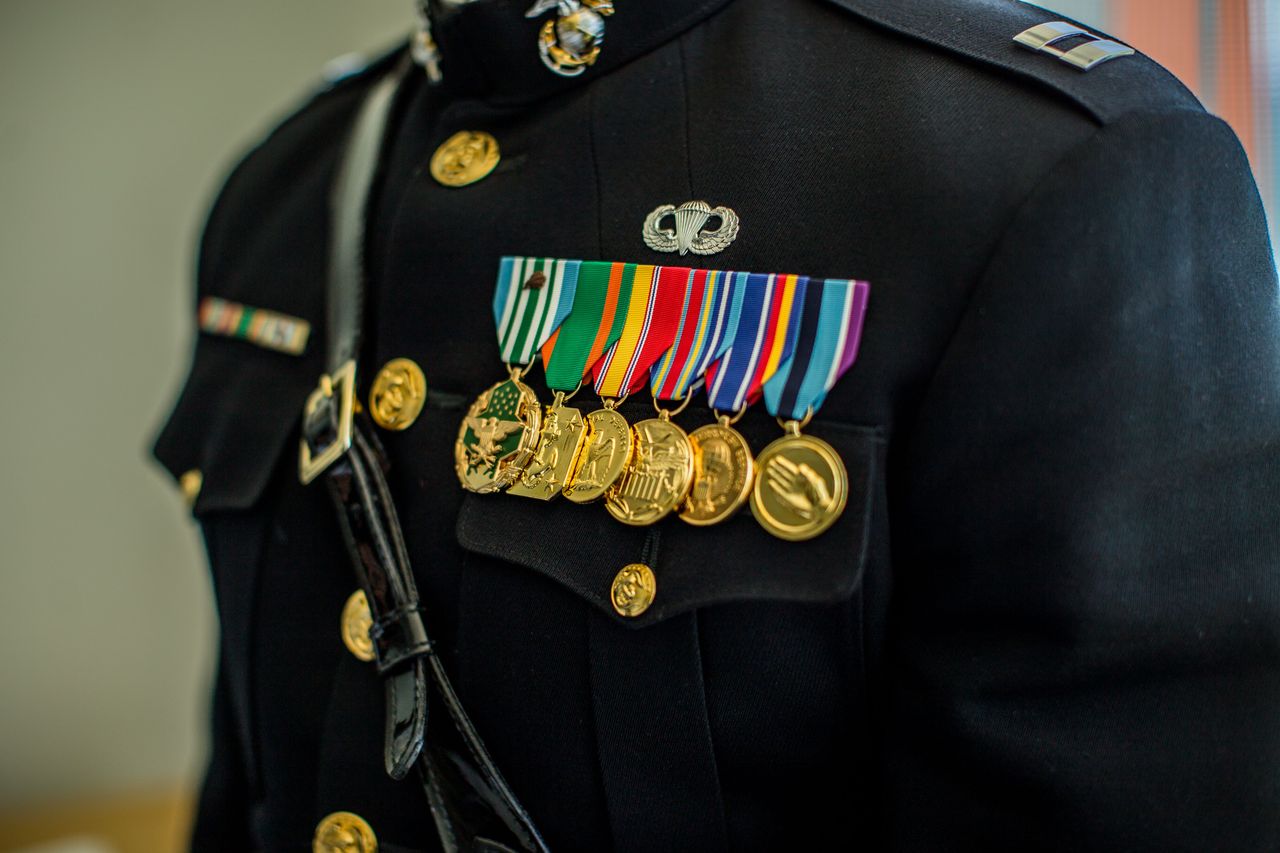
Some acts of courage take years to be fully understood. For three veterans of Vietnam and Afghanistan, that recognition has now arrived at the highest possible level.
Why These Awards Matter Now
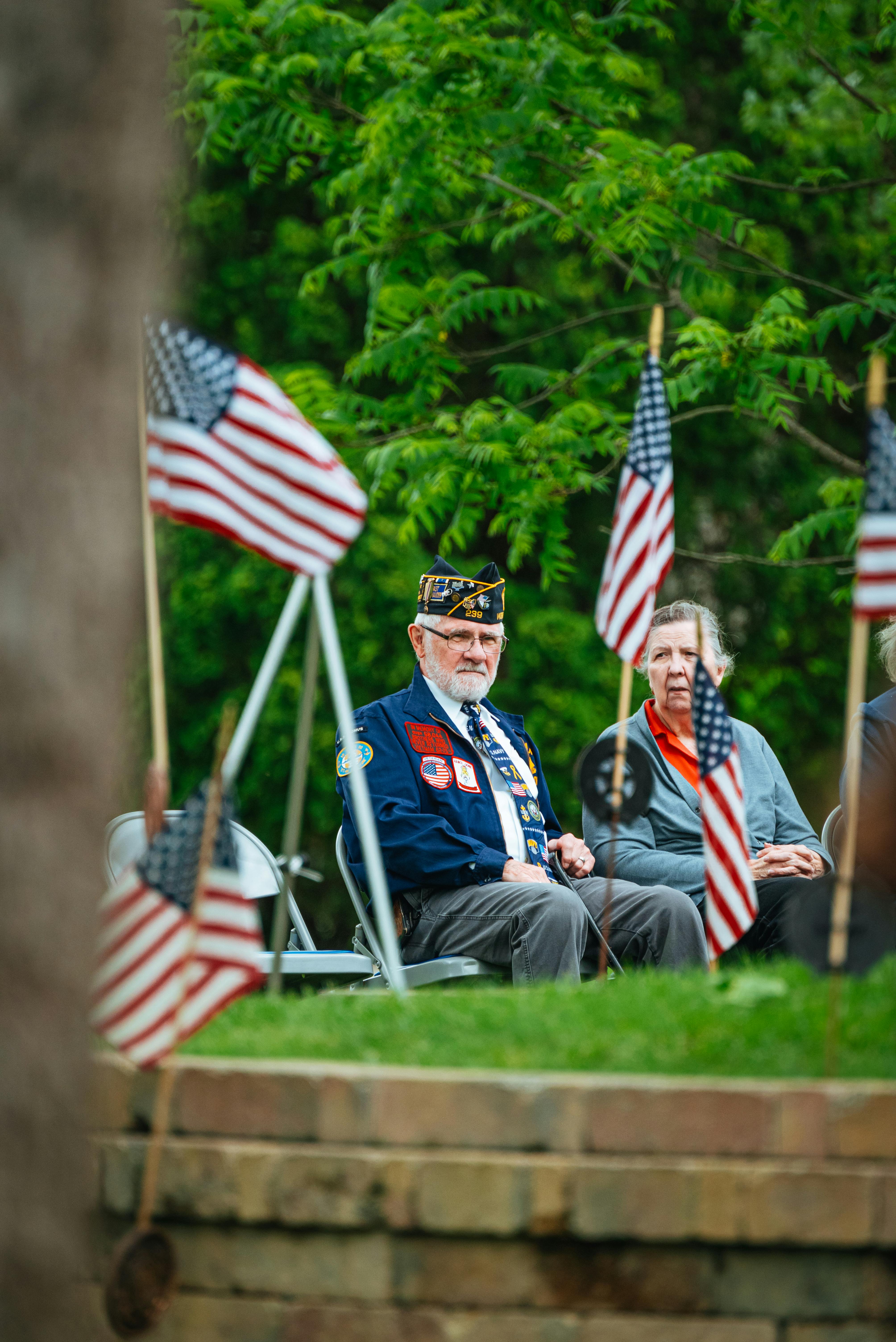
The Medal of Honor is the United States’ highest military decoration, reserved for service members whose actions go far beyond the call of duty. It is awarded rarely, and only after extensive military review, documentary analysis, eyewitness testimony, and presidential approval. When new recipients are announced decades after combat, the moment is not merely ceremonial; it reflects a long process of reexamining battlefield records and ensuring that exceptional bravery receives the recognition it merits.
These three veterans represent two very different wars and two distinct eras of American military service. Yet their stories are linked by a common thread: each man placed himself in extraordinary danger to protect fellow troops during chaotic, life-threatening combat. According to official military accounts and White House descriptions of such awards, these cases often involve split-second decisions made under fire, where survival depended on uncommon resolve.
The timing also underscores an important shift in how the military reviews historical actions. In recent years, the Pentagon has revisited earlier recommendations, especially in cases where acts of valor may have been undervalued at the time. For families, surviving comrades, and veterans’ communities, these upgrades are about more than medals; they are about historical accuracy, institutional memory, and national gratitude.
The Vietnam Heroism Finally Recognized

For the Vietnam veteran among the three recipients, the award carries the weight of more than half a century. Vietnam-era valor cases have frequently been revisited because chaotic battlefield reporting, administrative delays, and the political turbulence surrounding that war sometimes affected how heroism was documented. In many instances, service members initially received lower awards, only for later reviews to conclude that their actions met the standard for the Medal of Honor.
What typically defines these Vietnam cases is the intensity of close combat. Soldiers often faced ambushes, entrenched enemy fire, and rapidly collapsing defensive positions in dense terrain. In such environments, a single person’s willingness to charge toward danger, evacuate the wounded, or hold a position against overwhelming odds could determine whether others lived. The newly honored veteran’s actions fit that tradition of self-sacrifice that has marked some of the war’s most enduring stories.
The delayed recognition is significant because Vietnam veterans have long argued that their generation’s service was too often overshadowed by domestic division at home. A Medal of Honor awarded today does not rewrite that painful history, but it does reaffirm a simple truth: valor in battle stands apart from politics. It honors the individual act, the lives saved, and the moral courage shown under the harshest possible conditions.
Afghanistan’s Battlefield Reality

The two Afghanistan veterans recognized alongside the Vietnam recipient come from a very different kind of war. Afghanistan combat often involved counterinsurgency operations, mountain warfare, improvised explosive threats, and fast-moving engagements where enemy fighters struck from concealed positions. Heroism in that theater frequently meant reacting instantly to ambushes, exposing oneself to direct fire, and continuing to lead even while wounded or cut off.
In modern warfare, battlefield actions are often documented more thoroughly than in earlier conflicts. Radio logs, aerial surveillance, helmet cameras, and after-action reports can provide a clearer record of what happened. Even so, the standard for the Medal of Honor remains exacting. The evidence must show conspicuous gallantry and intrepidity at the risk of life above and beyond the call of duty, a threshold that only the most extraordinary actions can satisfy.
For veterans of the post-9/11 era, these awards resonate deeply because they recognize the human cost of a war that stretched across two decades. Many Americans followed Afghanistan in headlines about strategy, withdrawal, and geopolitics. Medal of Honor citations cut through abstraction. They return attention to the platoon level, where individual decisions in seconds of terror shaped survival, mission success, and the fate of entire units.
What the Medal of Honor Represents
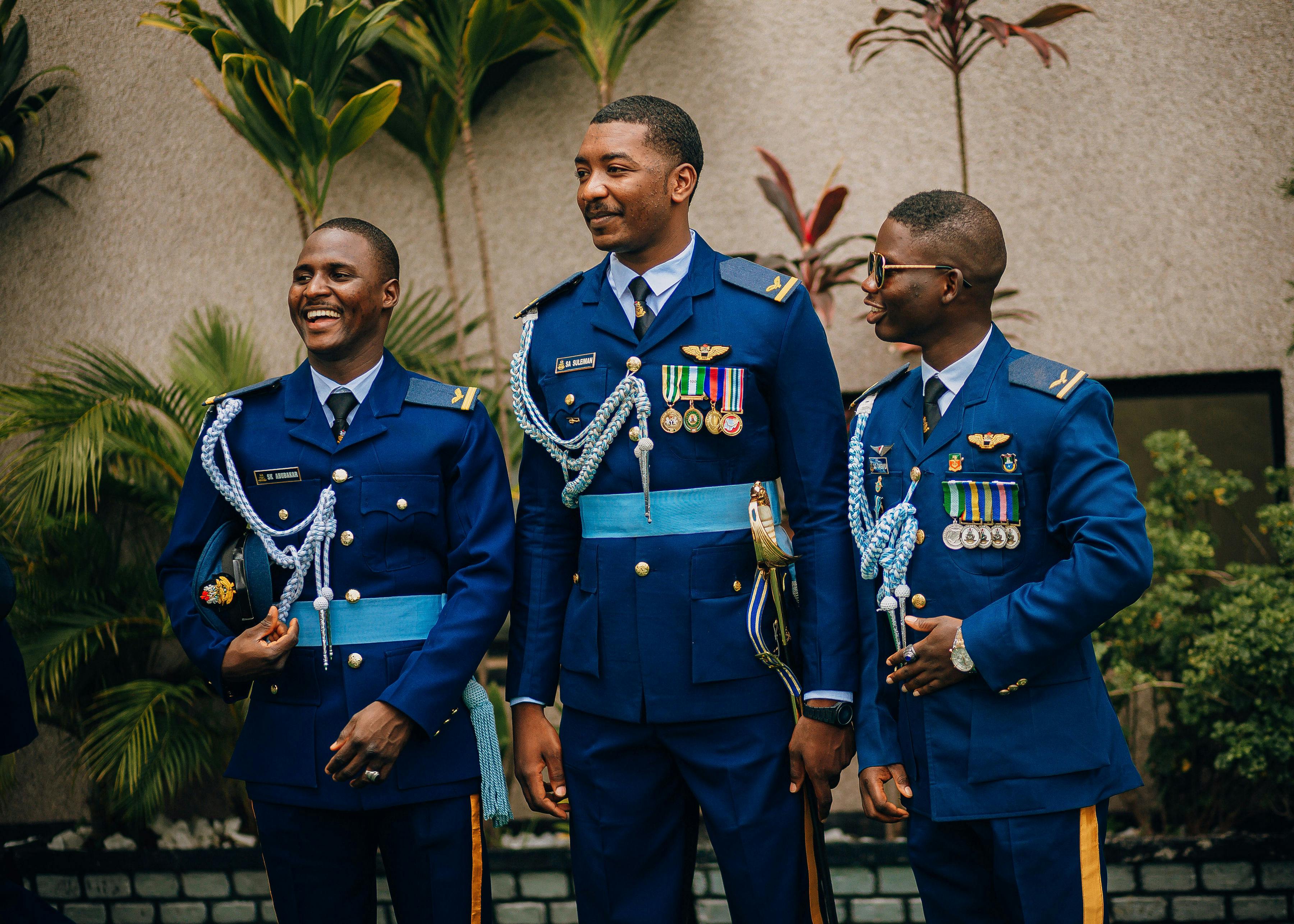
The Medal of Honor occupies a singular place in American civic life because it is not simply a military decoration; it is a public statement about the highest form of service. Recipients are honored not for general excellence, long careers, or loyalty alone, but for a specific act of courage so exceptional that it becomes part of the nation’s permanent historical record. That is why every award carries immense symbolic weight.
The review process is intentionally rigorous. Recommendations move through chains of command, legal and historical evaluations, service secretaries, the Defense Department, and ultimately the president. In delayed cases, investigators may revisit archival material, compare testimonies, and resolve discrepancies that persisted for years. This painstaking method helps explain why some awards arrive long after the battlefield event itself, sometimes when veterans are elderly or after they have died.
That delay can make the ceremonies emotionally complex. Recipients and families often describe gratitude mixed with remembrance of the friends who did not come home. The medal recognizes one person, but it also points to the wider unit, the shared ordeal, and the losses that shaped the action. In that sense, every presentation is both an individual honor and a collective act of national memory.
The Human Stories Behind the Ceremony
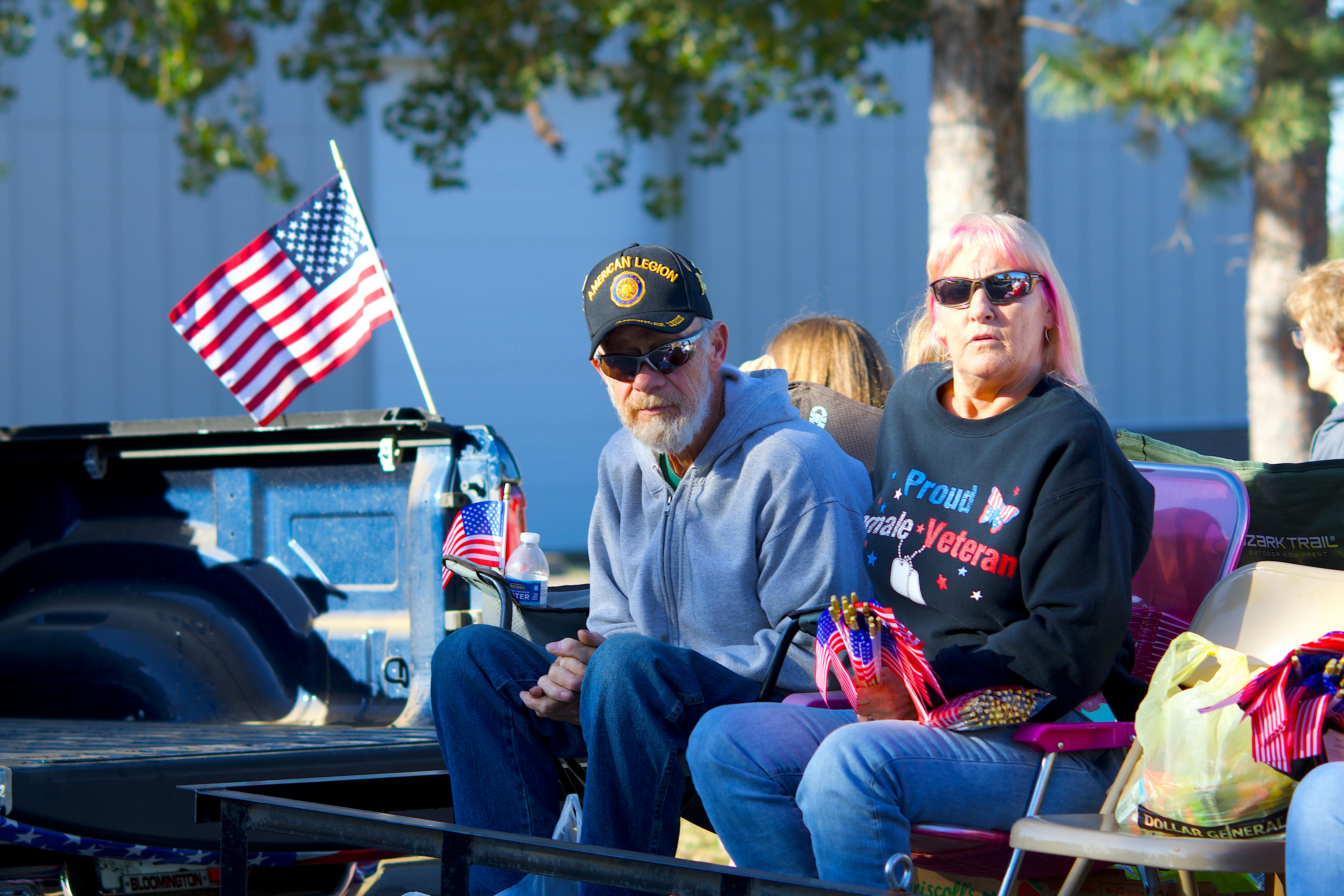
Public attention naturally focuses on the pageantry of a White House medal ceremony, but the real center of these awards is intensely personal. In many Medal of Honor stories, the defining act involves shielding wounded comrades, returning to fire-swept terrain to retrieve the injured, or refusing evacuation while others remain exposed. These are not abstract demonstrations of bravery; they are decisions rooted in loyalty, training, and an instinct to protect others.
For families, especially after decades of waiting, the recognition can validate stories they have carried privately for years. Spouses, children, and grandchildren often learn that the modest veteran they knew had once performed an act of almost unimaginable courage. Fellow service members may also see the award as overdue justice, especially if they witnessed the event and believed from the start that the highest honor was warranted.
These ceremonies can also reshape public understanding of war. They remind civilians that military history is built not only from commanders and campaigns, but from ordinary Americans confronted with extraordinary tests. A farm kid, a mechanic, a squad leader, or a young infantryman can become the hinge on which many lives turn. That is the enduring power of these stories.
A Lasting Legacy for Veterans and the Nation
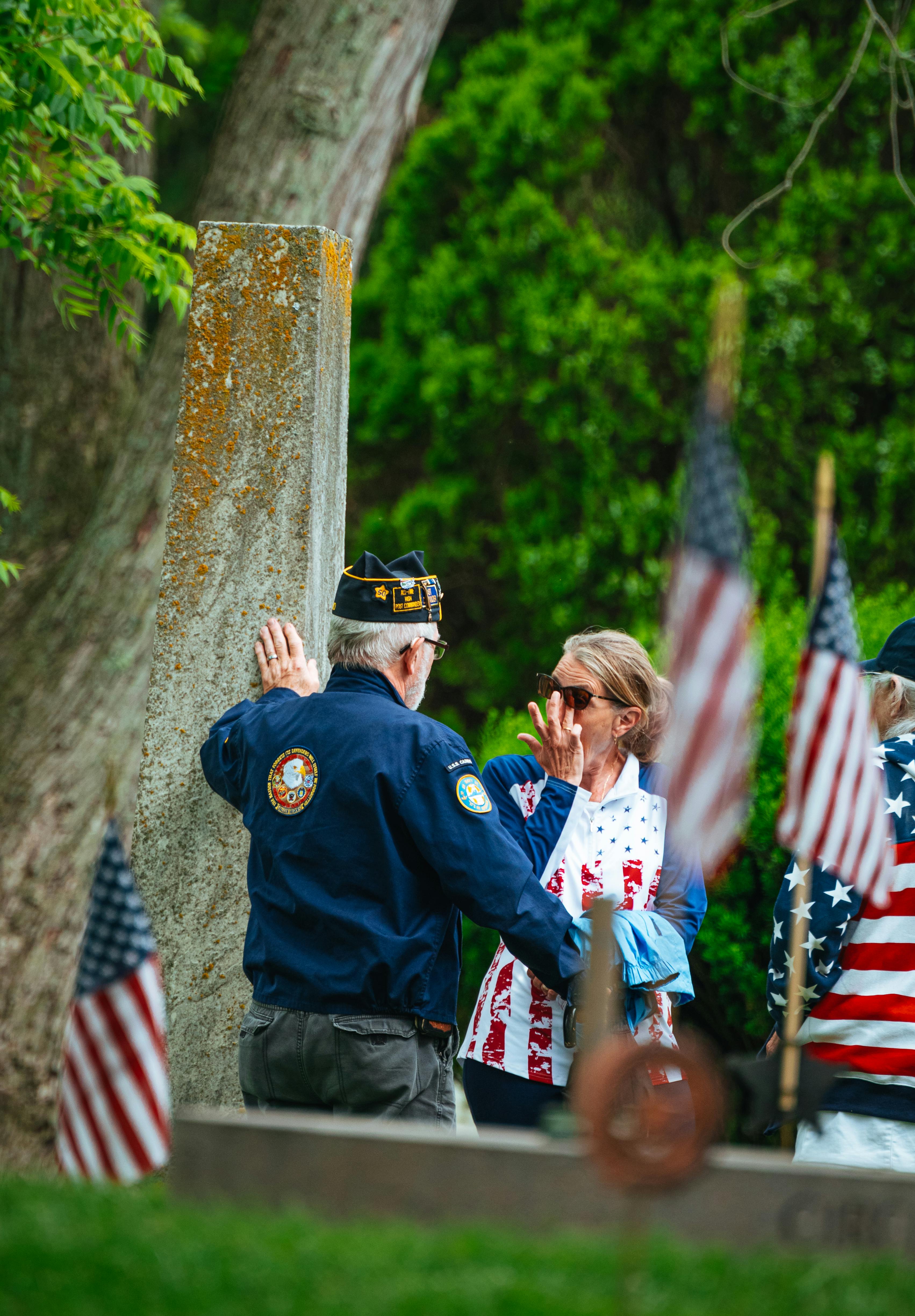
The recognition of these three veterans arrives at a moment when the country continues to debate how it remembers war. Honoring battlefield valor does not erase the complexity of Vietnam or Afghanistan, nor does it settle every argument about policy. What it does is affirm that, within those conflicts, Americans acted with uncommon courage in defense of one another. That distinction matters historically and morally.
For the broader veterans’ community, such awards can encourage renewed attention to unresolved cases. Historians, advocates, and former commanders have increasingly pushed for a careful review of records where heroism may have been underrated. Each upgrade signals that the system, while imperfect, remains capable of correction. It also reassures service members that extraordinary sacrifice will not be forgotten simply because time has passed.
Ultimately, the Medal of Honor is about memory anchored in action. These three veterans now stand in a line of Americans whose battlefield choices embodied the nation’s highest ideals of duty, sacrifice, and courage. Their wars were different, their generations far apart, and their circumstances unique. But the meaning of their recognition is shared: when everything was at stake, they chose others before themselves.