

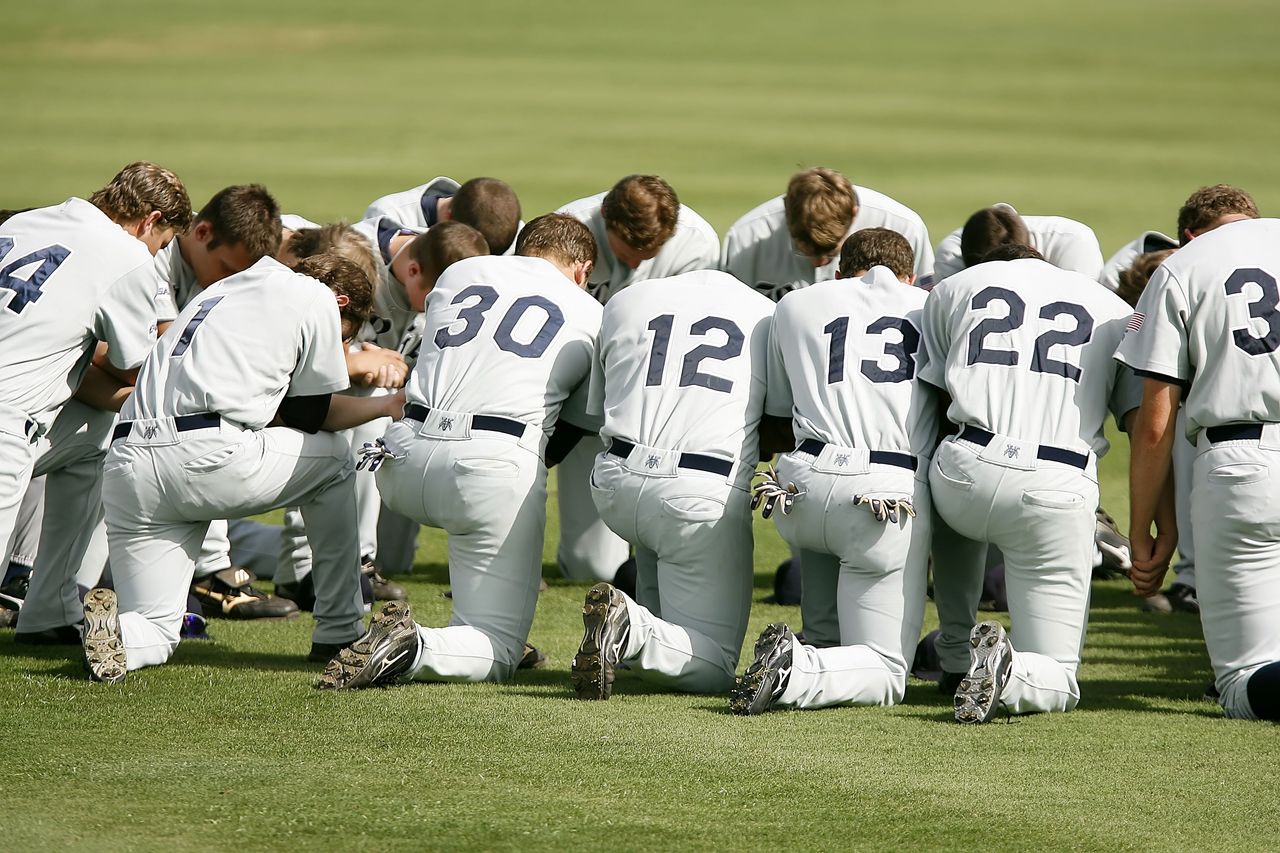
A minor league game in Pennsylvania became something much bigger than baseball. What should have been a community celebration instead exposed a deep and growing fault line in American sports.
A Pride Night Promotion Became a National Story

The team at the center of the controversy was the York Revolution, an Atlantic League club in Pennsylvania. The organization had scheduled its 11th annual Pride Night for Thursday, June 18, 2026, against the Southern Maryland Blue Crabs, part of a promotional calendar that had been announced months earlier. York’s own schedule listed the event as “Pride in the Park Jersey Auction,” underscoring that the night was not an improvised gesture but a planned part of the club’s public identity.
According to the Associated Press, the Revolution said several players refused to wear the special Pride-themed jerseys prepared for the event. Rather than cancel the promotion itself, the club chose to forfeit the game. That decision instantly transformed what might have been an internal dispute over uniforms into a public statement about organizational priorities.
The language from the club was unusually direct. Reporting on the team’s statement said York described the players’ refusal as inconsistent with the club’s vision and said the game would be forfeited out of respect for the Pride community and the wider York community. In practical terms, the team decided that preserving the event mattered more than taking the field under altered terms.
That choice is one reason the story traveled so quickly. Teams often try to contain culture-war controversies, but York did the opposite: it accepted a competitive penalty rather than diluting the event. In doing so, the club made clear that Pride Night was not merely a marketing theme but part of how it wanted to define itself in public.
Why the Jersey Dispute Carried So Much Symbolic Weight
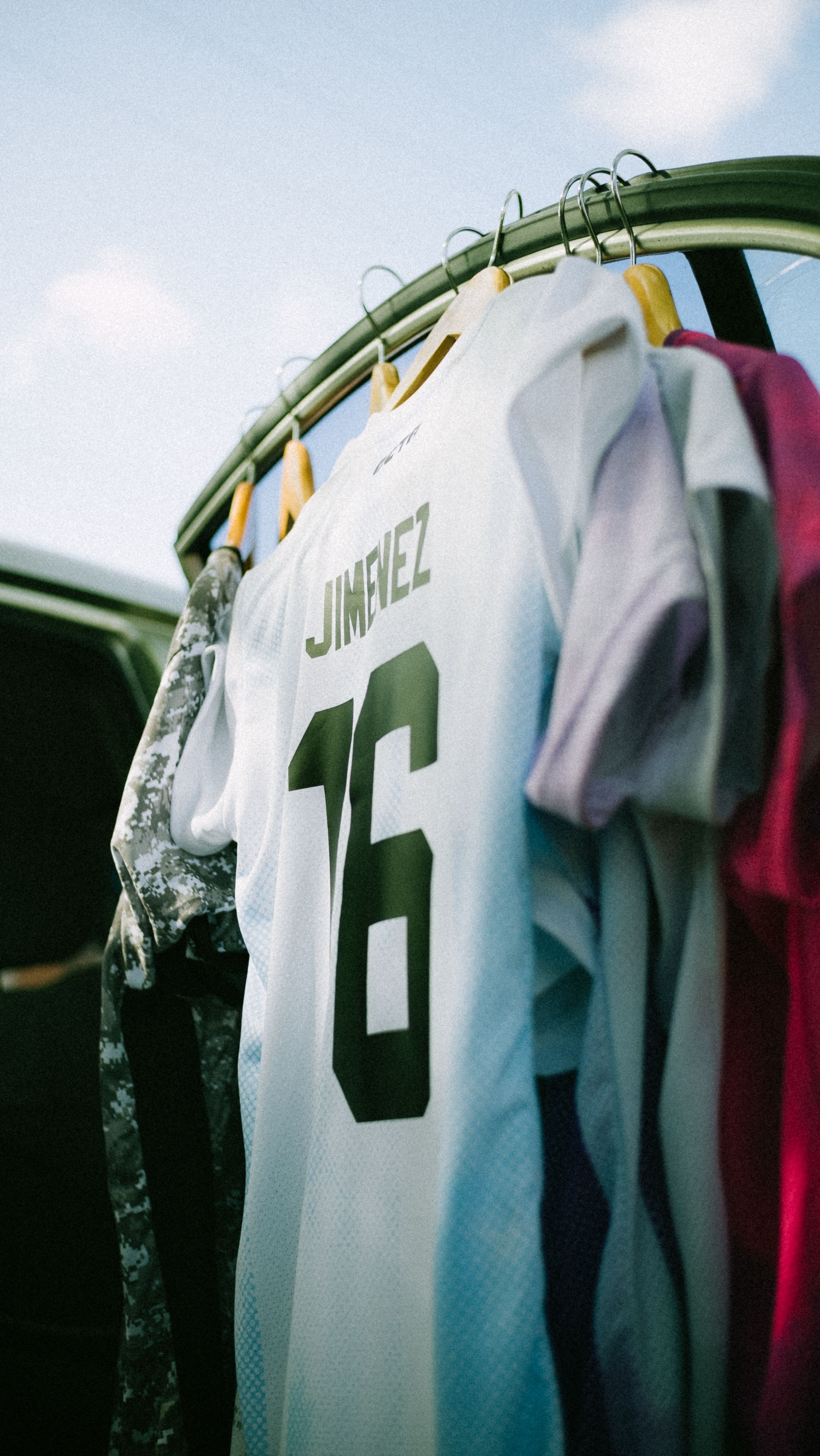
In sports, uniforms are never just fabric. They signal identity, solidarity, and the message a team wants to send to its fans, sponsors, and community partners. That is why disagreements over themed jerseys routinely become bigger than the underlying game, especially when they involve Pride symbols, faith-based objections, or questions of compelled participation.
This latest episode lands in a sports environment already charged by similar disputes. The Associated Press reported this week that Major League Baseball warned San Francisco Giants pitchers after some added Bible verses to Pride Night caps, a separate but related controversy that showed how sensitive the league has become about uniform modifications. Even when leagues frame such cases as rule enforcement, the public often sees them through the lens of politics and culture.
Baseball has been especially exposed to these tensions because its season runs through June, when Pride events are common across North American sports. AP noted that MLB has been a leader among the major U.S. men’s leagues in hosting Pride Nights, and recent coverage indicated that all but one MLB team scheduled such an event in 2026. That broad institutional embrace has made refusals more visible, not less.
The result is a recurring clash between two ideas that many teams struggle to reconcile. One is the belief that inclusion initiatives should be visible, explicit, and institutionally backed. The other is the belief that individual players should not be required to wear symbols they view as ideological or religiously conflicting. York’s forfeiture forced those competing principles into direct confrontation.
The Team’s Decision Was About More Than One Night

The Revolution’s move mattered because it was costly. A forfeit is not symbolic in the abstract; it affects standings, competitive credibility, and public perception. Coverage circulating after the decision emphasized that York did not simply remove the jerseys and proceed with the game. Instead, the club accepted the baseball consequences and continued with Pride Night programming.
That distinction is essential. Teams facing controversy usually look for compromise, often by making themed items optional or shifting emphasis to off-field ceremonies. York appears to have concluded that compromise would undercut the meaning of the event. In effect, the organization treated the refusal not as a simple wardrobe disagreement but as a challenge to the values it had already put before fans and community partners.
There is also a business dimension that should not be ignored. Pride Nights are community-facing events that can involve ticket promotions, special auctions, local advocacy partnerships, and sponsor expectations. When a team advertises a branded night and then retreats from it, the damage extends beyond one roster decision. It can affect trust with fans who bought tickets for a specific atmosphere and cause friction with organizations that expected visible support.
By standing firm, York placed itself on one side of a debate that many clubs would prefer to navigate quietly. That does not eliminate criticism. Some observers will argue that the team should have separated the celebration from the uniform requirement. But from the club’s perspective, the higher institutional risk may have appeared to abandon a community it had courted for more than a decade.
Baseball Has Seen Versions of This Before
The York controversy did not emerge in a vacuum. In 2022, several Tampa Bay Rays players declined to wear rainbow-themed Pride logos during the team’s Pride Night, citing religious beliefs, an incident that drew national attention and sharp criticism. More recently, the Giants’ Pride Night cap dispute in June 2026 showed that even when players take the field, symbolic resistance can still reshape the story around the event.
These incidents reveal an important shift in how such controversies unfold. Earlier disputes were often treated as isolated clubhouse matters, but they now spread rapidly through national media and political commentary. AP’s recent reporting on MLB’s warning to Giants pitchers noted that Republican political figures quickly weighed in, a sign that these moments are no longer confined to sports pages.
The leagues themselves are also learning in public. Officials must balance uniform rules, labor realities, public image, and the need to avoid appearing selective in whose expression gets accommodated. That is an increasingly difficult line to hold when every jersey, patch, or cap alteration can be interpreted as either solidarity or coercion.
What makes baseball distinct is its long tradition of special uniforms and community-themed nights. Teams regularly wear designs tied to holidays, heritage celebrations, military appreciation, or local causes. That history weakens the argument that Pride-themed gear is somehow outside the normal promotional culture of the sport. At the same time, it strengthens the stakes when players refuse to participate.
What This Episode Says About the Future of Team Identity

The York Revolution story is likely to be remembered less for the lost game than for the precedent it set. A professional club publicly chose inclusion branding over short-term competitive participation, and it did so in language that framed the issue as part of its civic identity. For supporters of Pride programming in sports, that was a clear declaration. For critics, it was evidence that symbolic politics now shape operational decisions.
Either way, the broader lesson is that teams can no longer assume these nights will function as routine promotions. Pride events now test the alignment between front-office values, player beliefs, league rules, and fan expectations. When that alignment breaks down, the team must decide which constituency it is most willing to disappoint.
That is why this story resonated far beyond the Atlantic League. It touched the central modern question of sports branding: is a team merely an employer of athletes, or is it a public institution with obligations to represent a community’s values? York answered that question one way on June 18, 2026. Other clubs watching this unfold may eventually have to answer it for themselves.
For baseball, the immediate controversy will pass. The larger debate will not. As long as teams use the game as a platform for civic messages, disputes over who must wear those messages will remain one of the sport’s most volatile and revealing cultural battlegrounds.