

The Trump administration’s immigration enforcement agenda has faced repeated court scrutiny in 2026 as judges weigh how far federal agencies can go when changing long-standing practices. On June 23, that pressure focused on immigration courts, where a federal judge in California blocked a policy that had allowed arrests tied to the very cases people were appearing to address.
Judge vacates nationwide courthouse-arrest policy
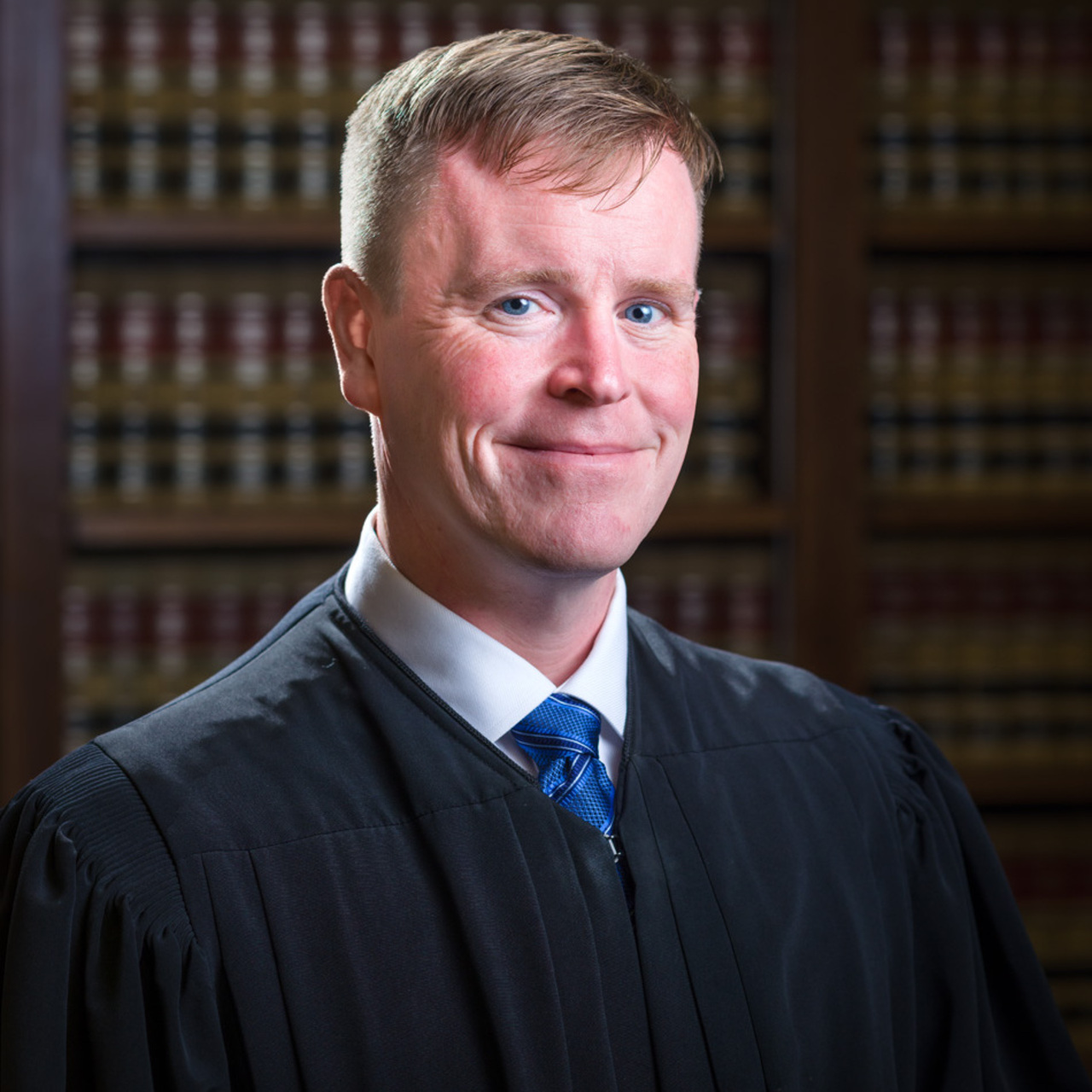
U.S. District Judge P. Casey Pitts in San Francisco barred the federal government from making arrests at immigration courts under the challenged policy, according to the ruling described by The Associated Press and Reuters. The order, issued Tuesday, June 23, found that Immigration and Customs Enforcement and the Executive Office for Immigration Review did not give a reasoned explanation when they abandoned earlier restrictions on courthouse arrests.
The decision applies nationwide, a significant scale in a court system used daily by immigrants, lawyers and federal officials across the country. Reuters reported that the 71-page ruling also struck down parts of a related Trump administration policy involving how long noncitizens could be held in short-term detention facilities after arrest.
Judge Pitts wrote that the administration’s shift reflected not simply poor reasoning but what AP described as a “complete lack of decision-making.” The case was brought after an asylum seeker was arrested following a routine hearing at the San Francisco immigration court, according to Reuters, making California the starting point for a policy fight with national consequences.
For California residents, lawyers and families with hearings in San Francisco, Los Angeles and other immigration courts, the immediate effect is that the challenged arrest practice can no longer be used while the ruling stands. CNN reported that the nationwide block means immigrants appearing in places including San Francisco, Miami, Chicago and New York are covered by the same order.
What is confirmed is the scope of the injunction and the judge’s finding that the agencies failed to justify the change under the Administrative Procedure Act. What is not yet known is how quickly the administration may seek emergency relief from an appeals court, or whether federal agencies will issue replacement guidance aimed at narrowing the ruling.
The federal government also has not released a public, comprehensive state-by-state count of arrests made under the courthouse policy. That limits direct comparisons among states, including California, New York and Florida. Still, the ruling addresses a practice immigrant advocates said discouraged attendance at court hearings, while the administration had defended arrests as part of broader enforcement efforts, according to AP and CNN.
The core issue in the case was not whether immigration enforcement exists at all, but whether the administration lawfully changed policy. Judge Pitts concluded that ICE and EOIR failed to explain why prior limits on civil arrests at immigration courthouses were removed and why newer restrictions used elsewhere were not extended to immigration courts, according to CNN’s account of the ruling.
AP reported that Pitts tied that conclusion to the Administrative Procedure Act, the 1946 federal law requiring agencies to engage in reasoned decision-making when they change course. In the judge’s view, the agencies did not adequately account for the consequences of making people choose between attending their hearings and risking arrest.
For residents and families following immigration cases, the practical takeaway is narrower than the broader political debate. The ruling does not end immigration enforcement generally, and it does not resolve every dispute over detention or removal policy. It does, however, restore a barrier against arrests at immigration courts unless a higher court intervenes or the administration adopts a new policy with a fuller legal explanation, as the reporting from AP and Reuters indicates.