

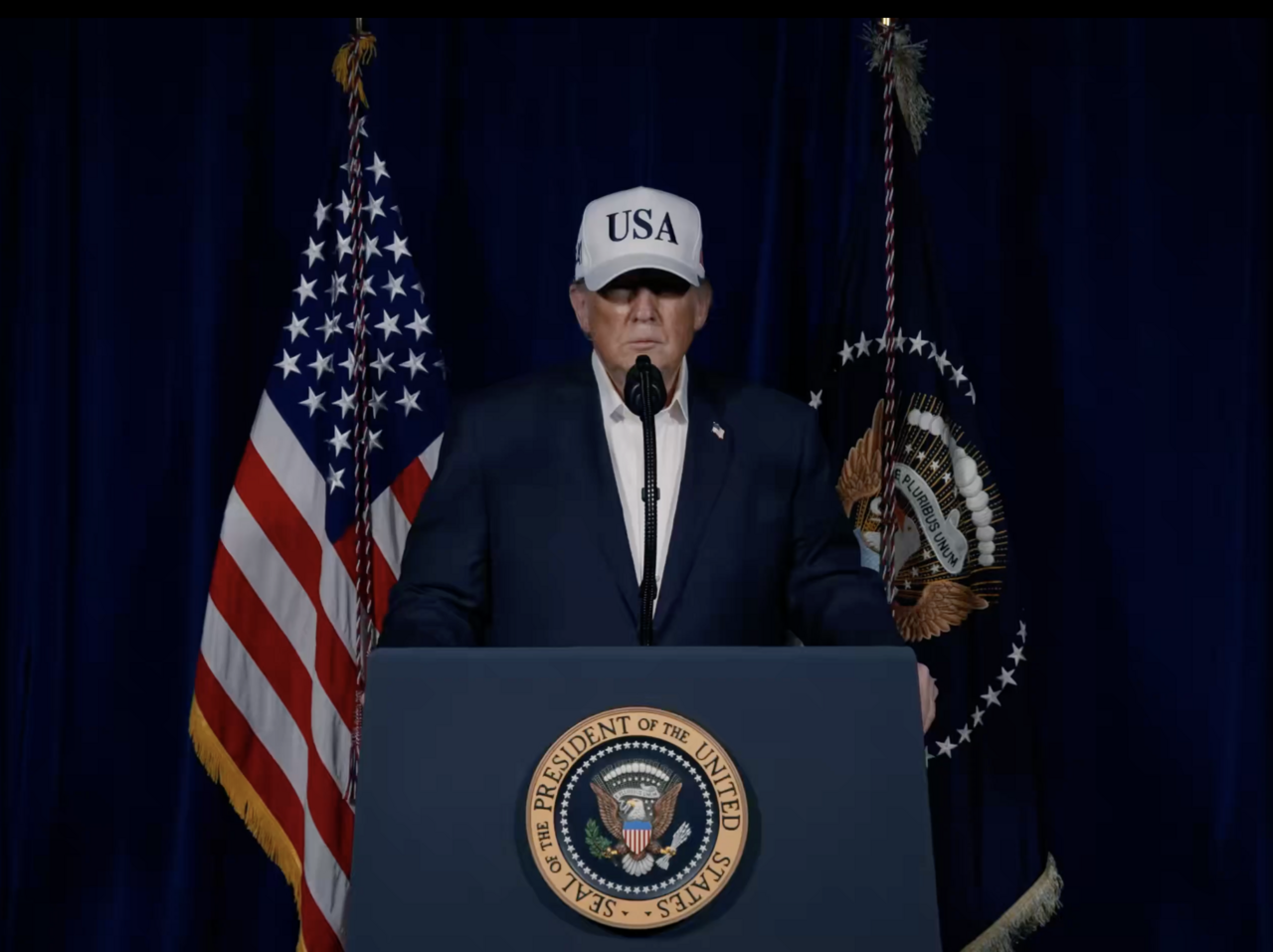
Tensions over Iran policy have again moved to the center of U.S. foreign affairs as the Trump administration promotes a new interim framework aimed at curbing Tehran’s nuclear program and reopening regional shipping lanes. The dispute sharpened on June 23, 2026, when Trump described Iran as having made major concessions, while Iranian officials said that account did not reflect what Tehran had agreed to.
Trump and Tehran offered sharply different versions of the same talks
President Donald Trump said this week that Iran had made important concessions tied to a U.S.-Iran interim arrangement, including steps involving inspections and broader nuclear restrictions, according to remarks reported by Reuters and the Associated Press. Trump has repeatedly said the understanding would ensure Iran never obtains a nuclear weapon, and he has presented the talks as a major diplomatic breakthrough after months of military and political escalation.
The administration’s public case has centered on a draft memorandum and follow-on negotiations. Reuters reported earlier in June that Trump said terms leaked by Iran did not match what had been agreed in writing, while also insisting the arrangement would deny Tehran a path to a nuclear weapon. Trump later said the memorandum was not yet final, underscoring that negotiations were still moving even as the White House described the framework in expansive terms.
Iranian officials publicly contradicted key parts of that message. On June 23, Iranian Foreign Ministry spokesperson Esmail Baghaei said U.N. inspectors were not scheduled to examine bombed nuclear sites and said Tehran had no such plans in place, according to the Associated Press. Earlier in the month, Reuters also reported that Iran said no final decision had been made on an agreement Trump said could be signed quickly.
Unlike a factory closure, regulatory filing or state budget move, this development does not carry a direct state-by-state footprint in the United States that has been publicly quantified. What is confirmed is that the dispute could affect sanctions policy, oil shipping through the Strait of Hormuz and the broader direction of U.S. security policy, all of which can reach American households through fuel prices, markets and federal spending. What is not yet known is whether the interim arrangement will be finalized in a form both governments describe the same way.
That uncertainty matters because the public record remains incomplete. Trump has referred to a written memorandum, but Reuters reported in mid-June that the text had not been made public even as the president defended its terms. Iranian officials, meanwhile, have continued to publicly narrow or reject elements that U.S. officials and Trump allies have presented as settled.
For U.S. residents, including readers far from Washington, the practical effect for now is indirect. There has been no publicly released comprehensive agreement text for Americans to review, and no final, jointly endorsed announcement showing that both governments accept the same concessions, inspection terms or enforcement steps. Until those details are published or formally signed, the real scope of the deal remains unsettled.
The deeper context is that both governments are trying to shape leverage at the same time they negotiate. Trump has alternated between saying Iran is close to an agreement and warning that military pressure could resume if he does not like the final outcome, according to Reuters. That approach has allowed the administration to frame the talks as strength-backed diplomacy rather than a return to the older nuclear deal model Trump long criticized.
Iran has responded with its own calibrated messaging. Iranian officials have signaled openness to continued talks at several points, but they have also pushed back when U.S. statements suggested Tehran had already accepted specific obligations or made politically sensitive concessions. Reuters reported on June 11 that Iran said no final decision had been reached even as Trump said a peace deal could come within days.
For readers trying to understand what comes next, the key fact is that the two sides are still publicly describing the negotiations differently. The most concrete near-term marker is whether a final document is released and whether inspection, sanctions relief and nuclear limits are described in matching terms by Washington and Tehran. Until then, the story is less about a settled agreement than about two governments competing to define one.