

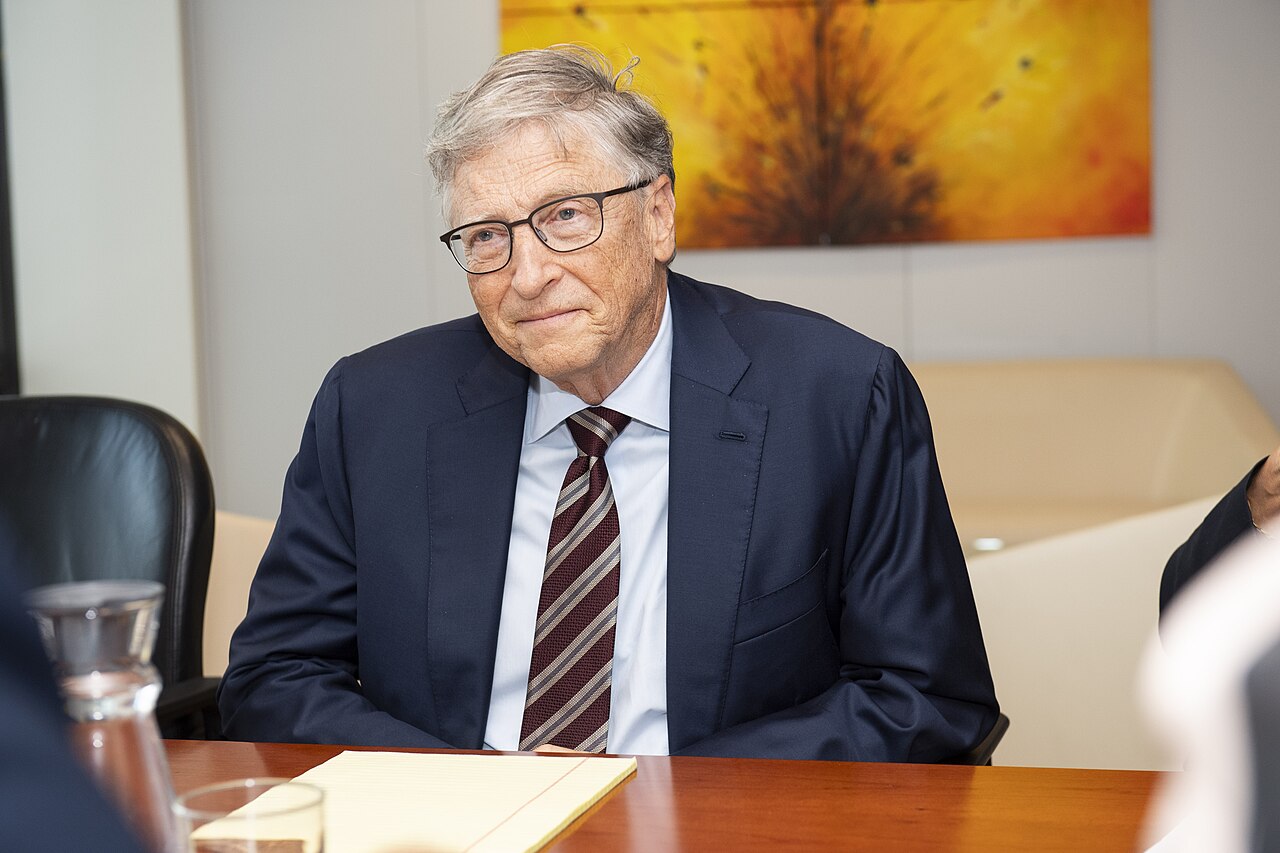
As congressional investigators continue reviewing the actions of people connected to Jeffrey Epstein, Bill Gates has become one of the highest-profile figures to publicly address that scrutiny. On June 10, 2026, the Microsoft co-founder told House investigators he never witnessed Epstein’s crimes, while acknowledging he may have been in the presence of some victims without knowing it at the time.
Gates tells House that the investigators he did not witness criminal conduct
Bill Gates appeared before the House Oversight Committee on June 10 for a closed-door interview tied to the panel’s broader investigation into Epstein, according to Reuters, The Associated Press and multiple outlets that reviewed his prepared remarks. In that statement, Gates said he “never witnessed nor had any indication” that Epstein was engaged in ongoing criminal conduct during the period when they met.
The testimony marked the latest step in a congressional inquiry that has also examined how authorities handled earlier investigations, plea deals and records tied to Epstein’s sex-trafficking case. Reuters reported that Gates said he did not fully understand the extent of Epstein’s crimes when he associated with him and that the connection was linked to efforts to raise money for global health and philanthropic work.
Gates also told lawmakers he should not have met Epstein in the first place, describing those contacts as a serious mistake in judgment, according to the AP. CNN and Reuters both reported that Gates said Epstein later tried to use knowledge of his personal life, including extramarital affairs, to pressure him and deepen the relationship.
The central new point from Gates’ testimony was his acknowledgment that he may have unknowingly been near some of Epstein’s victims during meetings. That statement, reported by Reuters and reflected in coverage by other outlets, stops short of saying Gates knew who those individuals were at the time or that he witnessed abuse taking place.
What is confirmed is narrower than the broader speculation that often surrounds Epstein-related documents. Gates said he never went to Epstein’s island, ranch or Florida home, according to reporting from public media outlets and the AP’s account of his opening statement. He also said he never participated in illegal conduct and never victimized anyone, as covered in multiple reports on the hearing.
What is not yet known from the public record is the full scope of evidence lawmakers reviewed behind closed doors or whether the committee will release a full transcript. Lawmakers have not publicly identified any victim Gates may have encountered, and no new criminal allegation against Gates was announced in connection with the June 10 interview.
The testimony matters because the House panel’s inquiry is larger than Gates alone. Reuters reported that the committee is examining failures in investigations and prosecutions, plea agreements, ethics concerns, delays in releasing government files and broader questions about sex-trafficking oversight tied to Epstein’s case.
That wider context helps explain why Gates’ appearance drew national attention despite the absence of a new charge against him. His relationship with Epstein has been scrutinized for years because Gates continued meeting him after Epstein had already been convicted of sex crimes, a fact Gates acknowledged in his statement as he tried to explain why the meetings happened.
For readers following the case, the practical takeaway is that Gates’ June 10 testimony added detail but did not resolve every question surrounding his contacts with Epstein. As of June 24, 2026, the committee had continued gathering testimony from prominent figures, and public reporting indicated the investigation remained focused on accountability, records and what lawmakers describe as justice for victims.