
The race to build the computing infrastructure behind artificial intelligence has driven a surge in large data center proposals across the United States. In New York, that expansion hit a statewide barrier on July 14, when Gov. Kathy Hochul announced a temporary halt on new hyperscale data centers while the state writes new rules for power use, siting and environmental standards. The decision has immediate implications for projects tied to AI growth and for the workers and communities that expected those developments to move forward.
New York orders a one-year pause on the biggest projects
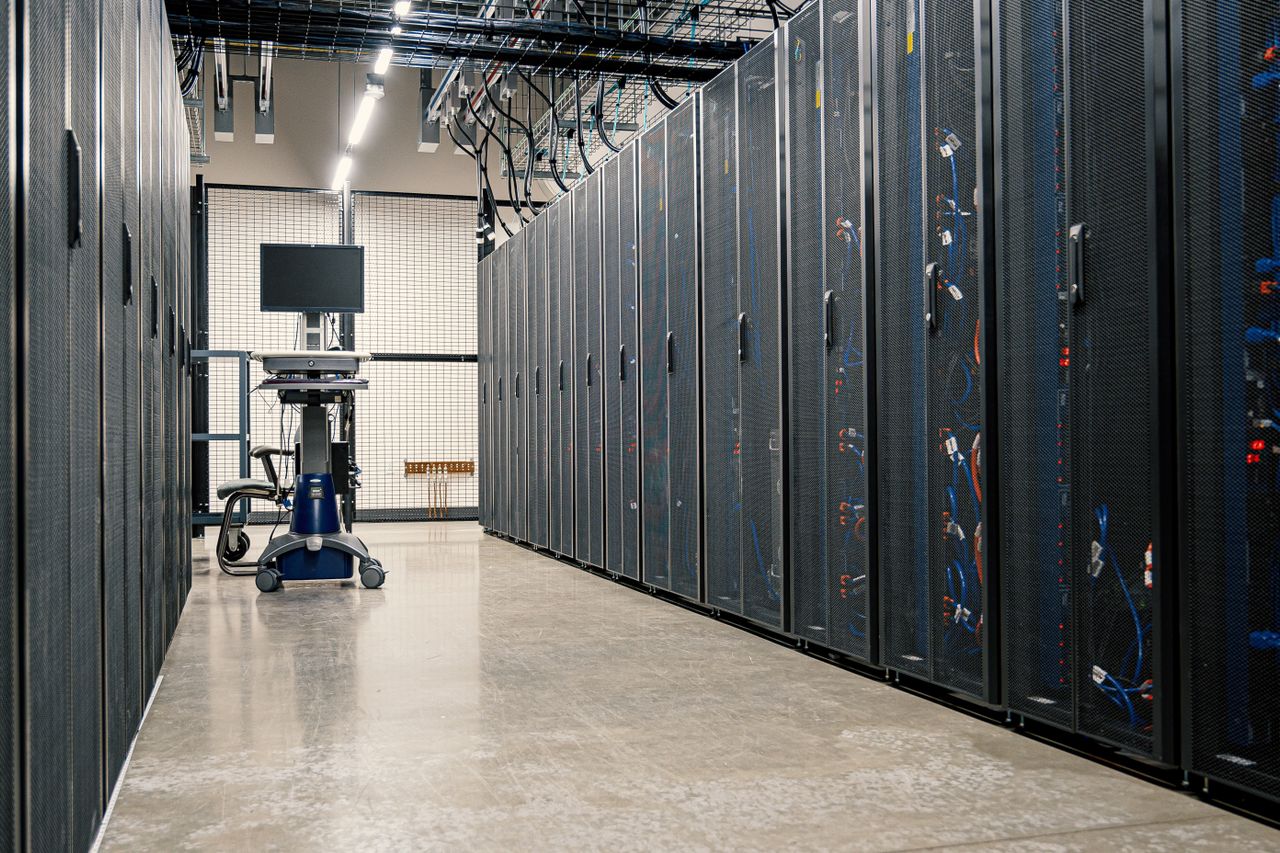
New York became the first U.S. state to impose a statewide moratorium on new hyperscale data centers when Hochul signed an executive order on July 14, according to the governor’s office and Reuters. The order applies to new data centers using 50 megawatts of power or more, a scale typically associated with the largest AI and cloud computing facilities now driving national infrastructure demand.
State officials said the moratorium will remain in place for up to one year while New York finalizes standards meant to address grid strain, water use, local land impacts and electricity costs for residents. The governor’s office also said the state had already begun an energy review through what it calls the Energize NY proceeding, which is intended to require large data centers either to cover more of their power costs or supply their own energy.
The legislation moving through Albany this year had already signaled the state’s direction. The New York Senate and Assembly passed measures in June that called for a one-year pause on permits for new large data centers while regulators studied environmental, economic and labor impacts, according to the state legislature and Assembly leadership. Industry opposition focused on scale: Dan Diorio of the Data Center Coalition told the Associated Press the moratorium could push investment, jobs and related business activity to other states instead.
For New York, the immediate impact is more about future development than active shutdowns. The moratorium stops new qualifying projects from moving ahead during the review period, but state officials have said existing facilities are not being closed by the order. That means current operations continue, while the largest planned expansions face delay unless the state completes its framework sooner.
What remains unclear is exactly which proposed sites, host communities or employers will be affected first. The state has not released a comprehensive public list of all pending projects that meet the 50-megawatt threshold, and no official statewide estimate of paused jobs has been published. That leaves local officials, labor groups and developers waiting for project-by-project clarity.
Still, the economic stakes are large because hyperscale data centers often involve major construction contracts, electrical work, long-term maintenance and indirect business for nearby communities. Reuters reported that opponents of the moratorium within the industry argue thousands of jobs could be at risk if developers shift projects elsewhere. The governor, however, said New York is not rejecting AI development outright and intends to allow projects to proceed later if they meet the new statewide standards.
The state’s stated reason for the moratorium is the collision between AI-driven power demand and New York’s climate and affordability goals. Hochul’s office said new standards are needed to protect the electric grid, reduce pressure on water supplies, limit land and noise impacts, and keep energy affordable for households and businesses. The Associated Press separately reported that officials and lawmakers have framed the issue as part of a broader national debate over whether AI infrastructure is outpacing public oversight.
Supporters of the pause, including state Sen. Kristen Gonzalez, said New York should not approve large facilities first and solve the consequences later. Legislative materials tied to the bill cite concerns about utility rates, environmental effects and the need for labor and host-community standards before rapid buildout continues. Reuters also noted that similar restrictions are being debated elsewhere, but New York is the first state to adopt a full statewide halt.
For residents, the practical near-term effect is that there is no announced change to current internet service or existing data center operations. What New Yorkers should expect next is a year of rulemaking, energy review and debate over how the state balances AI investment with power costs and environmental limits. The governor’s office said the moratorium will be lifted once those standards are finalized, after which new projects could move ahead if they satisfy state and local requirements.