

Grocery prices are changing again in the United States, even as overall supermarket inflation has slowed. The U.S. Department of Agriculture said its September 25, 2026, Food Price Outlook shows food-at-home prices were unchanged from July to August, but still stood 2.2 percent higher than a year earlier.
That topline number does not tell the whole story. Federal data shows some categories are still climbing, and a climate-focused analysis cited fresh produce and beef among the foods facing pressure from drought, heat and other extreme weather.
Beef and vegetables are among the clearest movers
USDA said prices for all food are forecast to increase 2.9 percent in 2026, while food bought for home consumption is running at a lower pace than restaurant prices. But within grocery aisles, the shifts are uneven. According to the agency’s September outlook, average prices decreased from July to August for seven of the 15 food-at-home categories it tracks, were unchanged for one, and increased for seven others.
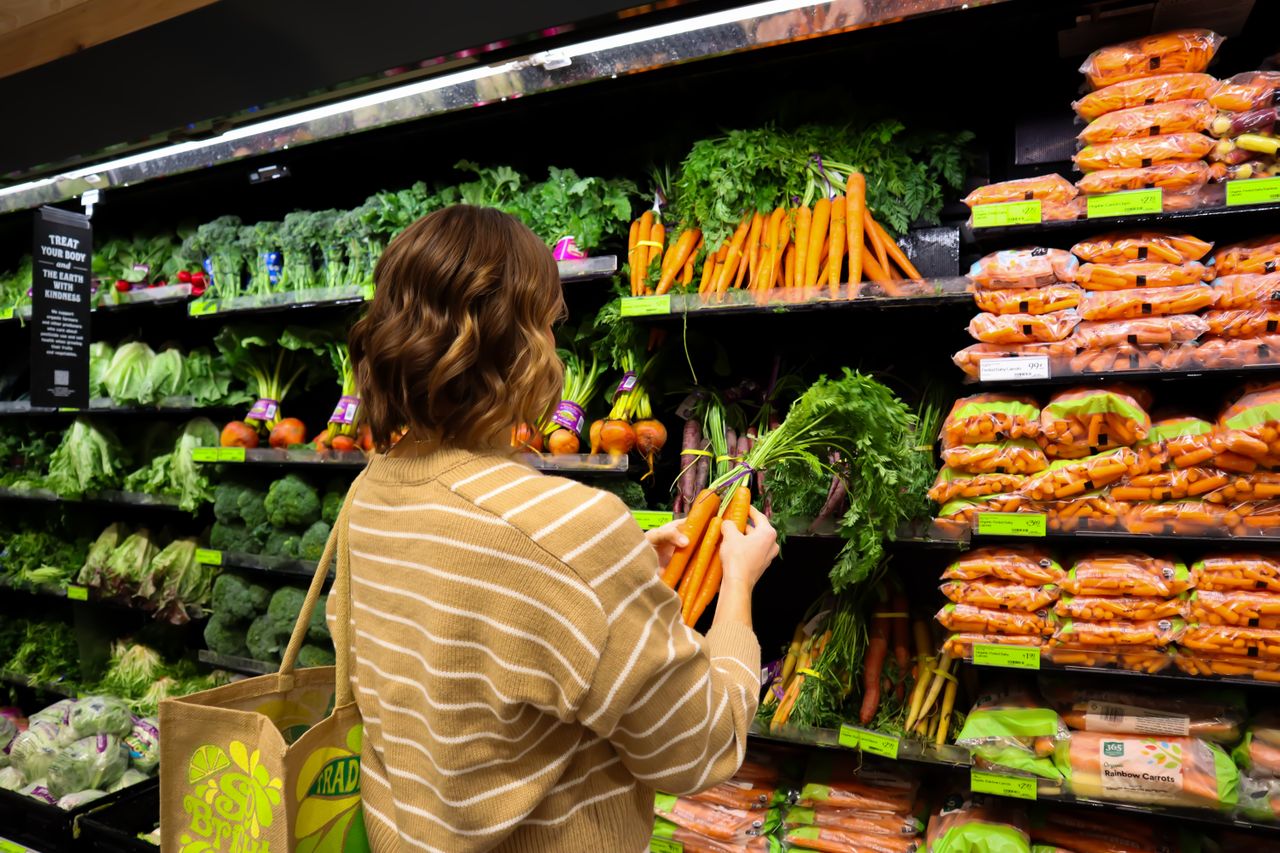
Fresh vegetables are one of the standouts. USDA forecasts fresh vegetable prices will increase 5.7 percent in 2026, with a forecast interval of 4.3 to 7.2 percent. The Bureau of Labor Statistics said the broader fruits and vegetables index was up 3.2 percent over the 12 months ending in August 2026, even after a 0.4 percent monthly decline in August.
Beef remains another closely watched category. BLS said the beef and veal index fell 1.0 percent from July to August after earlier highs, but the category was still one of the more volatile items in the grocery basket. USDA market outlook reports said fed cattle slaughter remains historically low, which is helping keep beef supplies tight.
For shoppers in the United States, the confirmed local effect is simple: households may not see broad grocery inflation accelerating the way it did in earlier years, but they are still likely to feel strain in certain departments. BLS said the overall food index rose 2.7 percent over the 12 months ending in August 2026, while food bought in stores rose 2.2 percent.
Some items moved faster than that average. USDA said egg prices rose 3.5 percent from July to August, while fats and oils rose 1.4 percent over the same month. BLS also said the meats, poultry, fish, and eggs index increased 1.1 percent over the last year, and nonalcoholic beverages rose 3.7 percent.
What is not yet clear is how evenly those increases are showing up from one metro area to another. The federal CPI release breaks out overall inflation for selected regions and cities, but it does not provide a local grocery-price map for every item mentioned here. That means shoppers may see different shelf prices depending on store, supplier and region, even when the national trend is confirmed.
The source material behind the climate-linked warning points to a broader force behind some of the price pressure. A report highlighted by Zero Carbon Analytics tied food price spikes between 2022 and 2026 to extreme weather events including drought, heavy rainfall and record heat. In that analysis, American beef prices were linked in part to drought and other weather pressures that shrank the cattle herd, while U.S. tomato prices were pushed higher earlier in 2026 after a winter storm damaged crops.
Current drought conditions show why weather remains a live issue. Drought.gov reported that as of September 29, 2026, 49.78 percent of the United States and Puerto Rico, and 59.38 percent of the Lower 48 states, were in drought. It also said 111.6 million people in the United States were affected by drought that week.
What comes next depends on the category. USDA’s latest outlook suggests overall grocery inflation is far below the surge consumers saw in recent years, but it also makes clear that beef, fresh vegetables and some other staples are still under pressure. For now, the clearest verified fact is that grocery prices are no longer moving in one direction. They are splitting by aisle.