

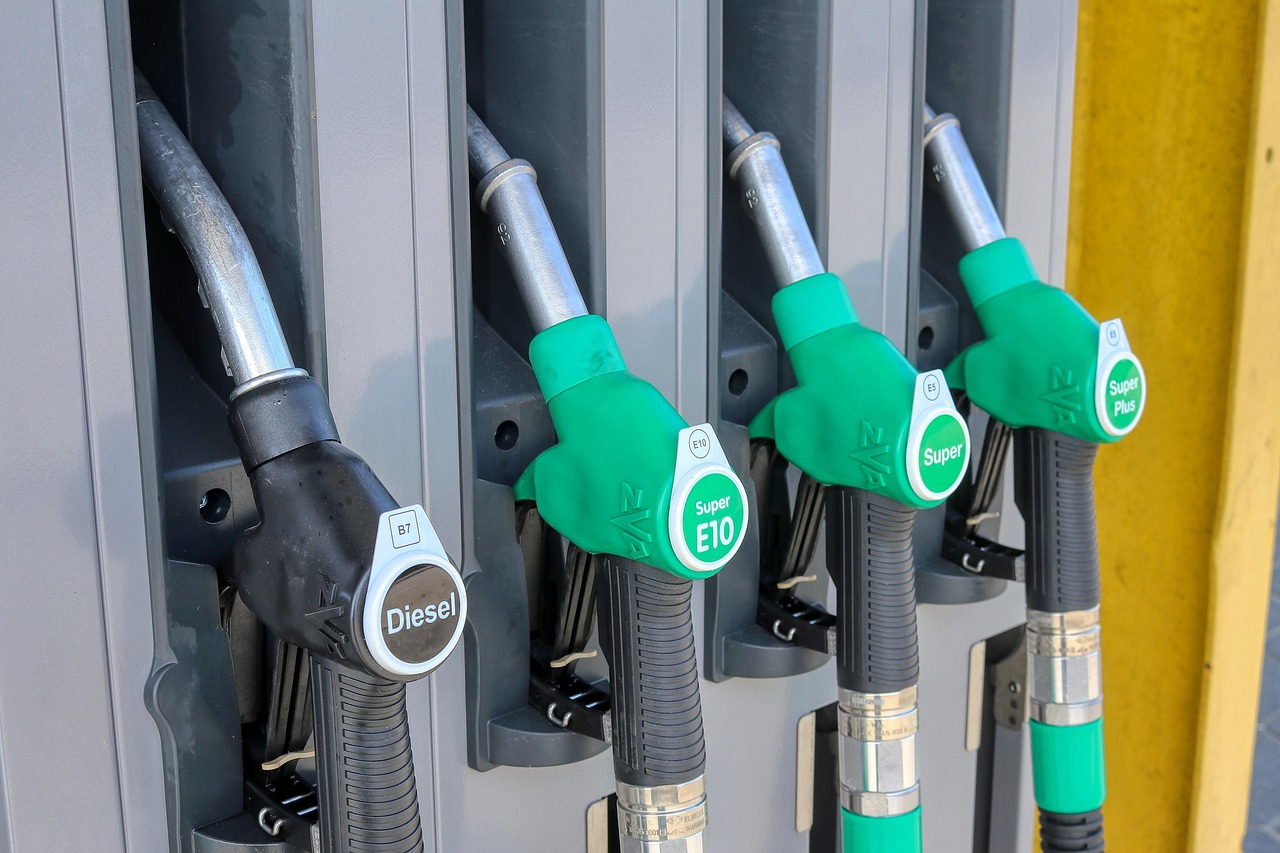
U.S. fuel markets are again moving higher at a politically sensitive moment, with diesel costs drawing closer attention than gasoline because of their role in freight, farming and industrial supply chains. The latest federal data shows the diesel increase accelerated in late July and early August, just as campaigns begin framing cost-of-living issues for the 2026 midterms. Unlike gasoline, diesel touches the price of food deliveries, construction materials and retail shipments in every state.
Diesel prices have moved back above $5 a gallon
The clearest verified move came in the U.S. Energy Information Administration’s weekly diesel update released August 11, which showed the national average on-highway diesel price at $5.257 per gallon. That was up from $4.578 on July 6 and $4.796 on July 13, according to EIA data, before peaking at $5.348 on August 3 and easing slightly the following week. The scale of that climb matters because it pushed diesel back above the $5 threshold nationally after a rapid monthlong run-up.
Federal data also shows the increase was broad rather than isolated to one region. EIA reported diesel at $5.193 on the East Coast, $5.181 in the Midwest and $5.514 in New England for the week of August 10. The Central Atlantic region was even higher at $5.535, while the Lower Atlantic stood at $5.034. Those figures indicate a nationwide cost issue affecting trucking corridors, ports and warehouse markets rather than a single refinery outage or one-state disruption.
AAA’s daily fuel tracker also placed the national diesel average near these elevated levels in mid-August, reporting diesel at $5.8159 as the highest recorded average in its historical table while showing current diesel prices still above $5 nationally. Together, the EIA and AAA data confirm that diesel, not just gasoline, has become a major fuel-cost story in August. That makes the timing significant as campaigns and voters assess inflation and household expenses heading into November.
Diesel is the fuel used by most heavy trucks, many farm machines, rail operations and some backup power systems, so the price move has implications well beyond drivers filling up at retail stations. When diesel rises quickly, transport costs can feed into grocery distribution, parcel shipping and industrial deliveries, though the exact pass-through varies by company and contract terms. Neither EIA nor AAA attempts to estimate a nationwide household cost effect from a weekly retail diesel change alone.
What is confirmed is that the price pressure is widespread across regions that move large volumes of goods. EIA’s August 10 regional data showed prices above $5 in every listed East Coast subdivision and in the Midwest, with California AAA data also showing diesel above $6.50 in the state. Texas, by contrast, remained lower than the national figure in AAA’s state-level data, illustrating that the burden is not identical everywhere even during a national surge.
What is not yet known is how long these levels will hold or whether retailers and carriers will absorb part of the increase. Publicly available weekly fuel data shows where prices are, not how every trucking fleet, school district or local business will respond. That leaves a key uncertainty for residents and small businesses as the fall election season nears: diesel’s immediate jump is measurable, but the full downstream cost to consumers is still developing.
The EIA’s July 2026 Short-Term Energy Outlook tied diesel’s annual increase mainly to three components: higher Brent crude oil prices, a wider wholesale margin over crude and a changing retail margin over wholesale. In the same outlook, EIA forecast U.S. retail diesel would average about $5.15 per gallon in 2026, well above 2025 levels. The agency’s charts show diesel prices were being pushed by more than crude alone, meaning refinery economics and product-market tightness were also contributing.
That same outlook said global oil supply disruptions linked to the closure of the Strait of Hormuz had lifted prices sharply in the second quarter, even though EIA expected crude to trend lower later in 2026 as supply recovered. EIA also reported that U.S. gasoline inventories remained tight, while weekly petroleum reports showed distillate data remained a central part of market monitoring in August. The broader point is that diesel prices rose during a period of supply uncertainty and constrained product markets, not simply because of normal summer driving demand.
For residents, businesses and local governments, the practical takeaway is straightforward: diesel costs remain elevated even as some federal forecasts point to softer crude prices later this year. EIA’s outlook suggested lower oil prices could ease broader fuel costs in coming quarters, but its August weekly data confirmed diesel was still high in real time. As of mid-August, that leaves freight-dependent sectors facing higher operating costs while the country heads toward the fall midterm campaign stretch.