

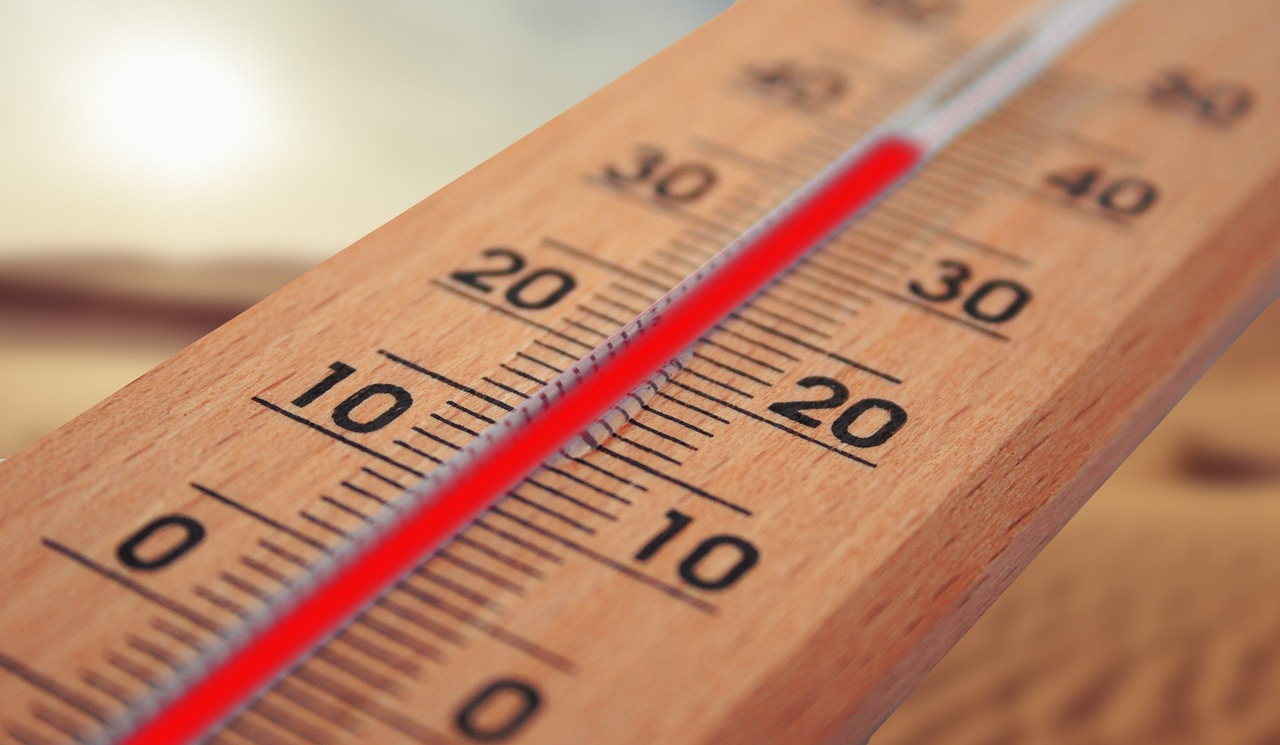
The heat is no longer just background weather. Across the South, it is becoming the clock by which daily life is organized.
Mornings are starting earlier, and afternoons are being surrendered

Across the South, the most noticeable response to extreme heat is a shift in time itself. Outdoor chores, exercise, dog walks, gardening, and construction work are increasingly pushed into the earliest hours of the day, often before sunrise. Health guidance from the CDC and OSHA has reinforced what many families and workers already know from experience: when heat and humidity build by midday, the body loses its ability to cool efficiently, and routine activity can quickly become dangerous. OSHA advises employers to consider moving physically demanding work to early morning or late afternoon, while the CDC recommends doing outdoor activity during the coolest parts of the day.
That change is visible everywhere from suburban neighborhoods to job sites and farms. Landscapers, roofers, delivery crews, utility workers, and road crews are adjusting schedules to protect employees from heat stress, dehydration, and exhaustion. OSHA’s heat guidance says workers should have water, rest, and shade, and encourages regular hydration rather than waiting for thirst. For jobs in high heat, the agency says breaks should increase as heat stress rises, a practical reality that means slower work, more pauses, and more planning throughout the day.
For many households, the same logic now governs ordinary routines. Parents are scheduling playground time before breakfast. Walkers and runners are finishing exercise while streetlights are still on. Evening has become a second morning, with families delaying yard work, errands, and recreation until sunset or later. That may sound manageable, but it changes the entire cadence of family life, especially for people balancing commutes, caregiving, and multiple jobs.
The strain is made worse by the South’s humid nights. The National Weather Service’s HeatRisk framework specifically considers not just daytime highs but also overnight temperatures, because hot nights prevent recovery. When temperatures stay elevated after dark, homes hold more heat, sleep worsens, and people begin the next day less able to tolerate exertion. In practical terms, that means the routine adaptation of “just wait until later” no longer works as reliably as it once did.
Workplaces, schools, and sports are under pressure to adapt

Extreme heat is not only shifting personal routines; it is forcing institutions to rethink schedules that long seemed fixed. School districts, youth leagues, and summer programs across the South are increasingly moving practices, conditioning sessions, band rehearsals, and field activities to earlier hours or indoors. Coaches and administrators have grown more cautious as awareness rises around exertional heat illness, which can escalate quickly during intense activity, especially for athletes who are not acclimatized.
Federal workplace guidance is shaping this transition well beyond sports. OSHA notes that millions of U.S. workers face heat exposure and that many outdoor heat fatalities happen in the first days on the job, before the body has built tolerance. The agency recommends shorter shifts and gradual acclimatization for new or returning workers, as well as more frequent recovery breaks in shaded or air-conditioned spaces. That advice matters in the South, where construction, logistics, agriculture, warehousing, and manufacturing all leave large numbers of workers exposed to punishing summer conditions.
Indoor workers are not immune. OSHA and CDC guidance both stress that heat risk extends to indoor settings with poor ventilation or heat-generating equipment, including kitchens, laundries, warehouses, and factories. In a Southern summer, an indoor workspace without strong cooling can become dangerous even without direct sun. That has pushed employers to rethink air circulation, break rooms, shift structures, and staffing plans. In some cases, productivity targets are being quietly adjusted because pushing through the hottest hours is no longer safe or realistic.
Schools are confronting a similar tension. Buildings with aging air-conditioning systems, older buses, and long athletic schedules are especially vulnerable. Heat does not simply threaten comfort; it complicates attendance, concentration, transportation, and extracurricular life. When afternoon temperatures and heat index values spike, the question is no longer whether a schedule is traditional. It is whether it is survivable, especially for children, teenagers, and staff who may already be heat-sensitive because of asthma, cardiovascular conditions, medications, or limited access to cooling at home.
As a result, the Southern day is being redesigned by policy as much as by instinct. What used to be common sense at the family level is increasingly being formalized through heat action plans, modified work rules, weather monitoring, and more aggressive cancellation decisions.
Home life now revolves around cooling, power bills, and sleep

Inside the home, extreme heat is changing behavior in quieter but equally significant ways. Families are drawing blinds earlier, running air conditioners longer, cooking less with ovens, and clustering activity in the coolest rooms of the house. The EPA warns that extreme heat can turn indoor spaces dangerous and stresses that people should plan for cooling even if they have air conditioning, because a power outage can make a hot home hazardous within hours. That warning lands with particular force in the South, where summer storms, grid strain, and older housing stock can turn a heat event into a household emergency.
The financial pressure is substantial. As the EPA notes in its climate indicators and heat guidance, rising cooling demand can mean higher electricity costs, a burden that falls hardest on low-income households. For many Southern families, adapting to heat is not just about comfort or convenience. It is about whether they can afford to keep a house cool through the night, repair an aging unit, or leave home for a library, mall, or cooling center when indoor temperatures become unsafe. The simple advice to “stay in air conditioning” is much easier to follow if air conditioning is reliable and affordable.
Sleep has become one of the least discussed casualties of extreme heat. Warm nights matter because the body needs cooler temperatures to recover, and the National Weather Service has emphasized that overnight lows are a core part of heat risk. When bedrooms remain hot, sleep becomes fragmented, and the effects ripple outward into mood, work performance, child care, and decision-making the next day. In that sense, extreme heat does not end at sunset. It stretches across a 24-hour cycle, weakening resilience one poor night at a time.
Households are also learning that some traditional coping tools have limits. CDC guidance says fans can help only under certain indoor conditions, and both CDC and EPA warn that in very high indoor heat, fans alone may not prevent heat-related illness. That has pushed more families to seek public cooling spaces during the hottest stretches of summer. Libraries, community centers, malls, and churches are increasingly part of the South’s informal heat infrastructure, serving as places not just for errands or worship, but for physical recovery.
These changes may look incremental on any single day. Over a season, though, they amount to a reorganization of domestic life around heat avoidance, energy management, and the constant need to stay one step ahead of the forecast.
The health risks are broad, and the most vulnerable are carrying the heaviest burden

Extreme heat is often described as a weather problem, but in practice it is a public health issue that touches nearly every part of daily life. The CDC says more than 700 people die from extreme heat each year in the United States, and it has reported that emergency department visits for heat-related illness remained exceptionally high for extended periods during the 2023 warm season in several regions. Those numbers help explain why so many Southern communities are treating heat not as an inconvenience but as a recurring hazard that demands planning and behavioral change.
The people at greatest risk are also the people with the fewest options. Older adults, infants and young children, pregnant women, people with chronic illnesses, outdoor workers, unhoused people, and residents without dependable cooling face the steepest dangers. Heat can worsen cardiovascular disease, respiratory illness, diabetes, kidney problems, and mental health conditions, according to CDC guidance. It can also interact with medications and with poor air quality, another issue that often intensifies during hot weather. For vulnerable households, a hot week is not simply uncomfortable. It can become medically destabilizing.
That is why routine changes across the South increasingly include social habits as well as personal ones. Families are checking on elderly relatives more often. Neighbors are asking whether someone’s air conditioner is working. Caregivers are reorganizing appointments and errands to avoid peak heat hours. Churches and local nonprofits are handing out water, fans, and information. The CDC and EPA both emphasize the importance of identifying cooling options ahead of time, because waiting until a crisis hits can be dangerous, especially if transportation or mobility is limited.
Children and workers illustrate the unequal nature of the risk. A professional with remote work, central air, and flexible hours can adapt far more easily than a roofer on a blacktop lot, a farmworker in a field, or a child at a bus stop with no shade. The same temperature produces radically different consequences depending on housing, occupation, income, and health. That reality is pushing more experts to describe heat as an equity issue as much as a meteorological one.
The South has always known summer heat. What feels different now is the intensity, duration, and cumulative strain, especially when humidity is high and nighttime relief is limited. The result is a region where ordinary decisions increasingly begin with one question: how dangerous will the heat be today?
What adaptation looks like now, and what it says about the future

The adjustments spreading across the South are practical, not theoretical. People are learning to read heat risk the way earlier generations read rain clouds. Forecasts now influence start times, child care logistics, church events, utility planning, youth sports, and neighborhood life. The National Weather Service’s HeatRisk tool was designed for exactly this kind of decision-making, combining daytime heat, nighttime heat, duration, and local health impacts so people can act before conditions become life-threatening. In many Southern communities, that mindset is already taking hold.
At the workplace level, adaptation increasingly means formal structure rather than informal toughness. Employers are using shaded recovery areas, air-conditioned break spaces, adjusted shift windows, hydration rules, and acclimatization protocols for new workers. OSHA’s guidance makes clear that heat illness is preventable, but prevention requires planning and a willingness to slow down. That is a meaningful cultural shift in industries where productivity has often been prized over caution and where workers may have felt pressure to push through symptoms.
At the community level, adaptation is becoming part of local governance. Cities and counties are expanding cooling centers, public messaging, and emergency response planning. EPA guidance emphasizes that comprehensive heat response planning works best when forecasting, outreach, and targeted support are combined. That means not only opening doors to cooled buildings, but making sure people know where they are, when they are open, and how to get there. In the South, where car dependence and uneven public transit can complicate access, that logistical piece matters as much as the building itself.
Still, adaptation has limits. People can shift a jog to dawn, move a practice indoors, or spend a few hours at the library, but none of that fully solves the deeper problem of persistent, high-intensity heat. Warm nights, expensive electricity, aging housing, and exposed labor make heat a structural challenge, not just a behavioral one. The cumulative effect is that the South’s daily routine is being rewritten not by preference, but by necessity.
That may be the clearest sign of what extreme heat now means in America. It is no longer only a seasonal headline or a record on a thermometer. It is a force that dictates when people wake, where they gather, how they work, what they can afford, and how safely they make it through the day. In the South, the future of summer is already visible in the most ordinary decisions.