

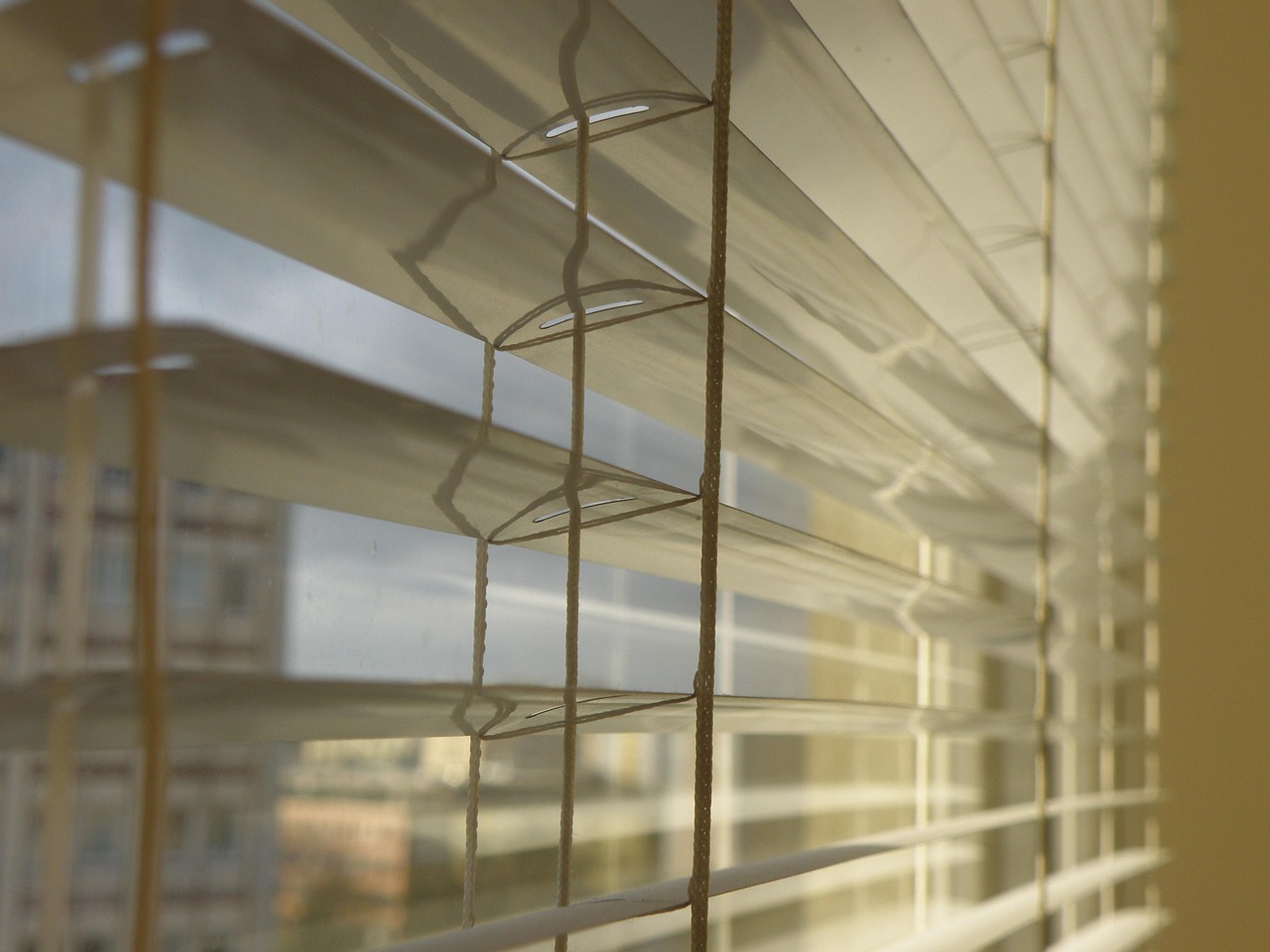
Sunlight can make a home feel cheerful. In summer, it can also make a house noticeably hotter, brighter, more expensive to cool, and harder to live in by midafternoon.
Closed blinds are becoming a low-tech cooling strategy

For many homeowners, keeping blinds shut all day is not about living in the dark. It is a deliberate attempt to reduce the amount of solar heat pouring through windows during the hottest part of the day. The U.S. Department of Energy says about 76% of sunlight that falls on standard double-pane windows enters to become heat during cooling season, which helps explain why a sunny room can feel dramatically warmer than the rest of the house. Once that heat is inside, an air conditioner has to work harder and longer to remove it.
That is especially important in homes with large west-facing or south-facing windows. These exposures often collect intense afternoon sun, turning living rooms, upstairs bedrooms, and home offices into heat traps. According to the Department of Energy, highly reflective blinds can reduce heat gain when they are fully lowered and closed on sunny windows. White shades, light-colored drapes, and reflective window coverings can all help push heat away rather than absorb it.
Homeowners are also learning that blinds matter even when windows themselves are not especially old. The Department of Energy notes that low solar heat gain coefficient products help reduce summer cooling loads, but many existing homes still have ordinary windows that allow substantial heat transfer. In those houses, shutting blinds becomes a practical workaround rather than a cosmetic choice. It is one of the cheapest ways to improve comfort without replacing windows or installing exterior shading.
Research into occupant behavior supports the logic. A recent study in Building and Environment found that one of the biggest opportunities for better heat mitigation is keeping windows closed during the day when outside air is hotter than indoor air, while using nighttime ventilation more strategically. Blinds fit into the same pattern: block daytime heat, then use cooler evening hours to recover comfort. What can look from the street like a closed-off house is often simply a household managing solar gain the way energy experts have long advised.
Rising utility bills are changing everyday habits

The habit of closing blinds all day also reflects a broader economic reality. Summer cooling costs have become a bigger concern for households already watching electricity bills climb. Air conditioning is one of the largest energy loads in many homes, and every degree of indoor temperature control matters more when rates are high. Homeowners who may once have tolerated a sunny, overheated room are now more likely to see sunlight as a direct cost.
That shift is pushing ordinary people toward small, repeatable behaviors rather than big renovation projects. Not every family can afford new windows, exterior awnings, or a full insulation upgrade, but almost everyone can close blinds before leaving for work. The Department of Energy has said window attachments and coverings can improve comfort, regulate temperatures, and lower energy bills, even if exact savings depend on climate, product type, and how consistently they are used. In a season of household budget pressure, consistency is exactly what many families are adopting.
There is also a behavioral reason this strategy is spreading. The Department of Energy has reported that 75% of residential window coverings remain in the same position every day. That finding suggests many people historically have not used blinds strategically at all. As public attention shifts toward heat waves, cooling costs, and home efficiency, more homeowners appear to be rethinking that old habit and treating blinds as part of the cooling system rather than background décor.
The appeal is obvious: closed blinds cost nothing to operate, require no contractor, and can be adjusted room by room. A homeowner might keep bedroom blinds shut on the sunny side of the house, open north-facing windows for softer daylight, and reduce artificial lighting only where needed. The result is a more targeted energy approach. People are not necessarily giving up natural light altogether; they are choosing when and where to let it in based on comfort, cost, and the direction of the sun.
Stronger sun, more glare, and hotter rooms are changing comfort expectations

Heat is only part of the story. Many homeowners keep blinds shut because modern summer light can be physically uncomfortable in ways that go beyond temperature. A bright beam of direct sun across a television screen, computer monitor, or kitchen table can create intense glare, making ordinary activities irritating for hours at a time. The Department of Energy specifically notes that blinds are effective at reducing summer heat gain and reducing glare while still allowing some daylight control through slat adjustment.
That matters more in homes where rooms now do double duty. A guest room may be a weekday office. A breakfast nook may be a study space. A family room may be where children spend the hottest part of the afternoon during school break. In those situations, comfort depends less on whether a room looks airy from outside and more on whether it remains usable. A space that is technically sunlit but uncomfortably bright or warm is not functioning well for daily life.
Furniture and finishes are another concern. Prolonged sun exposure can fade wood floors, area rugs, upholstery, artwork, and even painted surfaces over time. Homeowners who have watched one side of a sofa bleach out or noticed discoloration on flooring near sliding doors tend to become much more disciplined about shutting blinds before the sun shifts. This is particularly true in rooms with expansive glass, where sunlight sits on the same surfaces day after day through the peak of summer.
There is a psychological shift underway as well. In the past, an open, sun-filled room often signaled cleanliness, hospitality, and good design. Increasingly, homeowners are balancing that ideal against a different kind of comfort: cooler interiors, softer light, and less visual stress. Closed blinds no longer automatically suggest a gloomy house. In many neighborhoods, they signal that the occupants understand how punishing afternoon sun can be and are choosing practical comfort over the appearance of constant openness.
New summer risks make sealed-up homes feel more sensible

Another reason blinds are staying shut is that summer now brings multiple environmental stressors at once. In some parts of the country, homeowners are not just thinking about heat but also smoke, air quality, and extreme weather. The Environmental Protection Agency says that when smoke is in the air, closing doors and windows may not keep all smoke out, but limiting openings is still part of protecting indoor air during wildfire events. In that context, a darker, more sealed house can feel like a safer one.
Blinds support that response by helping homeowners commit to a closed-window routine on bad-air days. If windows stay shut to keep smoke and hot outside air from entering, leaving blinds open can make indoor spaces feel hotter and harsher under direct sun. Pulling blinds closed reduces both radiant heat and the sense that the home is exposed to outdoor conditions. It creates a more controlled interior environment, especially when paired with filtration or air conditioning.
Privacy is another factor that becomes more relevant in summer. Longer daylight hours mean interiors are visible for more of the day, and homeowners may spend more time indoors escaping heat. Keeping blinds lowered can make bedrooms, bathrooms, street-facing living rooms, and first-floor offices feel more secure. This is especially common in dense neighborhoods where large windows face sidewalks, nearby buildings, or busy roads. A habit that begins as heat management often becomes a preferred privacy setting too.
There is also a practical emergency mindset shaping household behavior. During heat waves, utility strain and the possibility of power disruptions make homeowners more conscious of preserving cool air for as long as possible. A darkened room can hold comfortable temperatures longer than a bright one flooded with direct sun. Even if a blackout never comes, people increasingly treat passive cooling habits as insurance. Closed blinds, like ceiling fans and overnight ventilation, are part of a resilience mindset that has become more common as summer extremes feel less occasional and more routine.
The smartest homeowners are not closing every blind the same way

The most effective approach is not to shut every blind in every room and leave the house dim for months. Energy guidance suggests a more selective strategy. The Department of Energy recommends keeping coverings closed in summer on windows receiving direct sunlight, while opening coverings on windows that do not get direct sun to preserve natural light. In practice, that means homeowners often rotate blinds by orientation and time of day rather than treating the entire house as one zone.
South- and west-facing windows usually need the most attention because they receive the strongest summer sun. East-facing windows can also bring substantial morning heat, especially in bedrooms. North-facing windows are often the least problematic and may remain open for daylight without adding much unwanted heat. Homeowners who understand this pattern can dramatically improve comfort while avoiding the cave-like feeling that comes from total closure. Good summer blind use is less about darkness and more about timing.
Product choice also matters. The Department of Energy says cellular shades can reduce unwanted solar heat through windows by up to 60% with a tight fit, while awnings can reduce solar heat gain by up to 65% on south-facing windows and 77% on west-facing windows. Highly reflective blinds, white shades, and light-colored drapes generally perform better in summer than dark, absorptive materials. For households willing to spend a bit more, automated shades are increasingly attractive because they remove the burden of daily adjustment and can be programmed around sun exposure.
The underlying lesson is simple: blinds are not just decorative accessories. They are part of how a house handles light, heat, privacy, and resilience. As summers become brighter, hotter, and more expensive to manage, homeowners are treating them accordingly. So when blinds stay shut all day, it is rarely random. More often, it is a small, informed adaptation to the realities of modern summer living.