

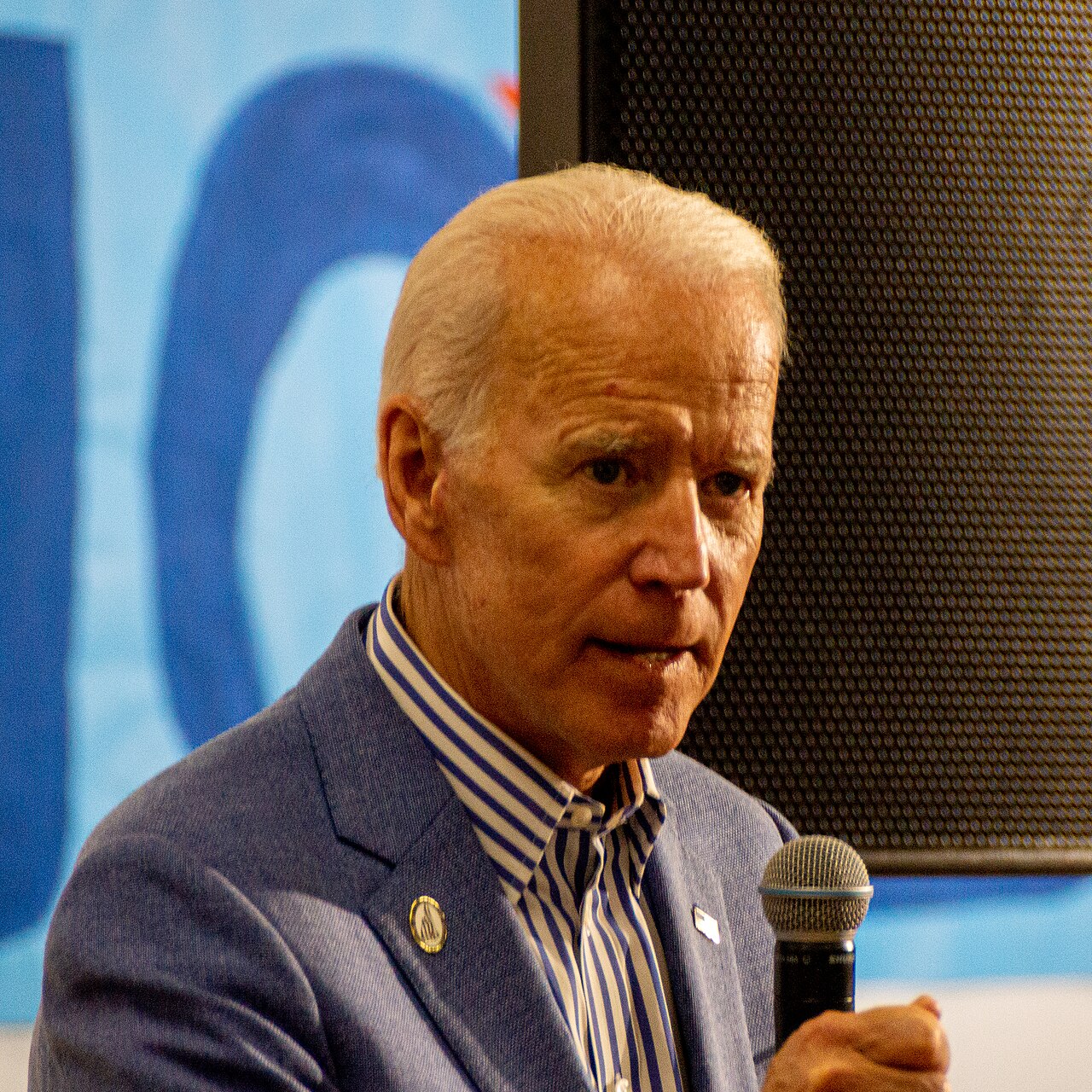
A fleeting stage moment can sometimes eclipse an entire public event. That is exactly what happened when Joe Biden appeared to linger and look around for family members as dignitaries exited the stage at the Obama Presidential Center opening in Chicago.
A grand opening was briefly overshadowed by a small, viral moment

The Obama Presidential Center formally opened in Chicago on June 18, 2026, in a ceremony that was designed to celebrate Barack Obama’s legacy, Chicago’s South Side, and a broader message about democracy and civic participation. According to the Associated Press and Axios, the event drew an unusually high-profile lineup, including Barack and Michelle Obama, former presidents Bill Clinton, George W. Bush, and Joe Biden, along with their spouses and a roster of entertainers.
The ceremony was staged as a major civic and cultural occasion rather than a routine political appearance. Reports from the Chicago Sun-Times and other outlets described a crowd packed with political figures, celebrities, athletes, and supporters, while performances from artists including Stevie Wonder, Bruce Springsteen, Jennifer Hudson, Common, and John Legend gave the gathering the feel of a national celebration. The setting itself, in Jackson Park, reinforced Obama’s long-standing connection to Chicago.
Yet in the age of clipped video and instant commentary, even carefully planned events can be reduced to a few seconds of awkwardness. Near the end of the program, Biden was seen remaining onstage momentarily as others began to move off, glancing around as if locating Jill Biden or the exit path. The hesitation was brief, but it became the part of the ceremony most likely to circulate widely online.
What appeared to happen onstage
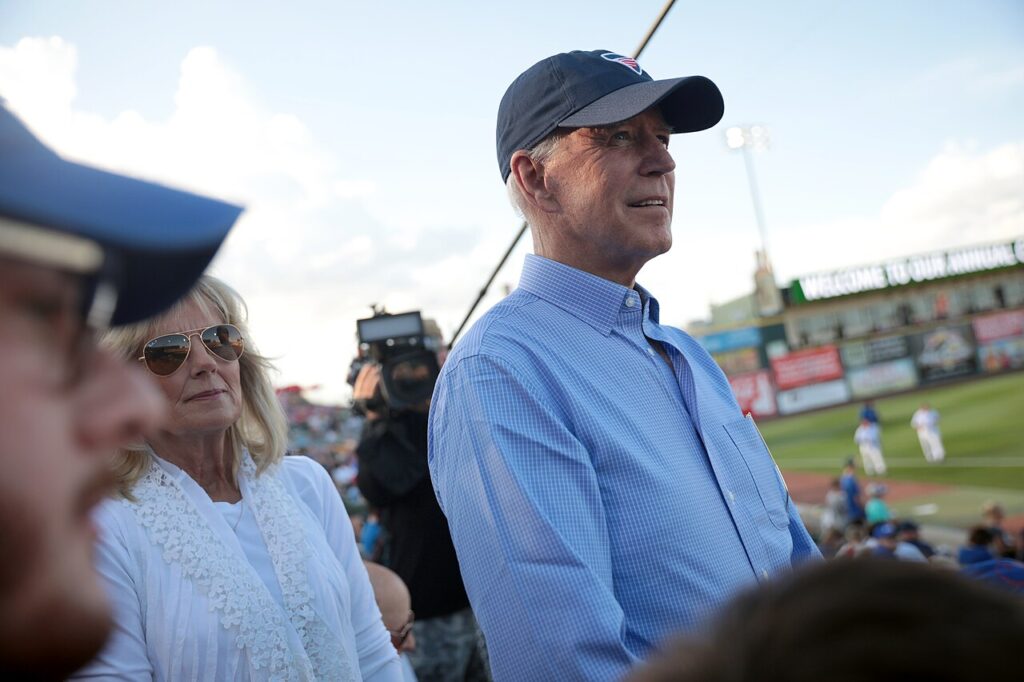
Accounts of the moment suggest there was no dramatic disruption, only a short lapse in stage choreography. Photos and event coverage show Biden and Jill Biden attending together, and reporting from the Sun-Times confirms the Bidens were part of the onstage procession during the opening ceremony. Coverage of the event also indicates multiple former presidents and first ladies were seated or moving in close sequence, creating a complicated exit pattern once formal remarks concluded.
In that context, Biden’s pause looks less like an extraordinary incident and more like the kind of uncertainty that can happen at crowded ceremonial events. Large public stages often involve staggered departures, security guidance, applause holds, family positioning, and camera blocking. When several high-profile guests are expected to leave in a precise order, even a small hesitation can look more pronounced than it really is.
Still, the optics mattered. Because Biden has faced years of scrutiny over his age, gait, and public presentation, any moment of visible uncertainty is instantly interpreted through that lens. What might have passed unnoticed for another dignitary instead became a ready-made viral clip, especially for critics eager to frame an ordinary misstep as evidence of something larger.
Why these moments resonate so strongly in modern politics
Biden’s onstage hesitation landed in a political culture that is primed to overread body language. Public appearances by senior political figures are no longer judged only by speeches or policy remarks; they are dissected frame by frame for signs of confusion, frailty, confidence, or decline. In that environment, the difference between a routine pause and a narrative-defining incident can be almost nonexistent.
The dynamic is intensified by the structure of social media. A seven-second clip, stripped of context, is easier to circulate than a full explanation of stage logistics at a large ceremonial event. Once isolated, the image of Biden looking around onstage invites interpretation from viewers who may know nothing about the event itself, the seating arrangement, or the order in which guests were meant to depart.
That helps explain why the awkward moment received outsized attention compared with the ceremony’s substantive themes. Obama used the opening to speak about democratic values and civic life, according to the Associated Press and local coverage. But viral culture rewards visual ambiguity more than institutional significance, and Biden’s brief search for his family or bearings fit neatly into an already familiar media script.
The larger significance of the Obama Presidential Center event

Focusing solely on Biden’s pause misses the historical scale of the ceremony. The opening marked the culmination of nearly a decade of planning for the Obama Presidential Center, a project the Obama Foundation has framed as both a museum campus and a civic hub. Official material from the foundation emphasizes public programming, community engagement, and a campus designed to connect Obama’s presidential legacy with future leadership development.
The event also carried symbolic weight because it brought together multiple living former presidents in a single public setting. The Associated Press described it as an extraordinary gathering, and coverage across national and local outlets highlighted the rarity of seeing Obama, Clinton, Bush, and Biden on the same stage. That visual alone suggested a kind of institutional continuity that has become less common in an intensely polarized era.
Chicago mattered just as much as the guest list. Obama and Michelle Obama have repeatedly tied the center to the South Side, the community where Barack Obama worked as an organizer and where the couple built much of their political identity. The opening was therefore not just a presidential milestone but also a hometown statement about memory, place, and the uses of public legacy.
A revealing episode about optics, age, and political storytelling
In practical terms, the Biden moment was minor. There is no credible indication from mainstream event reporting that the ceremony was derailed, that he was separated from Jill Biden for long, or that anything more serious occurred than a short, awkward beat during the exit. But in symbolic terms, the moment was significant because it showed how political storytelling now works.
For Biden, every appearance remains inseparable from public concerns about age and presentation. Even as a former president attending a celebratory event, he is still evaluated not simply as a guest but as a symbol. Supporters see an understandable, human pause in a crowded and highly managed setting; critics see confirmation of a preexisting view. The clip becomes a vessel for arguments that existed before the event began.
That is why the stage moment will likely endure longer online than many of the speeches delivered that day. It was visually simple, emotionally legible, and easy to weaponize. Yet the fuller story is less sensational: a landmark opening for the Obama Presidential Center, a rare gathering of former presidents in Chicago, and a reminder that in contemporary politics, even a brief glance around a stage can become national content.