


Parents rarely expect a can of infant formula to become a medical emergency. But that is exactly the warning federal health officials are now issuing.
Why the CDC warning is drawing urgent attention
The Centers for Disease Control and Prevention is urging parents and caregivers to immediately stop using Nara Organics Whole Milk Organic Powdered Infant Formula after three infants were hospitalized in a multistate botulism outbreak. According to federal officials, the babies became ill after consuming the product, prompting an aggressive public health response and a nationwide recall.
The affected infants were reported in California, Pennsylvania, and Washington. Federal investigators said the illnesses occurred in April and May 2026, and the babies were between 2 and 5 months old. All three were hospitalized and treated with BabyBIG, the FDA-approved treatment used for infant botulism.
Nara Organics announced a voluntary recall on June 13, 2026, after the FDA and CDC shared epidemiological information linking the formula to the cases. The product had been sold nationwide through Target stores, online, and directly through the company’s own sales channels. The FDA has said the formula represents less than 1% of infant formula sold in the United States, which reduces the likelihood of a broader supply disruption.
What is infant botulism, and why is it so serious
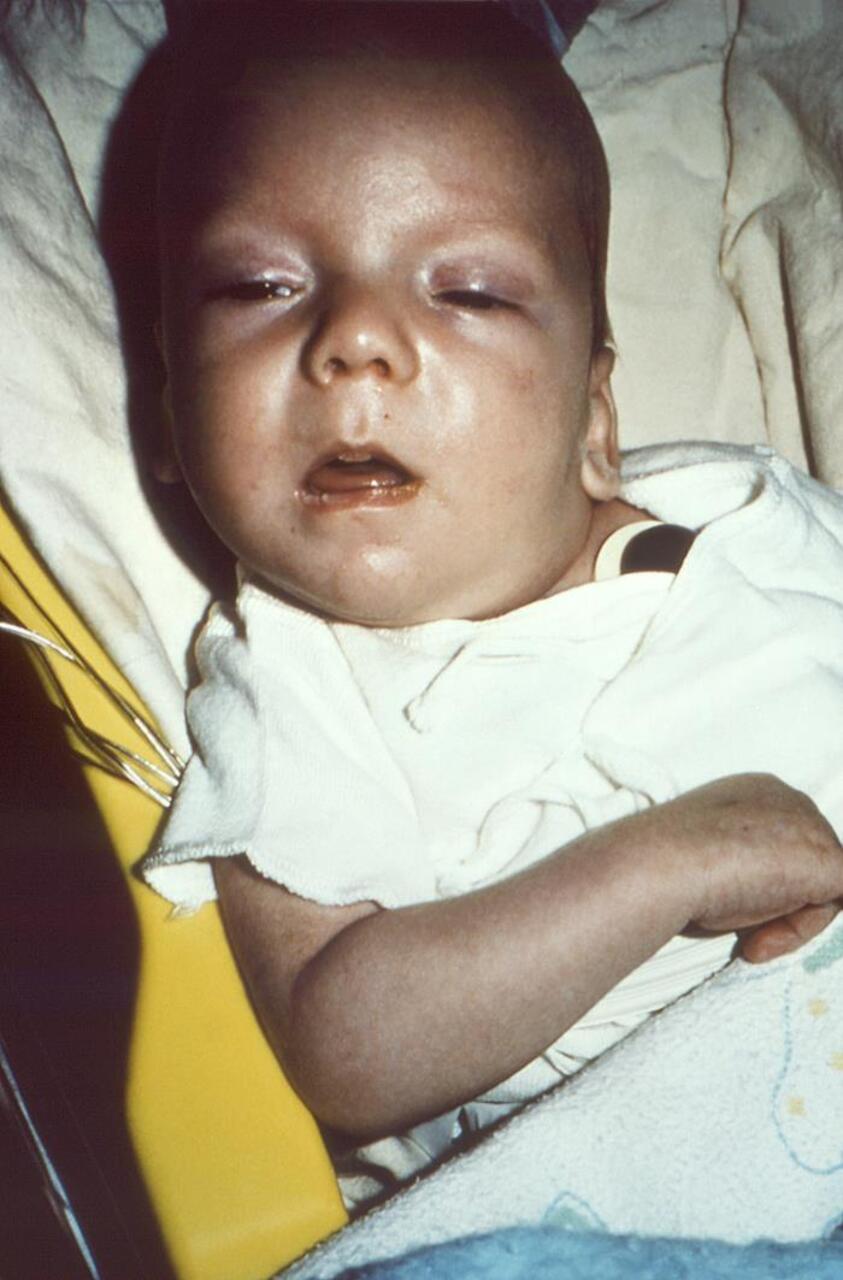
Infant botulism is a rare but potentially life-threatening illness that affects babies, typically those under 12 months old. It happens when spores of Clostridium botulinum enter an infant’s digestive system, grow in the intestines, and produce a dangerous nerve toxin. Because infants have immature gut microbiomes, they are more vulnerable than older children and adults.
The disease can develop gradually, which makes early symptoms easy to miss. Health authorities say warning signs can include constipation, poor feeding, weak crying, drooping eyelids, reduced muscle tone, trouble swallowing, and breathing difficulty. In serious cases, the toxin can interfere with muscles needed for breathing, turning a subtle illness into a medical emergency.
That is why the CDC’s warning is so direct. Parents are not being told to monitor the product while continuing to use it; they are being told to stop immediately. Public health agencies are treating the cases as a high-priority food safety event because even a small number of infant botulism cases signals a potentially severe contamination risk.
What parents should do if they have the formula at home

Parents who have Nara Organics formula are being told not to feed it to their babies under any circumstances. If a can has already been opened, the CDC recommends taking a photo, recording the lot number and use-by date, and keeping the container in a safe place away from any other food intended for the baby. Officials have advised labeling it clearly with a warning not to use it.
The reason for preserving the opened can is practical. If more illnesses are identified, investigators may need to test retained product to better understand the source and pattern of contamination. The CDC has said caregivers should watch for symptoms for at least a month after the last exposure; if no symptoms appear during that period, leftover formula can be discarded.
If a baby who consumed the formula shows any concerning symptoms, parents should seek immediate medical care rather than waiting to see whether the problem resolves. Infant botulism is treatable, but timing matters. Doctors may consult specialized treatment programs and public health authorities quickly when symptoms suggest toxin-related illness in a very young infant.
How the investigation and recall are unfolding

The FDA and CDC are investigating the outbreak with help from the California Department of Public Health, the state’s Infant Botulism Treatment and Prevention Program, and other local and state partners. Federal outbreak updates describe the illnesses as confirmed or suspected infant botulism cases connected to the recalled formula, with toxin type A infections reported among the infants under review.
Nara Organics has said all cans of its infant formula currently available in the U.S. are included in the voluntary recall. The company described baby safety as its top priority and said it is working with regulators to support the investigation into the root cause. The formula is manufactured in Europe but sold only in the United States, according to federal officials.
Retail distribution has widened the public attention around the case. Because the product was sold through Target as well as online, families across the country may now be checking their pantries. That broad retail footprint helps explain the strong federal messaging: even though only three illnesses have been identified so far, the number of households potentially exposed is much larger.
What this means for parents already under formula stress

Formula recalls hit families especially hard because infants depend on consistency. Switching products can be stressful, particularly for babies with sensitive stomachs, feeding difficulties, or limited brand tolerance. For many parents, the CDC warning lands in an already anxious environment shaped by years of shortages, recalls, and heightened awareness of infant feeding risks.
The FDA has tried to reassure families that this recall should not create nationwide shortage concerns because Nara Organics accounts for a very small share of the U.S. formula market. That distinction matters. A recall affecting a niche brand can still be frightening for individual households, but it is less likely to destabilize supply for the country as a whole.
Even so, pediatricians may see a wave of worried calls from parents whose babies seem well but were recently fed the formula. In those cases, clinicians will likely focus on symptom history, timing of exposure, and whether urgent evaluation is needed. Clear communication will be essential, because panic can spread faster than facts when infant health is involved.
The bigger lesson about infant food safety

This episode is a reminder that infant nutrition products occupy a uniquely sensitive place in the food system. Babies are biologically vulnerable, consume the same product repeatedly, and may not show severe illness until a problem has already advanced. That makes rapid detection, recall coordination, and public communication especially important when an investigation points to a formula product.
It also shows how public health decisions are often made before every scientific question is fully answered. Authorities do not need to wait for a perfect chain of proof to tell parents to stop using a product when the potential consequence is paralysis or respiratory failure in infants. In situations like this, precaution is not overreaction; it is the correct standard.
For parents, the immediate takeaway is simple: do not use Nara Organics Whole Milk Organic Powdered Infant Formula, monitor any exposed infant closely, and seek medical care promptly if symptoms appear. For regulators and manufacturers, the lasting test will be whether the investigation produces answers quickly enough to restore trust and prevent another family from facing the same scare.