

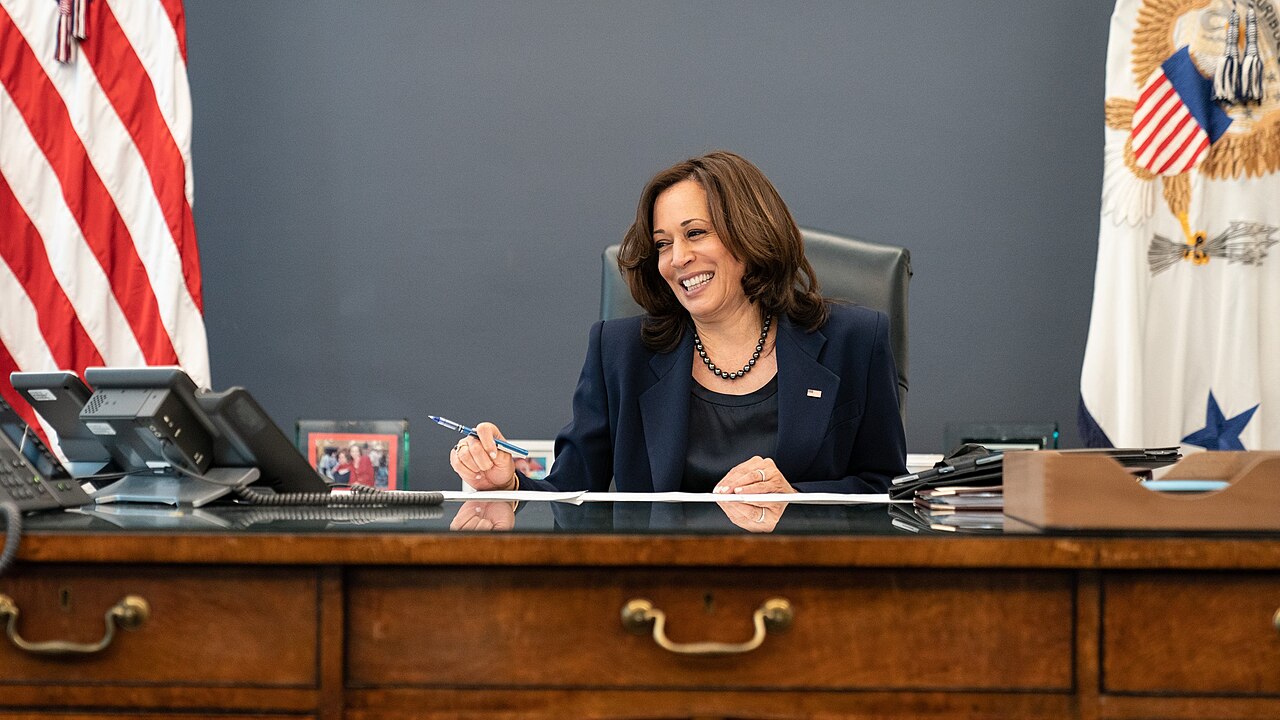
National Democratic fundraising remains under close scrutiny as the party tries to rebuild its donor base after the 2024 presidential race. That debate sharpened around a San Francisco fundraiser linked to former Vice President Kamala Harris after a report said one invitee answered with a profanity-laced rejection. The account, published October 23, 2025, has been cited alongside broader complaints from major donors about strategy, spending and the party’s path forward.
A donor rebuff at a Harris-linked fundraiser
The specific episode involved a Democratic National Committee effort to court major donors through a San Francisco-based fundraiser tied to Harris, according to The Wall Street Journal as described in a Fox News report published October 23, 2025. That report said most of the major donors contacted earlier in the year declined the invitation, and one replied with what it described as a “profanity-laced rejection.” Fox News, citing the Journal, also reported that the event ultimately found a donor host but raised less than organizers had hoped.
The scale of the broader fundraising problem was also quantified in the same report. Fox News, again attributing the figures to The Wall Street Journal, said the DNC had about $12 million in cash reserves at that point, compared with $86 million for the Republican National Committee. The article said some donors told the Journal they did not want to give until the party produced more substantive plans to win elections.
That account has circulated because it captured donor frustration in unusually blunt terms. The publicly available reporting does not identify the donor who sent the rejection, and the DNC had not provided a public response in the Fox News report beyond being contacted for comment. No public accounting in the cited reporting breaks out exactly how many invitees declined the event.
San Francisco matters in this story because Harris built her political career in California, and the reported fundraiser was described as San Francisco-based. For Democratic finance networks, California remains one of the party’s most important sources of high-dollar fundraising, which gives donor resistance there added significance beyond a single event. The reporting available publicly, however, does not list the California donors who declined or specify whether the refusals came mostly from Bay Area contributors or from donors elsewhere invited to a California event.
ABC News reported on June 8, 2026, that it spoke with more than 15 former donors, fundraisers, campaign aides, Biden White House staffers and current advisers about Harris and a possible 2028 comeback. Several of those sources described weak enthusiasm among some previous supporters, with one longtime Democratic donor saying they had not heard people say they wanted Harris to run and another fundraiser saying Harris had not maintained relationships with major donors.
At the same time, ABC also reported that not all Democratic fundraisers shared that view. Former Biden administration official Tom Nides told ABC that Harris could still raise significant grassroots money and that large donors would come aboard if they believed she could win. That split is important in California as much as nationally: what is confirmed is donor unease among some big contributors, while what remains unclear is how broad or durable that sentiment is across the full state donor network.
The reporting ties the rejection to more than personal dislike of a single candidate. Fox News, summarizing The Wall Street Journal’s account, said some donors remained angry over how money was spent in the 2024 presidential race, including what they viewed as excessive salaries for Washington consultants, and were frustrated that the party had not completed a public post-election review of what went wrong. Rachel Pritzker, chair of Third Way, told the Journal it was “shocking” how little reassessment party leadership had done.
ABC’s June 2026 reporting adds another layer of context around Harris specifically. It said Harris’ 2024 presidential campaign burned through more than $1 billion in 15 weeks, a pace that some fundraisers said discouraged large donors from giving major sums again. ABC also reported that some advisers and donors believed Democratic voters wanted a fresher face, while others said Harris still retained real strength with small-dollar contributors.
For readers trying to understand what this means, the available reporting points to a practical reality: Democratic fundraising, especially at the high-dollar level, is still shaped by unresolved arguments about 2024 and by uncertainty over the party’s next standard-bearers. What has been documented is one sharply worded donor rejection, a weaker-than-hoped fundraising outcome, and continuing debate over Harris’ standing with major contributors. What no public report has yet provided is a full donor list, a precise decline count, or evidence that one event alone defines the party’s broader 2026 fundraising picture.