

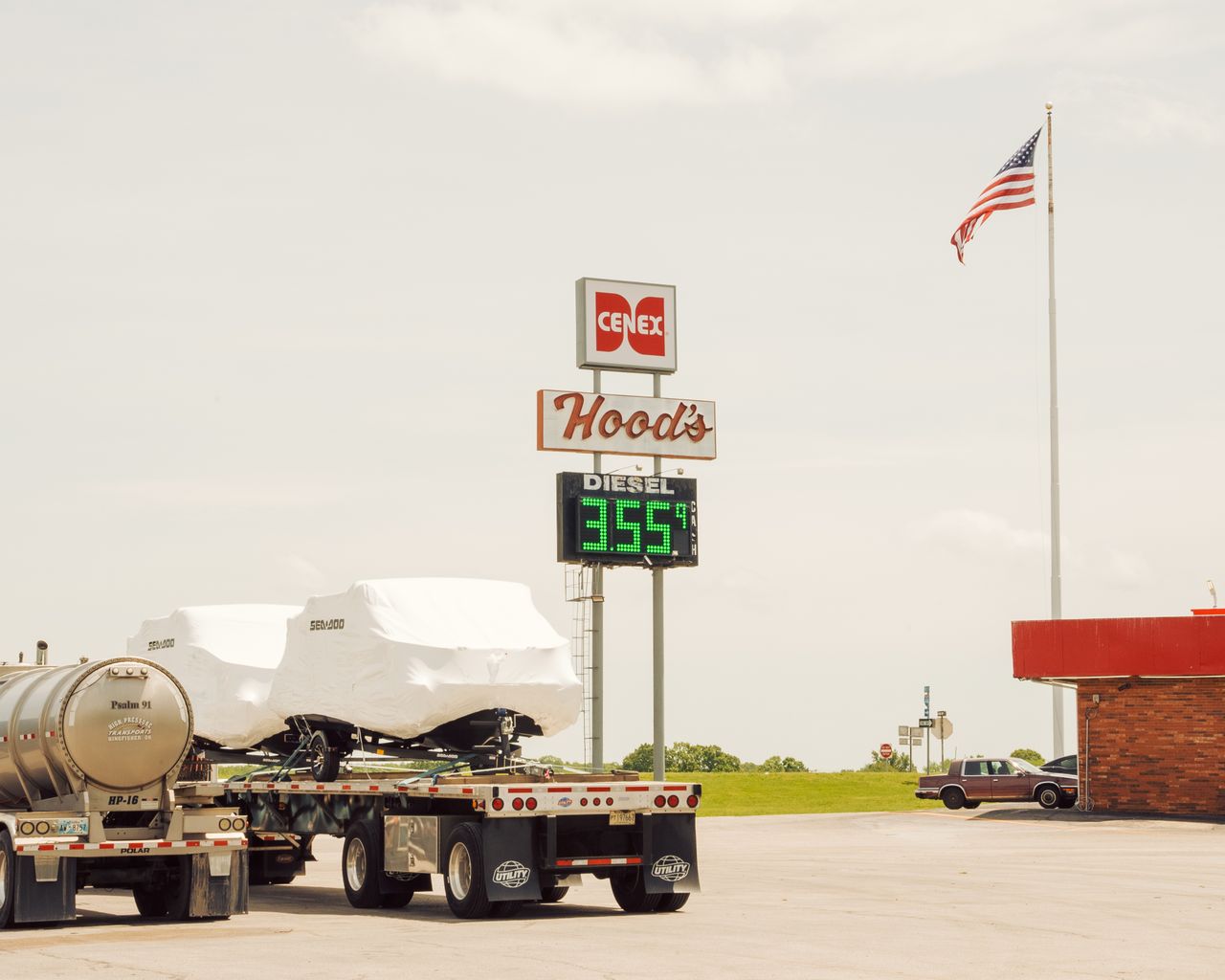
Diesel prices in the U.S. are nearing record territory as fuel markets remain tight during the Iran war. The pressure is landing at the same time school districts are restarting daily bus routes for the 2026-27 academic year, when transportation departments typically lock in some of their heaviest fuel use. For districts that rely on diesel-powered fleets, the timing is raising operating costs before the school year is fully underway.
Diesel prices moved sharply higher in the latest federal reading
The U.S. Energy Information Administration reported on August 25 that the national average retail price for on-highway diesel rose to $5.652 a gallon for the week of August 24. That was up nearly 20 cents from the prior week’s $5.454 and almost $1.95 above the same week a year earlier, according to the agency’s weekly Gasoline and Diesel Fuel Update. The federal survey also showed diesel topping $6.40 a gallon on the West Coast and reaching $7.04 a gallon in California.
AAA’s fuel reporting around the same period showed the national diesel average at about $5.62 a gallon, reinforcing that prices were running near the highest levels seen since 2022. AAA Oregon/Idaho said the weekly national diesel average had risen 15 cents and was only about 20 cents below the all-time record set in June 2022. That gap matters because diesel is a core operating cost not only for freight carriers and contractors, but also for public-sector fleets that move students every school day.
For school systems, the scale is significant. Reuters reported in May, citing the American School Bus Council, that U.S. school bus operators consume more than 800 million gallons of diesel a year. Reuters also cited an analysis by fleet technology company Samsara estimating that a jump in diesel prices to about $5.52 a gallon would add roughly $1.8 billion to annual school bus operating costs.
The impact is national, but it is most immediate in local transportation budgets that were set months before August fuel prices accelerated. Education Week reported in May that Yakima School District in Washington paid about $6.30 a gallon on a late-April diesel order, compared with about $3.84 a gallon during the prior school year. District leaders told the publication Yakima runs about 60 school buses each day, making the higher fuel bill difficult to avoid as students return.
Reuters separately reported that Yakima officials estimated that paying diesel prices at that level would add about $213,000 a year to the cost of operating those 60 buses. Reuters also reported that Waco Independent School District in Texas, which operates more than 80 buses, said its diesel price was up 84% year over year in early April. Those examples show how the cost increase differs by contract structure, geography and purchasing timing, and no national database provides a comprehensive district-by-district list of current diesel exposure.
What is confirmed is that the school transportation sector remains heavily tied to diesel. Industry and advocacy groups regularly put the U.S. school bus fleet at roughly 480,000 vehicles, with about 90% still powered by diesel. What is not yet known is how many districts will need formal midyear transportation budget adjustments if current fuel prices persist into the fall.
The current price surge is tied to broader oil-market disruption, and news coverage has consistently linked it to the Iran war’s effect on energy flows and refining margins. Reuters reported in May that diesel prices had climbed 67% since December as the conflict strained fuel supplies and pushed up costs for major fleet operators. Associated Press reported earlier in 2026 that diesel had already moved above $5 a gallon as the war dragged on, after averaging about $3.76 before the conflict began.
Diesel is especially sensitive because it is the fuel used across trucking, shipping, agriculture, construction and school transportation at the same time. That broad demand can keep prices elevated even when gasoline moves differently. EIA’s latest regional data shows how uneven that burden is, with West Coast and California prices running far above the national average, while Gulf Coast prices remain lower but still well above year-ago levels.
For residents, the practical effect is less about retail commuting and more about public-service budgets. Districts have told Reuters and Education Week they are responding with route consolidation, anti-idling policies, delayed maintenance spending and changes in fuel purchasing. Unless fuel costs ease, school systems are likely to keep looking for savings elsewhere while buses continue to run on schedules set for the new school year.